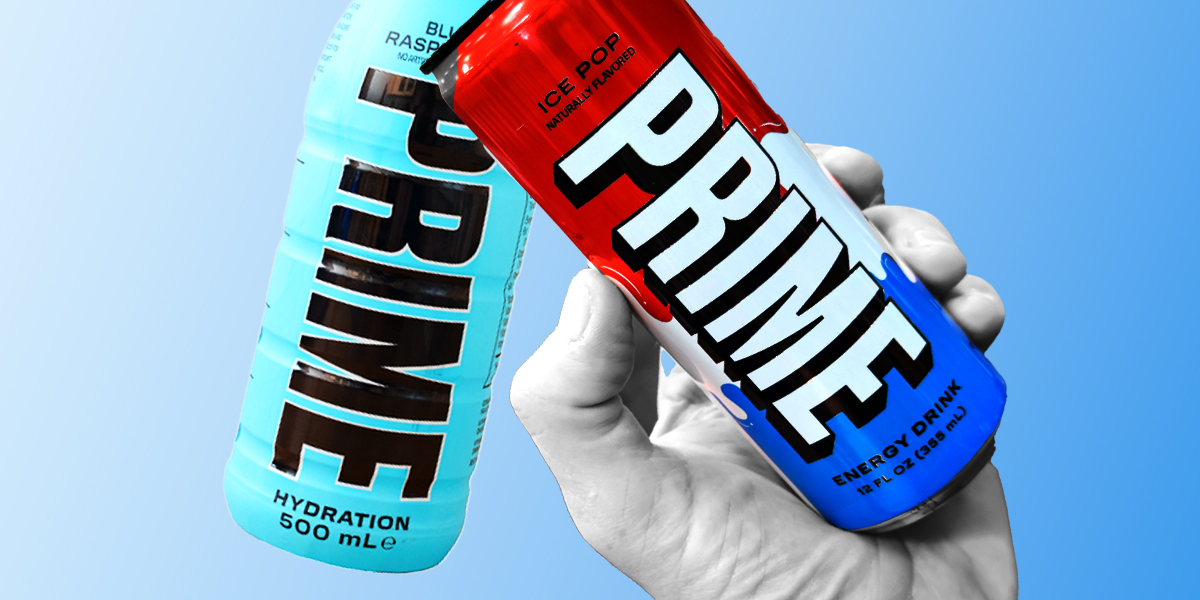
Prime drinks have taken social media, store shelves, and Gen Z by storm. Created by YouTubers Logan Paul and KSI, Prime reps flashy packaging, dozens of flavors, and viral marketing. But behind the influencer hype, are these drinks actually good for you?
We dive into the ingredients of Prime Hydration and Prime Energy, evaluate the benefits, and the controversies. Whether you are just looking for an electrolyte drink or want to learn more about the hype, keep reading to learn the science-backed facts.
-
Prime Hydration is designed for rehydration and contains BCAAs and electrolytes.
-
Prime Energy contains a high dose of caffeine (200 mg) and some electrolytes.
-
While okay in moderation, Prime is not as healthy or superior as marketing claims.
Prime Energy vs. Prime Hydration
Prime drinks have two main lines: Energy and Hydration. To make things easier, let’s compare them side by side.
| Prime Energy | Prime Hydration | |
| Primary purpose | Energy and electrolytes | Hydration and electrolytes |
| Key ingredients | 200 mg caffeine 355 mg electrolytes Vitamins B6 and B12 Zero sugar | 10% coconut water BCAAs Vitamins B6 and B12 834 mg electrolytes Antioxidants Zero caffeine 2 g of sugar |
| Target audience | For ages 18+ | Post workout General hydration Hangover Hot climates |
| Flavors | Cherry Limeade Dripsicle Dream Pop Original | Collector Series Sournova Pluma Freeze Ice Pop Cherry Freeze Berry Freeze Strawberry Banana UFC IShowSpeed Meta Moon X Glowberry Strawberry Watermelon Blue Raspberry Leamon Lime Tropical Punch Lemonade |
Other Prime products include rehydration sticks, which are zero sugar and zero caffeine, contain B vitamins, and 1,085 mg of electrolytes, and Ice Hydration, which has a similar formula to the original hydration drink.
In essence, Prime Energy is similar in formulation to most energy drinks with added electrolytes. Prime Hydration is a generic electrolyte drink with a drop of coconut water and a variety of flavors. It may be better than some, as it has a relatively low sugar count. Honestly, neither formula is groundbreaking, but has been hyped in the media due to the massive built-in audience of KSI and Logan Paul, constant promotions, aesthetic appeal, and mostly by being a trend.
The "good for you" breakdown: analyzing the benefits
Our goal is to educate our readers with science-backed information and facts, so I wanted to look behind the hype and marketing claims and analyze whether Prime has any benefits.
- Electrolyte replenishment. If you have been sweating a lot, lost fluid through vomiting or diarrhea, traveled by plane, or drank alcohol, an electrolyte drink can help you rehydrate quicker and restore lost electrolytes.
- Hydrate drinks are moderate in sodium and low in sugar. They only have 2 g of added sugar and 30 mg of sodium, which is lower compared to some other electrolyte drinks. This may be better for daily hydration, as we get sodium and sugar from food, too.
- Low calorie. The energy drinks have 15 calories, and Hydrate has 20 calories per serving. This adds very few extra calories from drinks, unless multiple drinks a day are consumed.
- May support exercise recovery. Hydrate contains both electrolytes and branched-chain amino acids (BCAAs). This may help replenish electrolytes lost through sweating and rehydrate quicker. BCCAs are building blocks for proteins, essential for muscle recovery and repair.
- May improve focus and performance. Caffeine in Energy drinks can boost alertness, cognition, and athletic performance, as long as it is not used to compensate for a lack of sleep, is not abused, and is tolerated well.
- Contains coconut water. Inclusion of coconut water, nature’s natural electrolyte drink, may be what allows the drinks to have relatively low added sugar.
- Soda or alcohol alternative. If you enjoy Prime's flavors, it may offer a good alternative to sugary sodas or even alcoholic beverages.
Looking at the ingredients, Prime's formula has fewer calories and sugar than non-sugar-free versions of similar products.
Potential drawbacks and risks
Despite the hype, Prime has some serious drawbacks, too.
- Overpriced. My main issue with Prime is that it is ridiculously overpriced compared to similar products on the market, often double or even triple the price.
- Additives. The drinks are pretty artificial, and some people may be sensitive to the added colors, flavors, or sweeteners.
- It's unnecessary for most. The majority of people do not need electrolytes or energy drinks and can do just fine with plain water and a cup of coffee.
- Caffeine content. People who are sensitive to caffeine may find 200 mg in one serving too much, resulting in jitters, anxiety, or even heart palpitations. Furthermore, the recommended daily intake is no more than 400 mg, so a single drink contains 50% of that.
- High vitamin content. Both drinks contain vitamins B6 and B12, significantly more than the daily recommended value.
- Contains sucralose. Research is still ongoing on sucralose, but there are some studies showing that it may disrupt the gut microbiome, promote the growth of bad bacteria, and reduce the good bacteria.
If consumed occasionally, Prime drinks can be a good alternative to other sugary drinks. However, frequent or even daily consumption can take a toll on both your wallet and your health. You could overconsume electrolytes, caffeine, and artificial ingredients. Consuming such drinks daily can quickly become a hard-to-break habit.
When it comes to flavors, there are two camps. Some people love them, and some hate them. I had tried a few sips from my friends when they bought the drink, and I can say we collectively hated all the ones we tried. I found them too sweet and weird, and not to my palate. However, this is highly individual, so I am not ranking this point. They definitely released more variety, but I cannot justify paying this much for a drink to try them.
Who should (and shouldn't) drink Prime?
There are some groups who may benefit from occasionally supplementing with Prime:
- Athletes who need electrolyte replenishment with some carbs
- People dehydrated from traveling
- People who sweat excessively due to the climate, work, or medical conditions
- Individuals who need a temporary energy boost and tolerate caffeine well
The following groups should avoid consumption:
- Children
- Individuals sensitive to caffeine
- People with medical conditions
- People who do not need to replenish electrolytes
How to use Prime wisely?
Prime is not the devil and can be beneficial when used wisely. Here are some tips to optimize consumption.
- Moderation is key. Drink Prime when needed or as an occasional treat rather than a daily habit. Also, stick to one drink a day.
- Timing. Prime energy should be consumed in the first part of the day to boost performance without disrupting sleep. Prime Hydration should be consumed during or after exercise or throughout the day if dehydrated.
- Compare to alternatives. Read the labels and remember that other electrolyte drinks, coconut water, homemade electrolytes, and other energy drinks are available.
I have also heard that Prime is best ice cold, so be sure to refrigerate it to get the most enjoyable experience.
Controversies and lawsuits
Prime has faced some serious controversies and legal scrutiny. It is hard to discern legitimate vs. false accusations, and information keeps changing, but here are the main issues that users and authorities find with Prime.
- Caffeine content. Health Canada has issued warnings against several energy drinks, including Prime Energy, due to their 200 mg of caffeine per 12-oz serving, which exceeds the recommendations for kids and adolescents. This has led to public discussions and several retailers voluntarily withdrawing or restricting sales to individuals over a certain age.
- Labeling issues. Health Canada has also recalled several Prime Hydration flavors due to labeling issues and over-fortification with vitamins.
- Marketing practices. Some critics and even legal observers have criticized the extensive use of influencer marketing and the status of Prime’s co-founders, KSI and Logan Paul, raising questions about the transparency of product reviews, especially for more impressionable consumers.
- Deceptive marketing and health claims. KSI and Logan Paul's extensive reach among younger audiences has been scrutinized for the inappropriate marketing of energy drinks. Also, claims like boost hydration, zero sugar, and so on may be seen as equal to healthy by less informed consumers.
- Ingredient safety concerns. Even on the official page, the ingredients are not disclosed clearly anywhere, requiring you to zoom into a product picture. This has led many to believe the product may have high, hence undisclosed, levels of harmful ingredients.
Closing remarks
All in all, Prime Hydration and Energy have pros and cons, being neither God-sent nor evil. Replenishing electrolytes with Hydrate can be very useful after sweating profusely, when sick, traveling, or having a hangover. The product also has less added sugar than some competitors. Energy should be used in moderation and only by those who can tolerate a high amount of caffeine, but not make it a habit.
That being said, Prime is one of the more expensive products on the market and is definitely not needed by most people. Its popularity stems from a loyal audience buying products from their favorite creators rather than truly being the best product on the market. Frequent consumption of such drinks can add up to significant expenses and unnecessary consumption of artificial additives, electrolytes, and caffeine.
Regarding controversies on the caffeine content and other ingredients, unfortunately, it is nothing new. Most energy drinks have been banned for people under 18, and the research on sweeteners and other artificial ingredients is still ongoing and contradictory. I believe Prime Hydration can be consumed occasionally, but should not replace basic hydration with plain water. Prime energy should only be consumed by adults, those not sensitive to caffeine, and in moderation.
FAQ
How bad is Prime for you?
Prime Hydration is generally considered safe in moderation due to its artificial additives and sweeteners. Prime Energy has a very high caffeine content and should be consumed only by adults who tolerate caffeine and have not already consumed a lot of it that day, as it may cause sleep disturbances, anxiety, jitters, digestive issues, or even heart palpitations.
Can athletes use Prime drinks?
Prime Hydration can help replenish electrolytes, but it has fewer carbs and sodium than other sports drinks. Prime Energy is not suitable for rehydration due to its high caffeine content, which may cause dehydration, but it may give a performance boost prior to exercise.
Are Prime drinks approved by health authorities?
Prime drinks comply with food and beverage regulations in the countries where they're sold, but several authorities have called for stricter guidelines on ingredients and marketing to minors.
7 resources
- StatPearls. Biochemistry, essential amino acids.
- Neuroscience & Biobehavioural Reviews. A review of caffeine’s effects on cognitive, physical, and occupational performance.
- Journal of the International Society of Sports Nutrition. International society of sports nutrition position stand: caffeine and exercise performance.
- FDA. Spilling the beans: how much caffeine is too much?
- Life. Sucralose: from sweet success to metabolic controversies—unraveling the global health implications of a pervasive non-caloric artificial sweetener.
- Government of Canada. Various brands of caffeinated energy drinks may be unsafe due to caffeine content and labelling issues.
- Government of Canada. Prime brand Hydration Drink recalled due to over-fortification of vitamins and labelling issues.






Your email will not be published. All fields are required.