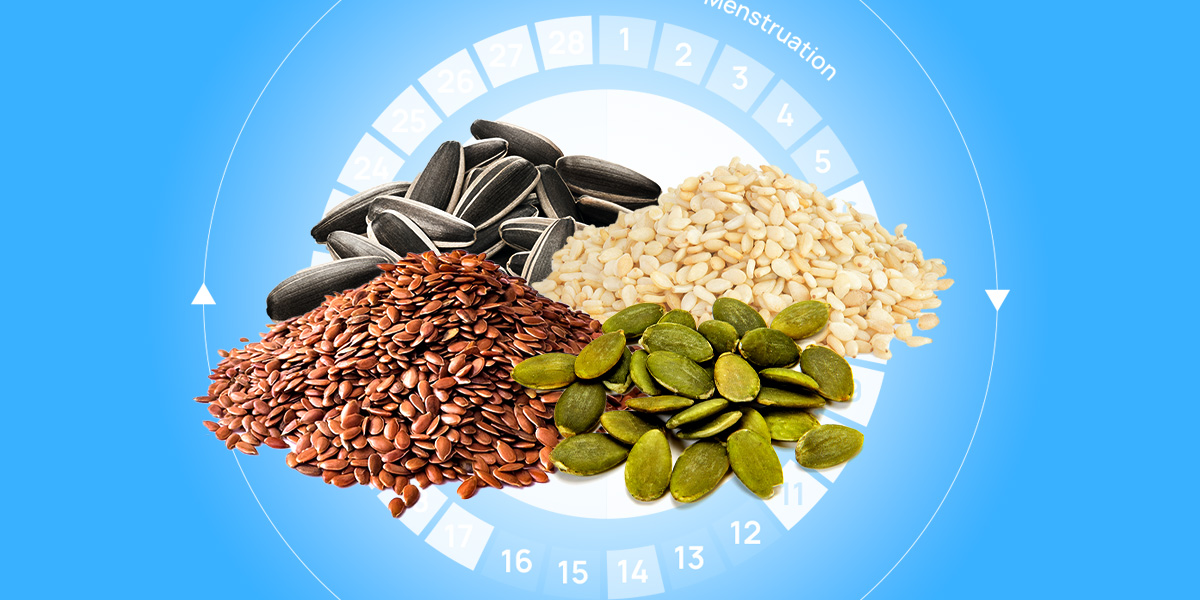
There is little evidence that seed cycling – eating different types of seeds at specific stages of the menstrual cycle – is an effective way to balance hormones and manage conditions like polycystic ovary syndrome, or PCOS.
There are different conditions and periods in a woman's life when hormones may cause health issues. For example, most women of reproductive age experience at least some form of premenstrual discomfort, with 6% having symptoms so severe that they interfere with daily life.
Between five and six million American women have PCOS, making it the most common hormonal disorder among women of reproductive age. Another million women in the U.S. experience menopause each year.
As hormone-related disorders and menopause may cause debilitating symptoms, women affected are often targeted by those offering unapproved 'natural' treatments. Is seed cycling one of them?
-
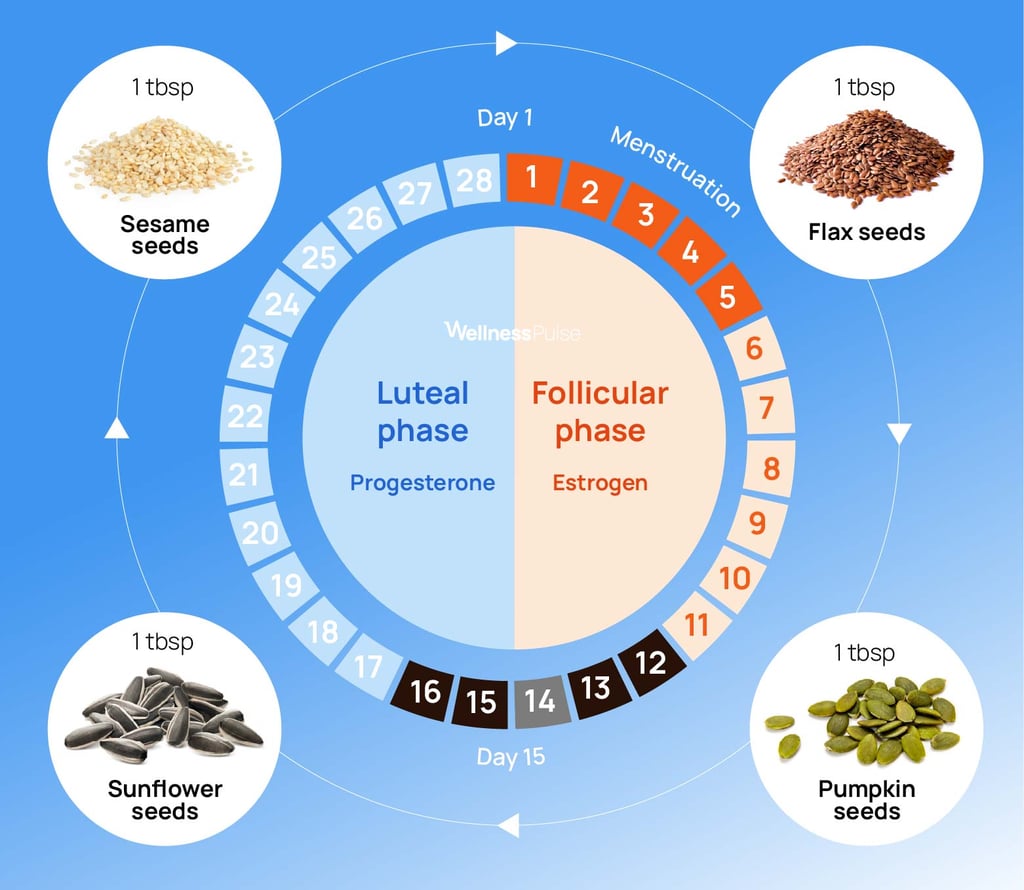
Seed cycling refers to eating pumpkin and flaxseeds during the first half of the menstrual cycle, and sesame and sunflower seeds during the second half.
-
The method is aimed at addressing hormonal imbalances and managing conditions like PCOS, menopause, PMS, and infertility, among others.
-
There is little evidence to support seed cycling for managing these conditions, and studies showing the potential benefits of supplementation with individual seeds are small.
-
The seeds are high in fiber, which, when consumed in excess, may raise the risk of absent ovulation.
-
Experts say a diet rich in fiber, omega-3 fatty acids, vitamins, and minerals may positively impact hormonal health, but isn't a sole solution to hormone-based conditions.
What is seed cycling?
Seed cycling refers to eating different types of seeds at specific times of the menstrual cycle, intending to balance the main sex hormones estrogen and progesterone.
According to social media, it aims to help reduce premenstrual syndrome (PMS) symptoms, stimulate menstruation if it is absent, help with PCOS, boost fertility, improve skin and hair, uplift mood, and reduce acne, among other proposed benefits.
The method involves eating a tablespoon of flaxseed and a tablespoon of pumpkin seeds during the first 14 days of the menstrual cycle, the follicular phase. This is when estrogen levels increase and eventually peak, and progesterone levels are low.
A tablespoon of sesame and a tablespoon of sunflower seeds are consumed during the second half of the cycle, at the luteal phase, which occurs between days 15 and 28. During this phase, progesterone levels rise, while estrogen levels fluctuate.
Is seed cycling legit?
Let's examine the impact that seed cycling and individual seed consumption may have on hormone regulation, PCOS, menopause symptoms, and fertility.
Seed cycling for hormones
Flaxseed is rich in phytoestrogens, plant-derived compounds that can mimic the effects of estrogen in the body, suggesting a potential mechanism behind seed cycling.
However, a 2023 systematic review concluded that flaxseed supplementation had no significant effect on sex hormones in adults. The doses tested in clinical trials ranged between 1,000 mg and 40,000 mg a day. Meanwhile, a tablespoon of flaxseed, as proposed by seed cycling practitioners, contains about 7,000 mg.
Seed cycling for PCOS
Alyssa Pacheco, RD, at the PCOS Nutritionist Alyssa, says most of the hype around seed cycling is anecdotal. However, a small recent study found that seed cycling paired with a portion control diet improved the levels of hormones follicle-stimulating hormone (FSH) and luteinizing hormone (LH) in women with PCOS. Such findings, while promising, are still limited, she says.
Weight loss, including through portion control, can improve PCOS. So, it is unclear whether hormonal changes observed can be attributed to weight loss or to seed cycling.
A study from India details the case of a 29-year-old woman with PCOS experiencing irregular menstrual cycle and fertility issues, among other symptoms.
She was put on a treatment plan that included supplementation with myo-inositol and folic acid and 250 mg metformin, along with seed cycling as a dietary intervention for six months. The treatment resulted in improved menstrual cycle regularity, reduced body mass index (BMI), and normalized hormone levels, eventually leading to pregnancy achieved with the help of fertility treatments.
However, Anne Hussain, ND, tells WellnessPulse that the benefits observed in the study come from the intervention with inositol, a nutrient in the vitamin B complex, whose supplementation is better supported by science. A 2017 meta-analysis of clinical trials concluded that myo-inositol may improve the metabolic profile of women with PCOS.
Furthermore, metformin, a type 2 diabetes medication, is an evidence-based option for PCOS, especially in those with insulin resistance. Most importantly, the patient conceived using in vitro fertilization (IVF), a widely used fertility treatment, raising questions about the effectiveness of interventions like seed cycling.
Seed cycling for the effects of menopause
A 2024 study involved rats who had menopause induced by having their ovaries removed and were given pumpkin seed extract. The supplementation was associated with decreased body and fat weight, reduced cardiac risk, and lowered oxidative stress and inflammation.
The authors concluded that pumpkin seed extract may have 'ameliorative effects' on menopause-related diseases.
Although animal studies are essential for supplement and drug research, their findings may not necessarily translate into humans; therefore, more research is needed to draw conclusions about the benefits of pumpkin seeds on the effects of menopause and its symptoms.
A small human study from 2006 that included 26 participants associated consuming 50 g of sesame seed powder daily for five weeks with improved blood lipid levels and sex hormone status.
However, the study was small in size, so its findings may not reflect the effects sesame seeds would have on the broader population.
Seed cycling for fertility
Zinc is needed for normal fertility and healthy pregnancy outcomes, so it may be assumed that consuming seeds high in this mineral may boost fertility. A serving of pumpkin seeds alone contains 6.6 mg of zinc, almost a half of the daily recommended intake. However, there aren't clinical trials showing that zinc supplementation increases fertility in women.
Flaxseed oil for fertility was tested in over 200 women with decreased ovarian reserve undergoing assisted reproductive technology (ART). Compared to the placebo group, those who consumed flaxseed oil saw improvements in ovarian response and the quality of oocytes and embryos, thereby increasing the fertilization rate.
Again, the study is small, and the optimal time and duration of flaxseed oil supplementation are unclear. Moreover, it didn't assess the effect of lifestyle factors that may have put women at higher risk of infertility. Nor did the study track the pregnancy outcomes related to live birth, which is the final outcome of IVF treatment.
The benefits of eating more seeds
Seed cycling is unlikely to fix hormonal imbalances and related conditions, but adding seeds to your diet may have other health benefits.
Hussain says consuming plant-based fats like the ones from seeds has been shown to be beneficial for overall health, including hormonal and heart health, especially when they replace saturated fats from butter and red meat.
Moreover, flaxseed is rich in fiber, a carbohydrate that supports heart and gut health. A tablespoon of flaxseed contains about 3 g of fiber, so adding it to usual meals can contribute to the recommended fiber intake of 28 g per day in a standard 2,000 kcal diet.
Pumpkin seeds are a great source of magnesium, a mineral essential for healthy muscles, nerves, bones, and blood sugar levels. They also contain fiber and unsaturated fats, the 'healthy' fats associated with lower cholesterol levels and reduced inflammation.
Sesame seeds, often sprinkled on baked goods or added to stir-fries, are high in protein, unsaturated fats, and minerals such as iron and calcium. Meanwhile, sunflower seeds provide vitamin E, selenium, copper, zinc, folate, and iron.
Seed cycling side effects
Because seed cycling isn't extensively studied, its potential side effects are largely unknown.
However, as the seeds are high in fiber, introducing them suddenly and in bulk may lead to gas, bloating, and cramping. People with inflammatory bowel diseases like Crohn's disease and ulcerative colitis may want to speak with their healthcare provider before increasing their fiber intake.
While adequate fiber intake helps with fertility, consuming it in excess has been associated with an increased risk of anovulation, which is when an egg is not released from the ovary during a menstrual cycle.
Although seed allergies are rare, a reaction is possible — for example, between 0.1% and 0.24% of the U.S. population is affected by sesame allergy.
Hormones and nutrition
Nutrition may have a large effect on hormones related to the menstrual cycle, says Kyle Graham, MD, a board-certified OBGYN at Pediatrix Medical Group. The menstrual cycle requires a healthy, well-balanced diet to function properly, with foods rich in protein and iron being particularly important.
Anecdotally, many women can attest to various foods that worsen period cramps, premenstrual syndrome, fatigue, and various other symptoms related to menses. Avoiding the foods that make symptoms worse – processed foods, synthetic additives, and alcohol – is imperative to a healthy cycle.
Kyle Graham, MD
Pacheco says that PCOS is linked with underlying insulin resistance, ultimately leading to high androgens, such as high testosterone levels, which play a role in many of the unpleasant PCOS symptoms like acne and hirsutism.
Eating whole grains, fruits, vegetables, beans, and legumes can help keep blood sugar levels stable and improve insulin sensitivity.
"Adding protein and healthy fats to meals with complex carbohydrates can create an even better blood sugar response," Pacheco tells WellnessPulse.
Because PCOS is linked to chronic inflammation, Pacheco says a diet high in ultra-processed foods, refined carbohydrates, and added sugars can promote more inflammation, leading to more symptoms.
Adequate amounts of fiber, omega-3 fatty acids, selenium, vitamin D, and zinc also play important roles in hormone health. However, dietary changes alone may not be a solution for many hormone-related conditions.
Nutrition helps lay the foundation of health, but if you have a hormone-based condition, you'll likely need other support and interventions to help you manage it.
Anne Hussain, ND
The verdict
There's no strong evidence to support seed cycling for balancing hormones, managing conditions like PCOS and PMS, and alleviating menopausal symptoms. However, adding in more seeds to your diet can provide the body with essential nutrients and minerals, positively impacting the overall health.
17 resources
- Food Science & Nutrition. Effectiveness of combined seeds (pumpkin, sunflower, sesame, flaxseed): As adjacent therapy to treat polycystic ovary syndrome in females.
- Stat Pearls. Premenstrual dysphoric disorder.
- American Psychological Association. Why are some people more susceptible to severe PMS? Psychologists seek answers.
- Endocrine Society. Polycystic ovary syndrome.
- National Institute on Aging. Research explores the impact of menopause on women’s health and aging.
- Frontiers in Nutrition. The effect of flaxseed supplementation on sex hormone profile in adults: a systematic review and meta-analysis.
- Journal of Pharmacy & BioAllied Sciences. Seed cycling and hormonal balance: A case study of successful fertility intervention in polycystic ovarian syndrome.
- Endocrine Connections. Myo-inositol effects in women with PCOS: a meta-analysis of randomized controlled trials.
- Antioxidants. Evaluation of antioxidant effects of pumpkin (Cucurbita pepo L.) seed extract on aging- and menopause-related diseases using Saos-2 Cells and ovariectomized rats.
- The Journal of Nutrition. Sesame ingestion affects sex hormones, antioxidant status, and blood lipids in postmenopausal women.
- American Heart Association. Pumpkin seeds pack a healthy punch.
- Biology of Reproduction. Role of zinc in female reproduction.
- Frontiers in Endocrinology. Effects of flaxseed oil supplementation on metaphase II oocyte rates in IVF cycles with decreased ovarian reserve: a randomized controlled trial.
- Nutrients. Sesame (Sesamum indicum L.): A comprehensive review of nutritional value, phytochemical composition, health benefits, development of food, and industrial applications.
- Chemistry Central Journal. A review of phytochemistry, metabolite changes, and medicinal uses of the common sunflower seed and sprouts (Helianthus annuus L.).
- Journal of Food Allergy. A practical focus on sesame allergy and a brief review of other seed allergies.
- Nutrients. The influence of metabolic factors and diet on fertility.



Your email will not be published. All fields are required.