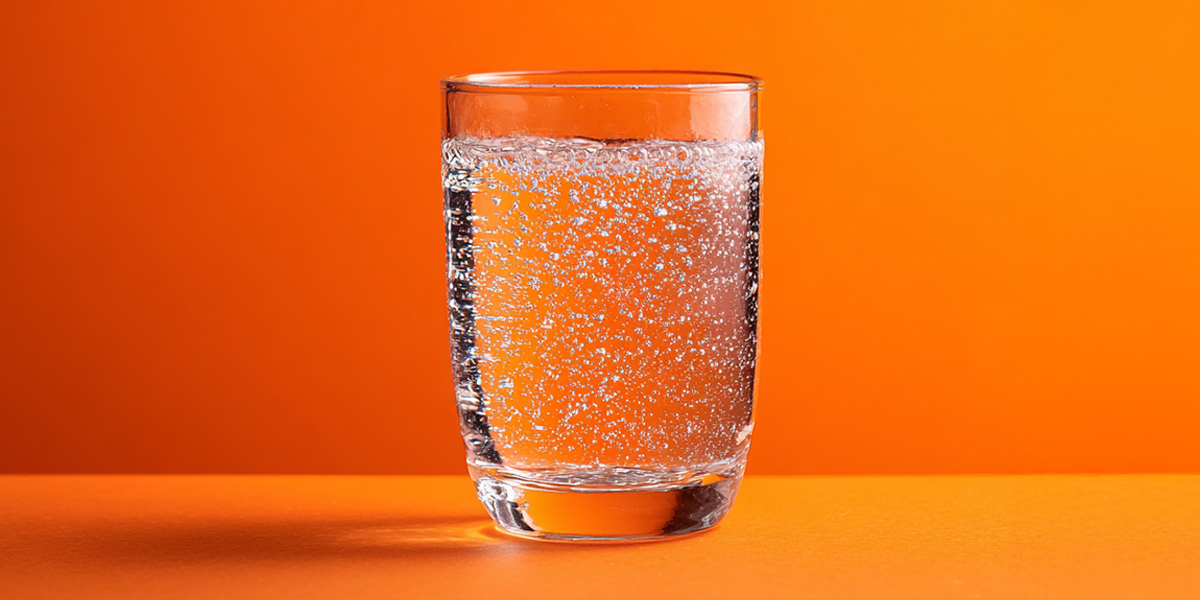
Sparkling water has become a popular choice for those looking to cut back on sugary drinks without giving up the fizziness of carbonation. But alongside its rising popularity, more people started asking questions about whether such water is bad for the teeth, bones, or if it somehow influences digestion.
As with any other common drink, sparkling water is not made equal and highly depends on the ingredients. While it's definitely contributing toward daily hydration support, in this article, let’s explore what scientific information is available in terms of its potential impact on teeth, bones, and overall digestion.
-
Plain sparkling water has a mild acidity, which may impact tooth enamel; however, only in certain cases and upon frequent consumption. The actual impact on enamel erosion may not be as significant as that from other carbonated drinks.
-
While cola drinks were associated in some research with potentially negatively affecting bone mineral density upon frequent consumption, such effects are not found in other carbonated drinks, including sparkling water.
-
Sparkling water may ease mild indigestion symptoms for some people, but may also increase mild digestive discomfort for others.
What is sparkling water?
Sparkling water is simply water that contains dissolved carbon dioxide gas, either naturally or artificially added. This process, called carbonation, gives the drink its effervescence.
The most common sparkling water types include seltzer water, which is plain carbonated water with no minerals or additives, club soda that tends to have some minerals added, sparkling mineral water, which is naturally carbonated, mineral-rich water from springs, and flavored sparkling water, which usually has natural or artificial flavors and sometimes sweeteners added to it.

Is sparkling water harmful to teeth?
Water’s carbonation results in the formation of carbonic acid, which is a weak acid that slightly lowers the water’s pH.
Due to this, one of the most common concerns I hear is whether the mild acidity of carbonated water can contribute to the erosion of tooth enamel.
While it’s true that sparkling water could be considered slightly more ‘acidic’ than regular water, the acidity of such water is much lower compared to drinks like sodas or other sweetened beverages.
Some studies examine how sparkling water, among other drinks, may impact tooth enamel. One systematic review explores the potential erosive impact of acidic ‘healthy’ beverages on dental enamel.
The study concludes that all drinks, including fruit juices, smoothies, vitamin waters, and carbonated waters, may have an erosive impact on tooth enamel in lab studies. However, it was strongly noted that the actual impact may depend on behavioral factors like consumption frequency, method (e.g., if straws are used or not), and overall dental hygiene.
In his YouTube video, MD Ken Berry says, “One of the most common myths surrounding carbonated water is that it may cause tooth decay. However, there is no strong evidence in the literature whatsoever that may suggest drinking carbonated water is bad for your teeth.”
Another study highlights that carbonated water's erosive impact is much lower than that of carbonated drinks like Sprite and Coca-Cola.
According to the American Dental Association (ADA), while carbonation does contribute to acidity to some extent, the absence of sugar is crucial. Plain sparkling water should not pose potential risks to dental health.
The ADA also elaborates that sparkling water may be better for your teeth than sugary drinks. The few aspects that the ADA notes are that sparkling water should be enjoyed with a meal and not used as a replacement for still water, as it may expose teeth to continuous acidity. Additionally, the ADA advises caution with citrus-flavored and sugar-sweetened sparkling waters, as regular long-term consumption may negatively affect dental health.
What about the recent social media trend with sparkling water?
Recently, more and more suggestions have come from social media platforms about combining sparkling water with balsamic vinegar as a ‘healthier’ alternative to various sodas.
The ADA comments that while balsamic vinegar can be used as a dressing for a meal, it may not be the best option for teeth, as this combination has two products with higher acidity. The ADA also highlights that the more acidic the drink, the greater the overall risk for erosion. However, this only applies when we talk about frequent consumption.
If you enjoy carbonated beverages, here are some tips on minimizing contact with your teeth:
- Use a straw with all of your carbonated beverages
- Don’t sip all day — limit the exposure frequency
- Rinse the mouth with plain water after drinking carbonated beverages
What about sparkling water and bone health?
One popular opinion that floats around on the internet is that sparkling water may leach calcium from bones, increasing the risk of osteoporosis.
This myth stems from an observational study that assessed that large amounts of cola may contribute to lowering bone mineral density.
It is suggested that cola may contain phosphoric acid, which may interfere with calcium absorption. However, it’s important to note that many factors may impact bone mineral density, thus, blaming soft drinks as a standalone reason may not be entirely correct.
However, when it comes to sparkling water and other carbonated beverages, studies suggest that there are no associations between non-cola drinks and bone fractures.
Another study proposes that habitual intake of carbonated drinks with added sugars and caffeine may be associated with increased body weight and bone fragility.
However, the current findings show that these associations are relatively small, so larger-scale, more rigorous research is required to make assumptions about the actual impact on bone health of soft or carbonated drinks.
How does sparkling water affect digestion?
Interestingly, sparkling water might benefit short-term digestion for some people while potentially causing mild discomfort for others.
Some studies note that, compared to non-carbonated drinks, if consumed on an empty stomach, sparkling water or other carbonated beverages may contribute to increased gastric distress and gastric delay.
However, the same review highlights that for some people, sparkling water may help reduce dyspeptic (indigestion) symptoms.
People with conditions like irritable bowel syndrome (IBS) or gastroesophageal reflux disease (GERD) may find carbonated drinks like sparkling water trigger more excessive bloating, gas, and discomfort. On the other hand, studies find that there is no direct evidence that carbonated beverages potentially promote or exacerbate GERD symptoms.
Bottom line
Plain sparkling water is generally safe and can be a healthy alternative to sugary carbonated beverages, especially when consumed in moderation. While it may slightly affect tooth enamel in some cases or contribute to digestive discomfort, the overall scientific consensus is that sparkling water may be a part of a healthy and balanced dietary pattern for most people.
However, flavored or sweetened varieties should still be consumed in moderation due to potential additives and sugars.
FAQ
Can you drink too much sparkling water?
Sparkling water is generally considered safe when used in moderation for most people. However, drinking too much sparkling water may contribute to some digestive discomfort for more sensitive people.
What is better flavored sparkling water or sodas?
Flavored sparkling water usually contains little or no sugar and fewer calories. On the other hand, some flavored waters contain citric acid and artificial sweeteners, which may not be preferable for some people. So, there is no direct healthier option as it all depends on the individual's needs and personal preferences. For the ‘healthier” option, it is recommended to choose unsweetened sparkling water.
Is sparkling water hydrating?
Yes. Sparkling water is just as hydrating as regular still water and can be counted toward your daily fluid intake. However, some sparkling waters may contain sodium, citric acid, or other sweeteners, which may impact your hydration status slightly, especially when consumed in excess.
9 resources
- Alimentary Pharmacology and Therapeutics. Systematic review: the effects of carbonated beverages on gastro-oesophageal reflux disease.
- Nutrition, Metabolism, and Cardiovascular Diseases. Carbonated beverages and gastrointestinal system: between myth and reality.
- Nutrition and Health. Impact of carbonated beverages on early onset of osteoporosis: a narrative review.
- Journal of Adolescent Health. Carbonated beverages, dietary calcium, the dietary calcium/phosphorus ratio, and bone fractures in girls and boys.
- The American Journal of Clinical Nutrition. Colas, but not other carbonated beverages, are associated with low bone mineral density in older women: The Framingham osteoporosis study.
- ADA. Dental erosion.
- Journal of Korean Acad Oral Health. Assessment of the erosive potential of carbonated waters.
- The Journal of Physical Chemistry. How acidic is carbonic acid.
- Preprints. Erosive impact of acidic ‘healthy’ beverages on dental enamel: A systematic review (2013-2025).





Your email will not be published. All fields are required.