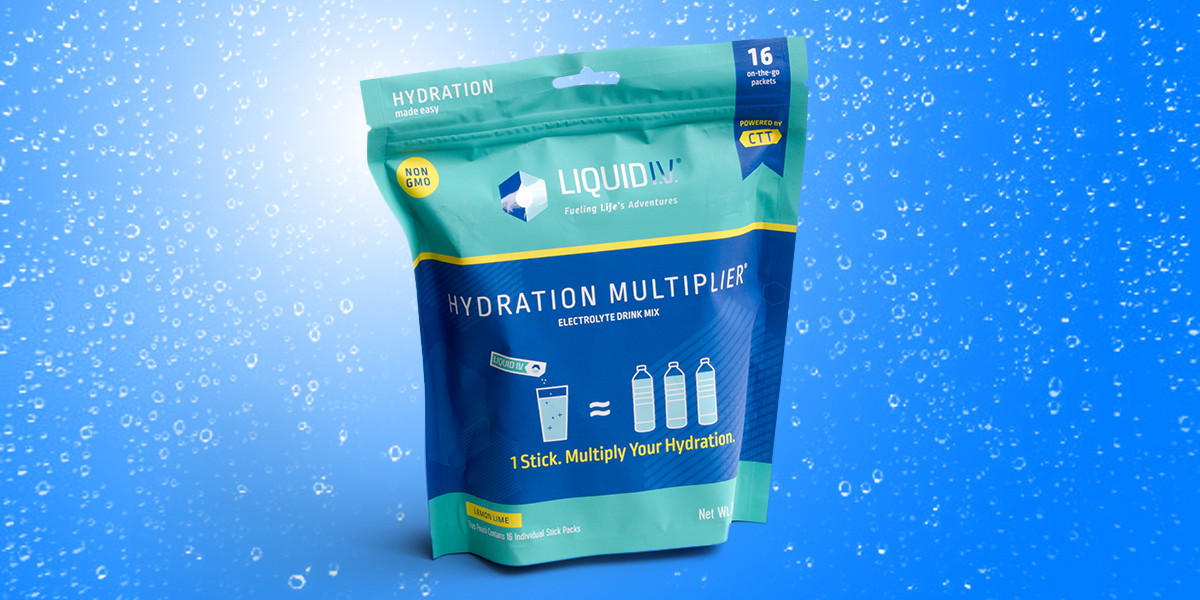
Liquid I.V. is the hydration drink that has taken the wellness world by storm. You can find it everywhere: mentioned in top podcasts, on your favorite influencer’s story, the girl crushing the stairmaster next to you, and even your friend’s pantry. Optimal hydration has become a quest for many, but does Liquid I.V. really work as a hydration multiplier, and how exactly?
It is marketed as a revolutionary product compared to other electrolyte drinks and powders, but does it live up to the buzz? We’re looking past the marketing and analyzing the ingredients below, as well as breaking down the science behind electrolytes and hydration. Read on to find out whether you truly need to elevate plain water.
-
Liquid I.V. is an electrolyte powder that increases water absorption and hydration.
-
The formula is similar to most electrolytes on the market, but the brand offers unique flavors.
-
Electrolytes are useful when experiencing dehydration, excessive sweating, vomiting, or diarrhea, but are not needed for daily use for most people.
What is Liquid I.V. and how does it work?
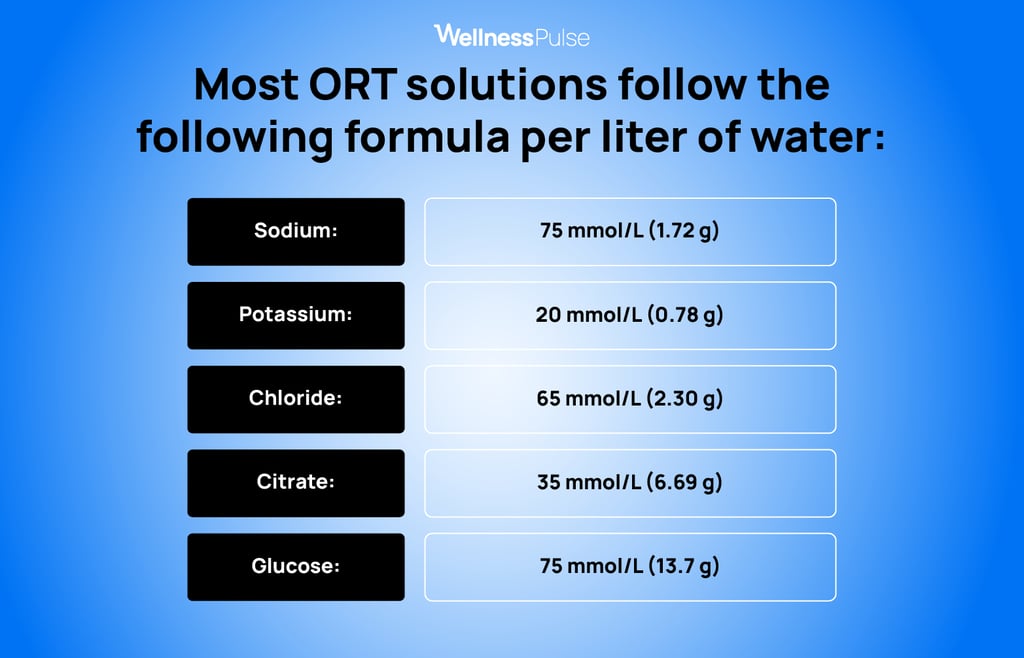
Liquid I.V. is a popular brand that offers electrolyte powders for oral rehydration therapy (ORT) and general hydration. Currently, they have five lines, all based on their hydration multiplier technology:
- Hydration multiplier — the original product
- Sugar-free — same as the original, but without the sugar
- Immune support — hydration multiplier with added vitamin C
- Energy — hydration multiplier with natural caffeine
- Kids — hydration multiplier with added vitamins and kid-friendly flavors
Each line has multiple flavors, some of which, like cotton candy, are not commonly seen in other electrolyte supplements, so the variety is definitely there.
However, what exactly is the energy multiplier? The main selling point of Liquid I.V. is that it contains three times more electrolytes than the leading sports drink and is based on oral rehydration solution (ORS), a globally recognized solution of glucose, electrolytes, and water used to replenish fluids in emergencies, dehydration, and sometimes sports.

The science of hydration
We all know that water is essential for life and hydration, so you may wonder why there is a hype about adding electrolytes to enhance hydration rather than just drinking more water. Unfortunately, our bodies cannot absorb all the water we drink, as only part of it can passively pass from the intestinal lumen into the bloodstream.
The sodium-glucose cotransporter (SGLT1) has a crucial role in water absorption and is the cornerstone of oral rehydration therapy. This small protein acts like a specialized pump, transporting sodium from the small intestine into the bloodstream, creating a sodium gradient, which is followed by water. This means the water is actually absorbed. However, the pump is a sodium-glucose cotransporter; thus, glucose also needs to be present for the sodium molecules to go in. In essence, glucose and sodium transport are coupled to one another, and sodium attracts water into the bloodstream.
Another protein crucial in maintaining water and electrolyte balance is the sodium-potassium pump (Na+ K+ ATPase). Similarly to how sodium draws water into the bloodstream, potassium works to keep the water inside the cells. In a simplified manner, the Na+ K+ ATPase pumps out two sodium ions out of the cell and three potassium ions in, every time it opens and closes. Because it is working against the concentration gradient, it uses up a unit of energy with every pump. This creates an electrical potential across the cell membrane essential for nerve impulses, muscle contractions, and cell communication.
Furthermore, because the pump removes two ions from the cell and pumps in three, it creates a higher concentration solution in the cell. Water from outside the cell moves into the cell via osmosis to dilute the solution and create equilibrium. So, as you can see, potassium is essential for drawing water into the cells and maintaining their integrity so that they do not shrink or expand and burst too much.
The process is even more complex on a deeper level, but this is the basics of why electrolyte balance is essential for water absorption.
Other electrolytes may also be added to an electrolyte mix:
- Chloride (usually sodium chloride). A major component of the extracellular fluid, together with sodium, maintains fluid balance and blood pressure.
- Magnesium. This mineral influences the movement of potassium and calcium, which are involved in multiple biochemical processes in the body, including electrolyte balance.
- Calcium. Although it is mostly known for bone health, calcium is also an important electrolyte that plays a role in muscle contractions and interacts with other electrolytes to maintain fluid balance.
Ingredients of Liquid I.V.
Now that we have the basics of hydration and electrolyte balance down, let’s look at the main ingredients of the original Liquid I.V.
Hydrating ingredients:
- Cane sugar — it acts as a glucose source
- Dextrose — a simple sugar and a source of glucose
- Salt — the primary source of sodium
- Potassium citrate — a source of potassium, citrate, can help stabilize pH
- Sodium citrate — contributes to sodium content, can help stabilize pH
- Dipotassium phosphate — source of potassium
Supporting ingredients:
- Citric acid — a flavor enhancer and buffering agent, helps to stabilize pH
- Silicon dioxide — an anti-caking agent
- Stevia leaf extract
- Vitamin C (ascorbic acid)
- Natural flavors
- Vitamin B3 (niacinamide)
- Vitamin B5 (calcium D-pantothenate)
- Vitamin B6 (pyridoxine hydrochloride)
- Vitamin B12 (cyanocobalamin)

The formula is high in glucose and sodium and has a decent amount of potassium, which rapidly replenishes electrolytes and fluids, primarily thanks to the sodium-glucose pump. The product also offers extra vitamins. However, 11 grams of added sugar and 50 calories are pretty high for a health-focused drink and can add up pretty quickly.
Sugar-free version
The sugar-free version has 15 calories and relies on an amino acid-allulose blend instead of glucose. There is little research on the effectiveness of this blend on hydration. However, the reasoning for including allulose is that it is a rare sugar that is absorbed but not metabolized by the body. It has very low calories and does not spike blood sugar and insulin in the same way glucose does. It may help with hydration in a similar way glucose does, but likely at a slower rate.
Amino acids are not typically considered hydrating ingredients themselves, but they are building blocks for proteins and are essential for muscle synthesis and repair, and metabolic functions. Amino acids also may support exercise recovery and reduce fatigue. By adding to the osmotic load, amino acids may also help draw water into the intestinal lumen and then the bloodstream.
Lastly, the inclusion of amino acids in the sugar-free electrolyte drink brings it close to BCAA drinks popular among exercisers. So athletes who are watching their weight and sugar content may get a 2-in-1 product with this blend, benefiting both from BCAAs and from replenishing their electrolytes.
Claimed Liquid I.V. benefits
According to the brand, Liquid I.V. is superior due to:
- Three times more electrolytes than the leading sports drink brand
- Hydrates faster than water alone
- Boosted wellness and immune support thanks to added vitamins
- Convenient and portable
- Flavor variety
- Supports energy
The brand claims to be suitable for travel, during or after exercise for “performance hydration,” after alcohol consumption, and for general wellness.
Most of these claims are true; however, pushing their “hydration multiplier” technology, which is based on a long-established ORT formula, can be a bit misleading. Regarding being convenient and portable, I definitely give them credit there. You can pack individual pouches to the gym, plane, or while out and about on a hot day, and just mix them with any glass or bottle of water. Furthermore, I have never seen such flavor variety before.
Downsides of Liquid I.V.
Like all good things, Liquid I.V. does have some drawbacks:
- High sodium content. Liquid I.V. has three times more electrolytes than other electrolyte supplements; hence, it is high in sodium. A single sachet contains 560 mg of sodium, which is 24% of the recommended daily value. This can be detrimental for people who are not losing that much sodium through sweating, illness, or medical conditions, contributing to elevated blood pressure or other issues, or causing water retention and bloating.
- High sugar content. In addition to sodium, each sachet of the non-sugar-free versions packs 11 grams of added sugar, which is 44% of the daily limit for women and 30% for men. This can be a concern for people trying to watch their sugar intake or weight, or those sensitive to glucose spikes.
- Exceeds vitamin and mineral needs. Liquid I.V. is fortified with vitamins, some of which, like vitamin B12 and pantothenic acid, significantly exceed the recommended daily value. While it is generally safe for most people, it is unnecessary and may cause issues for people who are already taking other supplements.
- Unnecessary for most. Despite the appealing packaging and marketing claims, most people do not need electrolyte powder, which may lead to excessive sodium and sugar intake. Unless you are engaged in prolonged, intense physical activity, spending time in extremely hot conditions, hence sweating profusely, or are experiencing significant fluid loss through vomiting or diarrhea, plain water is perfectly enough to hydrate. Overconsumption of electrolyte powder can lead to electrolyte imbalance.
I asked Dr. Hussain Ahmad if Liquid I.V. is better in any way. He said, “Liquid I.V. uses cellular transport technology (CTT), which is meant to improve water absorption. That sounds appealing, but regular electrolyte drinks or powders work just as well for most people, especially if you’re just rehydrating after light activity or illness. You’ll usually find similar ingredients in cheaper alternatives without the branding. The main difference is price and marketing, not effectiveness.”
Who is Liquid I.V. for?
Electrolyte supplements are booming, and not without a reason. There are certain cases when they can be useful or even crucial.
- Athletes and fitness enthusiasts. Profound sweating during prolonged or intense exercise results in electrolyte loss and dehydration, for which water alone may not be sufficient. In fact, consuming too much plain water may make things worse by washing out electrolytes.
- People who are traveling by plane. Airplane cabins are extremely dry, leading to dehydration. Adding electrolytes to water may help combat travel dehydration and make the most of the water bottle you have on board.
- People who are sick. Vomiting or diarrhea causes excessive water and electrolyte loss, especially when prolonged. ORT is used to treat dehydration in these conditions; thus, Liquid I.V. may offer a more palatable option
- Hangover. Alcohol is a diuretic, causing dehydration and electrolyte imbalance. Having electrolytes after and even before alcohol can help reduce dehydration and hangover symptoms.
- Hot climate. Working or simply living in very hot climates can cause dehydration and electrolyte loss due to excessive sweating. Replenishing with an electrolyte drink can help restore the balance quicker than plain water.
- People with medical conditions. Certain conditions can affect electrolyte balance, and your doctor may advise using electrolyte supplements. However, check with your doctor whether Liquid I.V. is a good option.
In essence, electrolytes are useful if you are experiencing excessive water loss and dehydration.
Alternatives to Liquid I.V.
You do not need to buy expensive electrolyte powders to hydrate yourself. Here are more affordable and widely available alternatives:
- Plain water. Water is perfect for baseline everyday hydration.
- Mineral water. If you want something with some electrolytes and more taste, opt for mineral water.
- DIY electrolyte drink. Add a pinch of sea salt and some honey, juice, or coconut water to regular water.
- Coconut water. Coconut water naturally has electrolytes and glucose, making it an electrolyte drink.
- Other electrolyte supplements. Your local pharmacy or sports supplements store is likely to have electrolyte powder and tablets with the same benefits, but they are cheaper because they are local and not hyped.
Concluding remarks
Liquid I.V. has become popular due to people raving about optimizing hydration and well-placed sponsorships. The product comes in a variety of flavors and convenient, eye-catching packaging; however, the formula is pretty much the same as any other electrolyte brand.
Electrolytes can be extremely useful if you are sweating a lot from hot weather or exercise, when traveling, or if you are sick and vomiting or have diarrhea. It may also help ease hangovers by combating dehydration; however, for most people, plain water is enough, and you should be mindful of the high sugar and sodium content in Liquid I.V.
The main message is that Liquid I.V. is not some magical product. You can easily make an electrolyte drink at home or opt for cheaper, lesser-known, and local brands.
FAQ
How many Liquid I.V.s per day?
For routine hydration, it is recommended to have one packet a day. However, this may increase due to excessive sweating or illness, but it would be best to consult a doctor.
Does Liquid I.V. have caffeine?
The Liquid I.V. Energy line contains caffeine from Coffeeberry® energy coffee fruit extract and CognatIQ® Coffee Fruit Extract. Each sachet has around 100 mg of caffeine, and the disclaimer states that “Caffeine is naturally occurring, and the actual amount may vary.”
Does Liquid I.V. work?
The Liquid I.V. formula is in line with the guidelines for ORT, and thanks to sugar and sodium, it can hydrate you faster by replenishing electrolytes lost through excessive sweating, vomiting, diarrhea, travel, or drinking alcohol.
8 resources
- Manual for Procurement & Supply of Quality-Assured MNCH Commodities. Oral rehydration.
- Current opinion in nephrology and hypertension. Sodium-glucose cotransport.
- StatPearls. Physiology, sodium potassium pump.
- StatPearls. Electrolytes.
- Nutrients. The metabolic and endocrine effects of a 12-week allulose-rich diet.
- StatPearls. Biochemistry, essential amino acids.
- Journal of Exercise Nutrition & Biochemistry. Effect of BCAA intake during endurance exercises on fatigue substances, muscle damage substances, and energy metabolism substances.
- American Heart Association. How much sodium should I eat per day?






Your email will not be published. All fields are required.