Obesity and overweight remain some of the most common chronic health issues worldwide. From public health organizations to everyday people, many are searching for ways to manage weight and support their health outcomes.
Commonly, where there’s a health concern, there’s often a booming market. The global weight management industry is projected to hit over 298 billion USD by 2030. From supplements and fitness apps to diet trends and wearable gadgets, the promise of weight loss sells and sells big.
One such promise is turmeric. This familiar kitchen spice has gained attention as a dietary supplement claiming to support weight loss, reduce inflammation, and offer various health ‘perks.’ However, how much of this is grounded in science and whether turmeric helps with weight loss is rarely discussed. Let’s take a closer look at turmeric and its potential for weight loss.
-
Turmeric or curcumin alone is not a reliable weight loss solution — any potential benefits are modest and depend heavily on other lifestyle factors.
-
Curcumin has poor absorption unless paired with piperine and healthy fats.
-
Sustainable weight loss relies on core principles like nutrient-dense diet, consistent movement, and behavioral change, not quick fixes or single-ingredient solutions.
Understanding turmeric and curcumin
Turmeric is a bright orange-yellow spice made from the root of the Curcuma longa plant, which is typically grown in India, China, and Southeast Asia.
While turmeric is commonly used for cooking, in these regions of the world, turmeric has long been used in traditional medicine for various ailments, including hepatic disorders, rheumatism, and even diabetic wounds. Of course, these uses of turmeric to this day are not scientifically grounded.
The specific color of turmeric is determined by an active component called curcumin. Curcumin is a type of polyphenol, a plant-based substance attributed with antioxidant and anti-inflammatory properties.
However, while curcumin’s potential impact on overall health is starting to gain attention, in turmeric, curcumin makes up only about 2–8% by weight. Moreover, curcumin’s bioavailability (how well the body absorbs and uses the compound) is in question. So, logically, using a few more pinches of turmeric spice in your meals is unlikely to do much in terms of impact on health.
Current studies propose that curcumin is poorly absorbed by the body, too. Thus, it is usually suggested to be paired with piperine (a compound in black pepper) to increase its potential absorption rates.
Does turmeric really help with weight loss?
Let me be a bit more critical right from the beginning. It’s important to understand that turmeric or its active ingredient curcumin is not a ‘fat burner’ nor a replacement for dietary or lifestyle changes, which we know to meaningfully impact overall health and weight loss.
Using any curcumin supplement without changing any other aspects of your routine will not cause a meaningful weight loss alone without other interventions. This is important to understand, especially when discussing clinical studies that may show positive effects of it on weight loss.
Now, when it comes to scientific research, quite a few systematic reviews discuss the potential impact of turmeric on weight loss.
One systematic review with meta-analysis of 21 studies assessed that people, especially those with metabolic syndrome, who took anywhere from 70–2,400 mg/day of curcumin (turmeric’s active compound), experienced reductions in BMI, overall weight, and waist circumference.
However, the authors highlight that it is important to consider the doses and their impact. They emphasised that most of the current studies included in the meta-analysis had low-to-moderate methodological quality, which is always important to take into account when discussing the results, as these more in-depth analyses are as good as the studies they are based on.
Another meta-analysis, which assessed curcumin intake in people with metabolic syndrome for 4–12 weeks, with the daily curcumin intake reaching 2,000–3,000 mg, also suggested decreases in BMI, body weight, and waist circumference.
On the other hand, some of the systematic reviews suggest that no significant reductions in weight or other weight loss related parameters were noted.
With that being said, we do have a contradicting scientific opinion on whether curcumin actually may help reduce weight. While some studies are finding no potential effect on weight loss, those that do seem to highlight that the weight loss is relatively minimal, which can reach mostly up to 2–4 lbs (1–2 kg) or less of body weight.
Due to the poor quality of most studies, such weight difference may also occur completely naturally from non-specific factors of increased health awareness, fluid loss, or behavioral and dietary changes, which in most studies assessing curcumin’s impact on weight loss were not specified.
What about turmeric dietary supplements?
Since the evidence for using turmeric for weight loss is mixed, there are no official usage recommendations.
In his YouTube video, Dr. Leonid Kim highlights: “The dose or general intake highly depends on whether we talk about turmeric or its active ingredient curcumin. However, if you want to use the supplement, it's important to take into account whether it has piperine and to take the supplement with meals that contain healthy fats for better absorption.”
“Finally, if you are picking a turmeric supplement, make sure it is a third-party tested and USP or NSF certified, which ensures that the supplement actually has the ingredients and their doses as listed on the label, as well as it is not contaminated by harmful compounds,” says Dr. Kim.
Considerations and safety
Curcumin is generally considered safe (GRAS). However, supplementing your diet with curcumin at high doses, especially for weight loss, comes with some considerations that one should take into account.
From the studies and meta-analysis discussed previously, it seems that curcumin is tolerated up to 2,000 mg/day for short periods of time. However, even at these or higher doses, individual responses may result in mild side effects, including bloating, gas, upset stomach, nausea, and on some rare occasions, headache.
Curcumin, as an active ingredient, may interact with certain medications such as diabetes medications, antacids, or blood thinners. Due to poor bioavailability, curcumin may also be formulated with ingredients like piperine, which may further contribute to medication interaction or potential side effects.
Certain groups of people may also not be recommended to use turmeric supplements.
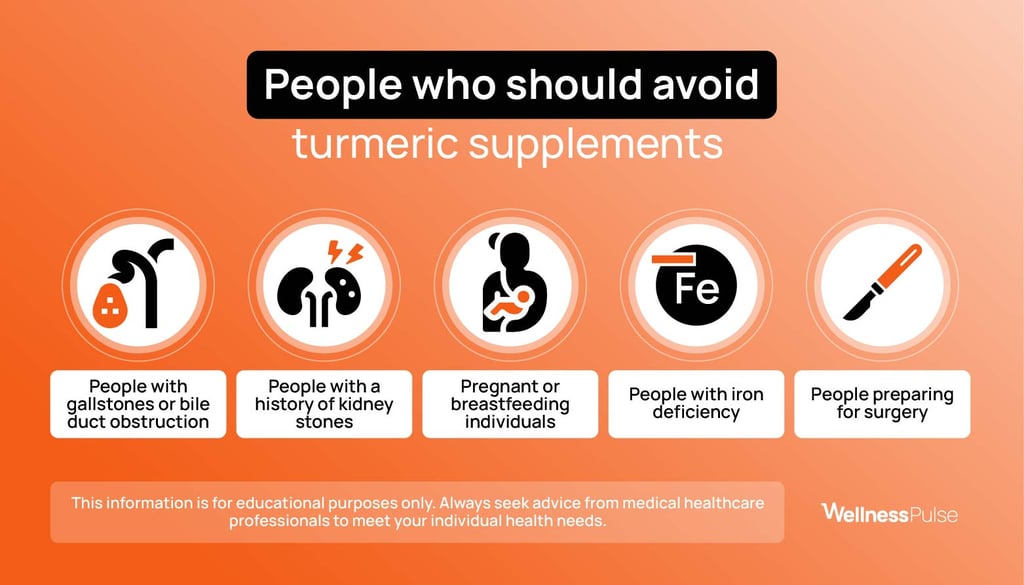
In any case, it is always important to discuss any potential supplementation use with your healthcare provider prior to introducing the supplementation into your dietary routine. Your doctor will be able to assess your individual health needs and determine the best approaches to reach your health goals in your individual case.
Principles of sustainable weight loss
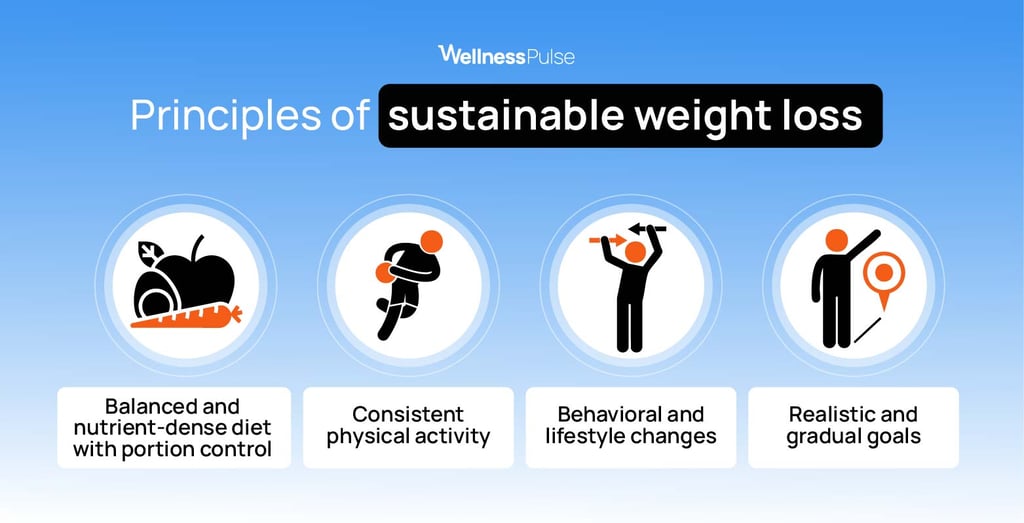
I always try to emphasize that weight loss isn’t about quick fixes, it’s about consistent and long-term habits. While some dietary supplements can be part of a routine, the core principles remain essential for achieving weight loss gradually and sustainably and for maintaining long-term results.
Balanced and nutrient-dense diet with portion control
A balanced and nutritious diet is the cornerstone of sustainable weight loss. Rather than solely promoting restriction, this approach helps to eat a variety of whole foods, including vegetables, fruits, lean proteins, whole grains, and healthy fats to meet the body’s nutritional needs. Just be mindful of creating a slight calorie deficit by either watching your portions or increasing your physical activity.
Consistent physical activity
Physical activity is one of the key factors supporting weight loss efforts and general weight maintenance.
It is generally recommended to participate in at least 150–300 minutes of moderate intensity activity per week for adults. Remember, physical activity does not necessarily mean going to the gym — there are plenty of activities that can be not only fun but also provide similar results. Faster walking, water aerobics, simply swimming, riding a bike, or playing some sports may all contribute to your daily movement needs.
It is also recommended to have two days a week dedicated to muscle-building activities, which may include yoga, push-ups or sit-ups, lifting weights, or working with resistance bands.
Behavioral and lifestyle changes
Behavioral and lifestyle changes other than diet and physical activity are often overlooked, especially in weight loss. However, these factors truly influence the weight loss process and especially weight management long-term.
Monitoring your stress levels, sleep patterns, social support, harmful habits management, and small aspects like consistency in your routines are important in achieving sustainable goals.
Realistic and gradual goals
As a nutritionist, I often hear people saying that they need to fit into a dress a month before an event, need to have a ‘summer body,’ and other things that usually lead to drastic measures in dietary and lifestyle changes.
While understandable and valid, such goals may bring only temporary results while also potentially compromising health due to restrictions that may occur in daily routines.
Achievable goals will help you stick to the new routines better, and you will feel less pressure to have something that may be hardly attainable without fad diets that tend to backfire long-term. So, focus on small milestones that you know you can sustainably achieve without compromising your health, both short and long term.
Bottom line
While turmeric and its active compound curcumin continue to generate interest for their potential health benefits, the current evidence is still mixed in terms of turmeric being a reliable or meaningful tool for weight loss, especially on its own.
While some studies suggest reductions in weight and waist size, the results are inconsistent and often limited. Thus, rather than focusing on a single supplement, focus on lasting and healthy weight loss by combining well-known techniques, including nutrient-dense flavorful meals, watching out portion sizes, increasing physical activity, and monitoring your other lifestyle habits.
FAQ
Can turmeric tea help with weight loss?
There is no strong evidence that drinking turmeric tea alone may lead to any weight loss. The amount of curcumin absorbed from such drinks may be very low, and the effects of curcumin, even at higher doses, are still controversial in weight loss. If you enjoy turmeric tea for its taste, then it can be a part of your healthy, balanced diet — though not necessarily for weight loss.
Is it better to take turmeric supplements in the morning or at night for weight loss?
There is no clear consensus about the intake of turmeric or curcumin supplements, especially for weight loss. If you decide to take these supplements, whether to take them in the morning or at night may only depend on your personal preference and routine consistency.
How long does it take to see any effects of turmeric on weight?
If there are any weight-related effects from turmeric or curcumin supplementation, studies typically observe changes after 4–12 weeks, and even then, reductions are relatively small and may not be solely attributed to turmeric intake. Keep in mind that in terms of weight loss, the effects can vary widely depending on individual factors like health status and dietary or lifestyle habits, alongside the actual supplement formulations.
16 resources
- StatPearls. Metabolic consequences of weight reduction.
- CDC. Physical activity basics.
- WHO. Physical activity.
- American Diabetes Association. Role of physical activity for weight loss and weight maintenance.
- Journal of Obesity & Metabolic Syndrome. Optimal diet strategies for weight loss and weight maintenance.
- Frontiers in Pharmacology. Turmeric and its major compound curcumin on health: bioactive effects and safety profiles for food, pharmaceutical, biotechnological, and medicinal applications.
- Journal of Ethnopharmacology. Pharmacokinetic interactions of curcuminoids with conventional drugs: a review.
- Foods. Curcumin: a review on its effects on human health.
- Clinical Nutrition Research. Does turmeric/curcumin supplementation change anthropometric indices in patients with non-alcoholic fatty liver disease? A systematic review and meta-analysis of randomized placebo-controlled trials.
- The American Journal of Clinical Nutrition. The effects of curcumin supplementation on weight loss and anthropometric indices: an umbrella review and updated meta-analyses of randomized controlled trials.
- Frontiers in Pharmacology. The effects of curcumin on weight loss among patients with metabolic syndrome and related disorders: a systematic review and meta-analysis of randomized controlled trials.
- Institute of Medicine (US). Weight management: state of science and opportunities for military programs
- Advances in Nutrition. The problem of curcumin and its bioavailability: could its gastrointestinal influence contribute to its overall health-enhancing effects?
- Frontiers in Nutrition. Impacts of turmeric and its principal bioactive curcumin on human health: pharmaceutical, medicinal, and food applications: a comprehensive review.
- Academic Press. Curcumin: historical background, chemistry, pharmacological action, and potential therapeutic value.
- Springster Nature Link. Turmeric: origin and history.






Your email will not be published. All fields are required.