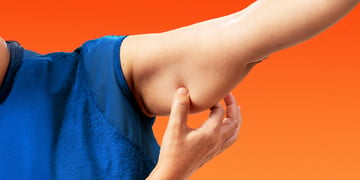
Commonly nicknamed ‘bat wings,’ flabby arms have long been the target of quick-fix workouts. Whether a five-minute arm workout on YouTube or a simple resistance band routine on TikTok, they all promise sleek arms.
But in reality, how much of this is possible? And what does actually work if flabby arms are something you want to ‘fix’?
-
Flabby arms are often caused by a mix of genetics, aging, and changes in body composition.
-
Spot reduction (or losing fat from only one area) is not supported by science.
-
Strength training and overall fat loss can improve arm appearance, but consistency is key, as there is no quick fix.
-
Flabby arms, however, are not something you should be pressured to change just to fit a certain look.
What are flabby arms?
Flabby arms usually refer to the softer appearance of the triceps area. While they can develop at any age, they are more common as we get older due to:
- Loss of muscle mass. “We all lose muscle mass as we age (called sarcopenia). Less bulky muscles, fat under the skin, and loose skin make the arms look flabby,” explains Dr. Gerda Maissel, a board-certified Physical Medicine and Rehabilitation physician.
- Decreased skin elasticity. Collagen and elastin production naturally decrease over time, making skin looser and less firm.
- Shifts in body fat distribution. Hormonal shifts, especially during menopause, can increase fat storage in the upper arms, as suggested by body composition studies.
Additionally, some people naturally carry more fat in the upper arms, making them appear softer. Some people have ‘flabby’ arms regardless of their age or fitness level.
Flabby arms can be extremely difficult to lose, as this usually requires both an increase in muscle mass and a reduction in fat.
The role of strength training
If you want arms that appear more toned, you will need to build the muscle underneath. Strength training your arms can help them look more defined.
Building the triceps gives the arm shape and firmness, but you can’t ignore the shoulders, biceps, and even your back. Balanced training makes the whole arm area look tighter.
However, for most people, increasing muscle mass alone will not be enough to have any significant reduction in flabbiness due to fat accumulation in the arm area.
Exercises for flabby arms
Below are some of the best arm workouts to try at home or at the gym. You can start with bodyweight workouts and gradually build up the strength to incorporate dumbbells or other equipment.
While the focus of these exercises is to build triceps muscle, it is recommended to include movements that also target the biceps and shoulders for balanced arm strength.
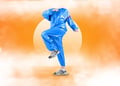
Tricep dips
Tricep dips are a simple yet highly effective exercise to target the back of your arms.
You don’t need any special equipment; just a chair or a bench will do.
To perform tricep dips, place your hands shoulder-width apart on the edge of the surface behind you, with your legs extended forward. Bend your elbows to lower your body while keeping your back close to the bench. Push through the palms to straighten the arms to lift your body back up.

Push-ups
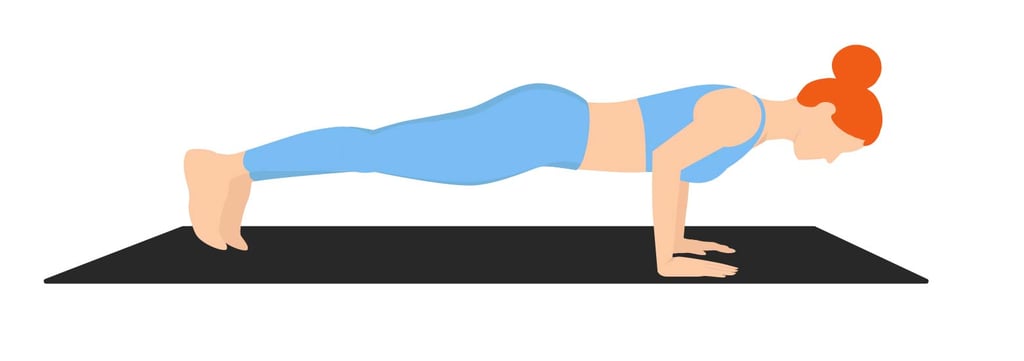
For those who are looking to build arm muscles at home, push-ups are some of the most effective exercises. It is a classic compound movement that works your arms, chest, and shoulders.
Start in a plank position. Your hands should be shoulder-width apart. Lower your body until your chest almost touches the floor, then push back up.
For beginners, however, completing push-ups can be hard, so start with modified versions, such as by doing them on your knees or against a wall.
Triceps extensions
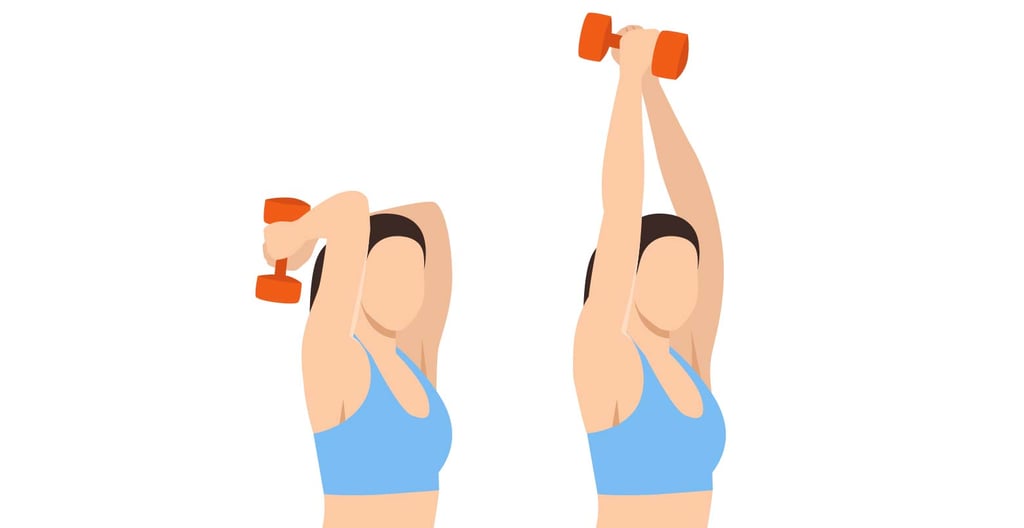
Triceps extensions, typically performed with dumbbells, are among the most popular exercises for the triceps muscle.
Start by holding a weight with both hands overhead, elbows close to your ears. Lower the dumbbell behind your head, then straighten your arms up. Do not flare your elbows throughout the exercise.
While you can exercise both standing and sitting, sitting will help isolate the triceps the most.
Skull crushers
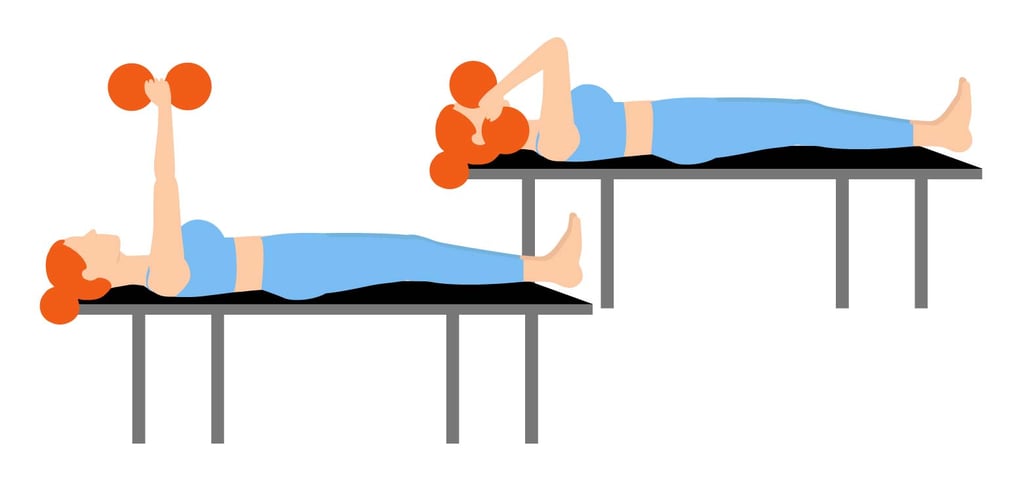
Don’t be intimidated by the name! Skull crushers are great for targeting triceps. You’ll need a pair of dumbbells or an EZ bar for this move.
Lie down on a bench or the floor, holding the weights above your chest with your arms extended. Slowly bend your elbows to lower the weights toward your forehead (hence the name), then extend your arms back up. Keep your elbows steady and avoid letting them flare out.
This exercise isolates the triceps and helps build definition in the back of your arms.
Lastly, Dr. Maissel highlights that unless the person has very little fat and no loose skin, they may still perceive their arms as too waggly even when they exercise regularly. For this reason, you might also need to lose some fat in the arm area.
Can you spot reduce fat in the arm area?
In short, no.
The idea of spot reduction is one of the biggest myths in fitness. Studies have shown that no specific training can spot-reduce fat. When you lose weight, your body chooses from where exactly, and most of the time, it is not your desired spot.
How your fat is distributed usually comes down to factors such as genetics, hormones, and age. So, to give yourself a more defined look, you will need to lose fat overall, which is possible through caloric deficit.
Best ways to lose fat
Since fat loss comes from a calorie deficit, your overall nutrition matters the most. Cardio or any other physical activity (including weight training) can help you reach a caloric deficit, as adding them to your routine increases the overall calories burned.
A protein-rich diet may help preserve muscle mass during weight loss. Research suggests that aiming for at least 1.2–1.6 grams of protein per kilogram of body weight can help maintain lean tissue while losing fat. Increased protein intake will also help build muscle mass.
Beyond just calories and protein, focusing on whole, minimally processed foods can support weight loss. Staying hydrated and managing stress also play important roles in healthy fat loss and muscle retention.
Skin firmness and elasticity
Even with fat loss and muscle gain, skin texture can play a role in how toned your arms look.
Collagen production declines with age, so skin naturally becomes looser. Remember, skin firmness varies widely between individuals depending on genetics and age.
Can flabby arms be completely fixed?
Real talk: genetics and skin elasticity set some limits. But you can make a visible difference with consistent habits.
While a combination of strength training, balanced nutrition, and patience works best, it is not a complete fix for most people.
However, flabby arms are nothing to stress about. They’re a completely normal part of how bodies look and change over time. Everyone’s shape is different and changes throughout life. That is totally okay! The best thing you can do is focus on feeling strong and healthy, which regular movement and balanced eating can definitely support.
Safety considerations
If you’re new to strength training, start with light weights or bodyweight exercises. Gradually increase load as you build strength. This will help you avoid injuries. However, consulting with a physiotherapist or trainer is recommended, especially if you have not worked out before or have certain medical conditions.
If you’re aiming for weight loss alongside muscle building, it’s important to do so gradually as well. Extreme weight loss can lead to significant muscle loss, affecting how your arms look and feel.
Final thoughts
While today’s beauty standards might make you feel self-conscious, flabby arms don’t necessarily need ‘fixing.’
That said, building muscle in your arms and reducing overall body fat can help you feel stronger and more confident. Keep in mind that the change will happen gradually and will take time. Consistency is the key.
You should, however, have realistic expectations. “For most people over 50, exercises will improve but not eliminate flabby arms,” explains Dr. Maissel.
5 resources
- Frontiers in Physiology. Sarcopenia, dynapenia, and the impact of advancing age on human skeletal muscle size and strength; a quantitative review.
- Gynecological Endocrinology. Effect of climacteric transition and hormone replacement therapy on body weight and body fat distribution.
- The Journal of Nutrition, Health and Aging. Effects of dietary protein on the composition of weight loss in post-menopausal women.
- Clinical Nutrition ESPEN. Enhanced protein intake on maintaining muscle mass, strength, and physical function in adults with overweight/obesity: a systematic review and meta-analysis.
- Journal of Manipulative & Physiological Therapeutics. Effect of abdominal resistance exercise on abdominal subcutaneous fat of obese women: a randomized controlled trial using ultrasound imaging assessments.



Your email will not be published. All fields are required.