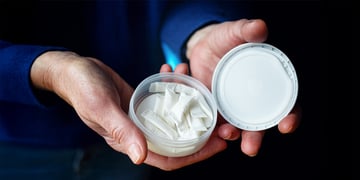
Caffeine pouches look virtually identical to Zyns or Snus but deliver a caffeine boost instead of nicotine. The product is rapidly gaining popularity among U.S. teens and is often promoted by creators and sold on the TikTok shop.
Several brands are already available in Europe, and the youth here will likely jump on board similarly.
The product seems innocent and just a replacement for coffee, but health professionals are concerned about its use and popularity. Let’s examine how caffeine pouches work, the pros and cons, and whether there is a safe way to use them.
-
Caffeine pouches are nicotine- and tobacco-free oral sachets that deliver a quick hit of caffeine.
-
The pouches are placed behind your upper or lower lip, and the caffeine is directly absorbed into your bloodstream.
-
Caffeine pouches are very popular among teens, but the lack of regulations and the ease with which they can be abused are raising medical concerns.
What are caffeine pouches?
Caffeine pouches are small pouches filled with caffeine powder and other ingredients, like flavors, vitamins, and fillers. They are placed behind your upper or lower lip, and the caffeine is rapidly and directly absorbed into your bloodstream. Many people mix them up with Snus or Zyns, but caffeine pouches are tobacco- and nicotine-free.
The products range in flavors and caffeine content, with some containing 56 mg, which is around the same as an espresso shot, while others pack 200 mg, which is equivalent to a large energy drink and half the adult daily recommended caffeine limit.
The products are marketed as a convenient energy boost with no calories or sugar. The marketing heavily focuses on fitness enthusiasts and people on the go. You just put one pouch in your lip and keep it there for around 20 minutes (the precise time varies by brand and personal preference, but generally, once the flavor is done, take it out).
Growing popularity
Caffeine pouches are primarily marketed as performance- and focus-boosting, aimed at gym-goers and student audiences. These pouches are gaining popularity as an alternative to energy drinks and coffee, often seen as a cheaper way to get a comparable caffeine boost, and are booming among teenagers and students.
Furthermore, the pouches are barely noticeable, so even the strictest teacher or professor who does not allow drinks in class is unlikely to know you have a caffeine pouch behind your lip.
Here are the main reasons why caffeine pouches got so popular:
- Convenience. No preparation needed, can be used in almost any circumstances, and are hardly noticeable.
- Energy demands. Academic and social pressures, playing sports, and going to the gym leave many relying on caffeine.
- Accessibility. Caffeine pouches currently have no regulations and can easily be bought on Amazon, TikTok shops, and gas stations without age restrictions.
- Social media influence. Caffeine pouches are trending, with people praising how amazing they are. Pair that with peer pressure, and most teens hop on it.
Effects of caffeine
One of the first brands to launch these products, Wip, quotes studies that caffeine can boost endurance and reduce fatigue, improve cognitive functions, alertness, and attention, enhance physical performance, and support stamina and endurance “when used correctly.” Let’s dissect the meta-analysis and the strength of the evidence.
Reduced fatigue
Caffeine is a stimulant that can easily cross the blood-brain barrier and bind adenosine receptors. This antagonism is the primary reason for the wakefulness effects. It also stimulates the release of other neurotransmitters, which results in multiple reactions that raise your heart rate, blood pressure, breathing rate, and alertness, aka making you awake.
Improved cognitive performance
There is strong evidence that caffeine doses of 32–200 mg support sustained attention for several hours in healthy, rested, and sleep-deprived adults. The evidence is also strong for improved reaction time with caffeine doses ranging between 12.5 and 400 mg across the studies.
There is also moderate evidence that 60–400 mg of caffeine improves accuracy or speed on focused complex tasks; however, the results vary depending on the task.
The evidence on improved memory, executive function, and judgment is mixed and relatively weak. In many studies, caffeine does not improve these metrics in sleep-deprived individuals, regardless of the caffeine dose.
Caffeine can boost focus and attention, but the evidence on higher executive functions, like executive control and decision-making, is mixed. There is also a big range in effective doses, with some individuals experiencing results at low doses, while others need much higher ones. From personal experience, most of us know that caffeine after inadequate sleep does not make you nearly as sharp as after quality sleep.
Improved physical performance
According to research, 78% of studies showed that 3–6 mg of caffeine per kg of body weight improves endurance during exercise; however, non-responders exist. Moderate evidence also shows that caffeine can improve strength in some exercises and sport-specific skills, like tennis or soccer.
There is also some moderate evidence that caffeine can reduce perceived muscle soreness and fatigue. However, very high doses of caffeine (9 mg per kg of body weight) were associated with side effects without additional benefits.
Caffeine is most commonly consumed 60 minutes before exercise; however, this depends on the caffeine type. Caffeine gums or pouches may need less time to exert positive effects than liquids or capsules.
Caffeine supports mental and physical exercise performance, so many have a caffeinated beverage or supplement before a workout. However, it is important to use caffeine to boost your performance rather than relying on it to mask fatigue, as this can lead to burnout, overexercising, or even injury.
Medical concerns about caffeine pouches
There are numerous concerns about the rising popularity of caffeine pouches, especially among teens.

Developing dependence
Caffeine works by binding adenosine receptors. Adenosine is a compound that accumulates the longer we are awake and makes us feel sleepy. So, by binding adenosine receptors, caffeine reduces sleep pressure rather than increasing energy, as many believe.
The issue is that with consistent caffeine use, the brain grows more adenosine receptors because it thinks something is wrong with adenosine's non-binding. This requires a larger caffeine dose to remove the new level of adenosine signaling and sleep pressure.
Some of the caffeine pouches pack 200 mg, worth two strong cups of coffee. The recommended daily caffeine limit for adults is 400 mg, but only 100 mg for teens. So, caffeine pouches, especially the strong ones, can easily send you over the recommended daily limit. This can then lead to serious side effects, as well as build tolerance and addiction.
Rapid absorption and overdose
In caffeine pouch marketing, rapid absorption is highlighted as one of the main benefits, but it is also a significant cause for trouble.
While it does mean you will feel the energy-boosting effects sooner, it also means that the risk of anxiety, jitters, rapid heart rate, palpitations, and other side effects is also more substantial.
Lastly, direct absorption of caffeine into the bloodstream increases the risk of overdose, which is not very common, but can happen when mindlessly consuming caffeine pouches. Caffeine toxicity can cause nausea, vomiting, a rapid heart rate, loss of consciousness, irritability, headache, and hypertension, followed by hypotension. Muscles may also be rigid with accentuated reflexes.
I asked Dr. James Lyons — How is this different from coffee or energy drinks? Here’s what he said:
The caffeine from coffee and energy drinks is absorbed in the gastrointestinal tract and metabolized by the liver. Peak blood levels occur in 30–60 minutes, and the onset of effect is slower but more predictable. The caffeine from caffeine pouches is absorbed through the oral mucosa (lining of the mouth) directly into the bloodstream. The onset is faster (10–15 minutes) but may also increase the risk of palpitation in sensitive people.
Dr. James Lyons
Gastrointestinal issues
Caffeine pouches do not enter the digestive system; however, the absorbed caffeine can still cause nausea, diarrhea, vomiting, or stomach upset, especially if a strong dose is taken.
Furthermore, some additives in pouches may also irritate the gastrointestinal system as small amounts are swallowed with saliva.
Sleep disruptions
Caffeine has a half-life of 5 hours, depending on metabolism, health factors, and medication. This means that caffeine taken even in the early afternoon can disrupt sleep at night, causing trouble falling asleep, reducing sleep depth, and increasing fragmented sleep.
Teens are even more vulnerable to this, as they already tend to have a delayed sleep onset and lean toward a late-sleeping chronotype. Consuming large amounts of caffeine later in the day can cause significant disruptions in their sleep, which is essential for growth, development, school performance, social life, and any hobbies or sports.
Cardiovascular side effects
Caffeine increases heart rate and blood pressure. In moderate amounts, this can wake you up and boost energy and performance. However, high doses and fast absorption of caffeine from pouches can cause much more rapid increases than from sipping a coffee. This makes side effects like heart palpitations, high heart rate or blood pressure, and other complications more likely.
Oral health
Currently, there are no studies looking at the impact of caffeine pouches on oral health, as they are quite new. However, a small study on the use of nicotine pouches found that all users had oral lesions caused by inflammation of the gums.
More studies are needed to determine the precise impact of nicotine or caffeine pouches on oral health, but dentists generally urge caution.
Impact growth and development
Dr. Lyons warns about the popularity of caffeine pouches among teens. He says, “Teenagers are especially vulnerable to the effects of concentrated stimulants like caffeine pouches. Some medical concerns include the effects on the brain, including the developing nervous system, increased anxiety and jitteriness, and sleep disruption.”
Caffeine pouches vs. coffee
I asked Dr. Lyon whether caffeine pouches are okay for adults or if regular coffee is better, and he said, “In healthy adults, the occasional use of caffeine pouches is fine. Some benefits include fast absorption, no sugar, and convenience/discretion. However, traditional coffee is the better option. Coffee has been studied long-term, has well-documented health benefits, and lowers the risk of gum/mucosa irritation. Whereas caffeine pouches can cause gum irritation or sores, have limited long-term safety data available, a risk of overuse, and possible side effects.”
Regulations
Caffeine pouches are unregulated and have no age restrictions; however, medical authorities in the U.S. and the UK are pushing for age restrictions to be implemented similarly to energy drinks. They are also raising concerns about the lack of regulations that would ensure what exactly is in the pouches and whether the caffeine dosage on the label matches the actual contents.
Bottom line
Caffeine pouches are a novel way to get a caffeine boost. They are convenient, quick, discreet, and booming among teenagers. However, where novelty goes, uncertainty and health concerns follow.
Some caffeine pouches contain 200 mg of caffeine, double the recommended amount for teenagers and half the recommended limit for adults. Due to their ease of consumption, they are also easy to overdo and abuse if not mindful.
Caffeine can boost physical performance and attention, but it should not be abused or interfere with sleep, as it can have dire health consequences.
FAQ
How bad is it to accidentally swallow a caffeine pouch?
According to Dr. Lyons, an adult swallowing one pouch accidentally is usually safe. However, since the pouch itself is made for oral use and not digestion, you may have some gastrointestinal issues like nausea, cramping, or diarrhea. The main risks are choking, GI irritation, and caffeine overdose if multiple are swallowed. It’s also important to note that if a child or pet swallows a pouch, it should be treated as a medical emergency.
How many pouches per day are safe?
The number of pouches you can consume in a day varies based on your age, caffeine tolerance, whether you are consuming other caffeine sources, and how strong the pouch is. The general guidelines state that adults consume no more than 400 mg of caffeine daily, 100 mg for teenagers, 0 mg for kids, and 300 mg for pregnant individuals. However, some people may be sensitive to caffeine, have medical conditions, or are on medication that affects caffeine metabolism, and can tolerate less than that.
Can you mix caffeine pouches with energy drinks or pre-workouts?
You should not consume caffeine pouches on top of energy drinks, pre-workouts, or even coffee, as too much caffeine will be absorbed into your bloodstream at once, causing serious side effects without any benefits.
7 resources
- FDA. Spilling the beans: how much caffeine is too much?
- Neuroscience & Biobehavioural Reviews. A review of caffeine’s effects on cognitive, physical and occupational performance.
- StatPearls. Caffeine.
- Journal of the International Society of Sports Nutrition. International society of sports nutrition position stand: caffeine and exercise performance.
- StatPearls. Caffeine toxicity.
- Journal of Youth and Adolescence. Sleep-wake timings in adolescence: chronotype development and associations with adjustment.
- Diagnostic Pathology. Oral mucosal changes caused by nicotine pouches: case series.





Your email will not be published. All fields are required.