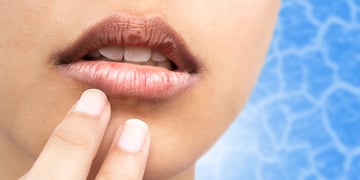
With the increasing use of Ozempic and other GLP-1 receptor agonists, their new side effects, including those impacting oral health, keep coming to light. Here's what you need to know about 'Ozempic mouth' and how to prevent it.
GLP-1s, short for glucagon-like peptide-1 receptor agonists, are diabetes and obesity medications that have taken the world by storm by helping to lose up to 20% of body weight in combination with lifestyle changes.
Around one in eight Americans reported ever using a GLP-1 agonist, according to 2024 data.
Although there are several GLP-1 medications approved by the Food and Drug Administration (FDA), Ozempic (semaglutide) became a household name. That's why the drugs' oral side effects are often referred to as 'Ozempic mouth.'
What is it exactly, and what can users do to avoid it?
-
'Ozempic mouth' refers to reports of oral health deterioration while taking GLP-1 medications. Symptoms may include bad breath and tooth decay.
-
While there's no direct evidence that GLP-1s negatively impact oral health, dentists associated the symptoms with dry mouth, acid reflux, and other side effects of the medications.
-
Individuals on GLP-1s may prevent 'Ozempic mouth' by increasing hydration and eating a balanced diet rich in calcium and vitamin D, as well as maintaining good oral hygiene.
What is Ozempic mouth?
The term 'Ozempic mouth' has been used to describe the sudden deterioration of oral health while taking GLP-1 medications, according to Dr. Sandip Sachar, the founder of Sachar Dental NYC.
"While there is no direct scientific evidence yet, in clinical settings, GLP-1 drugs like Ozempic are increasingly associated anecdotally with damaged teeth," she tells WellnessPulse.
Joseph Field, DDS, a dentist at Peninsula Center of Cosmetic Dentistry, says he is seeing patients, many of whom haven't had prior dental issues, suddenly experiencing rapid gum recession, unexplained tooth fractures, and chronic dry mouth.
"What's striking is that a large number of these cases involve people taking GLP-1 medications for weight loss," Field says.
Does Ozempic cause dry mouth?
GLP-1 medications may affect oral health through their side effects like reduced salivary flow, which may cause dry mouth, according to Dr. Mohamad Khorshid, DDS, a cosmetic dentist.
Dry mouth increases the risk of dental caries, gum disease, and oral infections because saliva helps neutralize acids, wash away food particles, and protect against harmful bacteria.
Dr.Mohamad Khorshid, DDS
GLP-1 medications also slow gastrointestinal emptying, which can affect the liquids consumed, Sachar explains. Some individuals on GLP-1s may consume less water and fewer foods that contain water, contributing to hydration.
"Slowing gastrointestinal emptying may prevent hunger, but also may prevent thirst. Patients have told me it is more difficult to drink a lot of water when they feel full," she says.
Does Ozempic cause bad breath?
Another potential side effect of GLP-1s is 'Ozempic breath,' the rotten egg-like odor, which may be attributed to gastrointestinal problems caused by GLP-1s like vomiting and acid reflux, says Dr. Fatima Khan, a dentist and co-founder at Riven Oral Care.
"If stomach contents reverse their course into the esophagus, it may result in irritation. Due to the stomach acid exposure, the nasal passages and sinuses may react and produce excess mucus, leading to post-nasal drip. The post-nasal drip will lead to bad breath," Khan says.
Moreover, acid reflux may increase the bacteria that produce volatile sulfur compounds, which directly cause bad breath.
Does Ozempic damage teeth?
Some GLP-1 users experience gastrointestinal side effects like acid reflux, which can erode tooth enamel over time, increasing sensitivity and cavity risk, Khorshid says.
And while direct evidence linking GLP-1 use to gum disease is limited, any medication causing dry mouth or nutritional deficiencies can indirectly contribute to gingivitis or periodontitis by weakening the oral environment's defenses, he adds.
When nutrient intake is low, the body starts pulling minerals from the bones and teeth to keep the heart and brain running, according to Dr. Michelle Jorgensen, a holistic dentist.
A 2025 study found that GLP-1 users may consume insufficient amounts of nutrients like calcium, vitamin C, and vitamin D, which are essential for teeth health.
Ozempic and metallic taste in the mouth
Some GLP-1 users on Reddit report experiencing metallic taste in the mouth, as well as changes in taste perception, also known as dysgeusia.
While WellnessPulse cannot verify the authenticity of these reports, there is research demonstrating that GLP-1 medications may affect the perception of all five basic taste qualities.
Does Ozempic cause mouth sores?
There's little evidence that Ozempic and other GLP-1 medications directly cause mouth sores. However, having a dry mouth — a reported side effect of these drugs — may contribute to their development.
Another potential explanation could be gastroesophageal reflux disease (GERD), or chronic acid reflux, which has been associated with oral mucosal lesions.
Preventing Ozempic mouth
If you're on GLP-1 medications, there's something you can do to prevent the deterioration of oral health.
- Stay hydrated. Khorshid recommends drinking 8 to 10 glasses of water daily, unless otherwise advised by a healthcare provider, to combat dry mouth and maintain saliva production, which is essential for neutralizing acids and protecting teeth and gums.
- Practice good oral hygiene. Brush teeth at least twice daily with fluoride toothpaste to strengthen enamel and remove plaque, Khorshid says. Meanwhile, flossing daily may help prevent plaque buildup between teeth, which can lead to gum disease. Consider using a fluoride mouthwash to reduce bacteria further and support enamel health.
- Increase saliva production by chewing sugar-free gum, Sachar recommends. Saliva substitutes, products mimicking the properties of natural saliva, are available over-the-counter.
- Maintain a balanced diet. Ensure adequate intakes of calcium, vitamin D, and other nutrients essential for healthy teeth and gums, even with reduced appetite, according to Khorshid. Consider consulting a dietitian to optimize nutrition while on GLP-1 medications.
- Be proactive. Sachar recommends that patients see a dentist when they first notice signs and symptoms of tooth decay. These include any oral discomfort, dry mouth, reduced saliva production, increased tooth sensitivity, enamel erosion, new cavities, gum inflammation, or any visual changes to one's teeth.
The verdict
There is currently no direct evidence that GLP-1 medications cause sudden oral health deterioration, which is referred to as 'Ozempic mouth.' However, dentists say patients may experience dry mouth, bad breath, and tooth decay while on Ozempic and similar drugs.
4 resources
- Obesity. Weight loss between glucagon-like peptide-1 receptor agonists and bariatric surgery in adults with obesity: A systematic review and meta-analysis.
- Kaiser Family Foundation. KFF Health Tracking Poll May 2024: The public’s use and views of GLP-1 drugs.
- Frontiers in Nutrition. Investigating nutrient intake during use of glucagon-like peptide-1 receptor agonist: a cross-sectional study.
- Physiology & Behavior. GLP-1 receptor agonists significantly impair taste function.






Your email will not be published. All fields are required.