Resveratrol is a compound naturally found in numerous plants, including red grapes, other berries, and peanuts. Red grapes have one of the highest concentrations, and thus, red wine is sometimes promoted as a good antioxidant source due to its high resveratrol content, an idea often linked to what's known as the 'French paradox.’ However, consuming alcohol for the sake of health benefits sounds more like gaslighting yourself rather than legitimate science.
Thankfully, oral resveratrol supplements are widely available and praised for their antioxidant and anti-inflammatory health benefits by the manufacturers. Resveratrol is also sometimes promoted for regulating blood glucose and blood pressure, lowering cholesterol, and promoting weight loss. However, the science is quite complicated and inconclusive.
To help you make informed decisions about supplements, I did some in-depth research on the science behind the health benefits of resveratrol. I also added some tips for choosing supplements and safety concerns. You can consider this article an essential guide to understanding resveratrol supplements and their potential health benefits.
-
Resveratrol is a polyphenol known for its anti-inflammatory and antioxidant effects.
-
The health benefits of resveratrol still lack conclusive evidence from human studies.
-
Trans-resveratrol form is usually used in supplements as it may have higher bioavailability.
What is resveratrol?
Resveratrol is a polyphenol naturally found in over 70 plant species. It is most concentrated and usually extracted from Japanese knotweed (Polygonum cuspidatum) and the skin of red grapes.
Plants produce resveratrol in response to stress, such as exposure to ultraviolet (UV) light, mechanical damage, and fungal infections. The compound acts as a natural defense mechanism and has thus been studied for its potential health benefits for humans. Resveratrol supplements are widely available and known for their potent antioxidant activity.
You may have heard of polyphenols when wine enthusiasts preach about the benefits of red wine. Still, I definitely do not recommend drinking red wine for the sake of health or longevity.
Proposed health benefits of resveratrol
Resveratrol has been popping off in the health, wellness, and longevity benefits, primarily due to its antioxidant and anti-inflammatory properties.
However, the research is still controversial. One of the main issues is that resveratrol’s bioavailability from oral supplements is less than 1%, making the significance of its biological effects challenging and questionable. A further complication is that resveratrol is believed to be involved in several physiological and cellular pathways, but the exact mechanisms of action in humans are not yet fully understood.
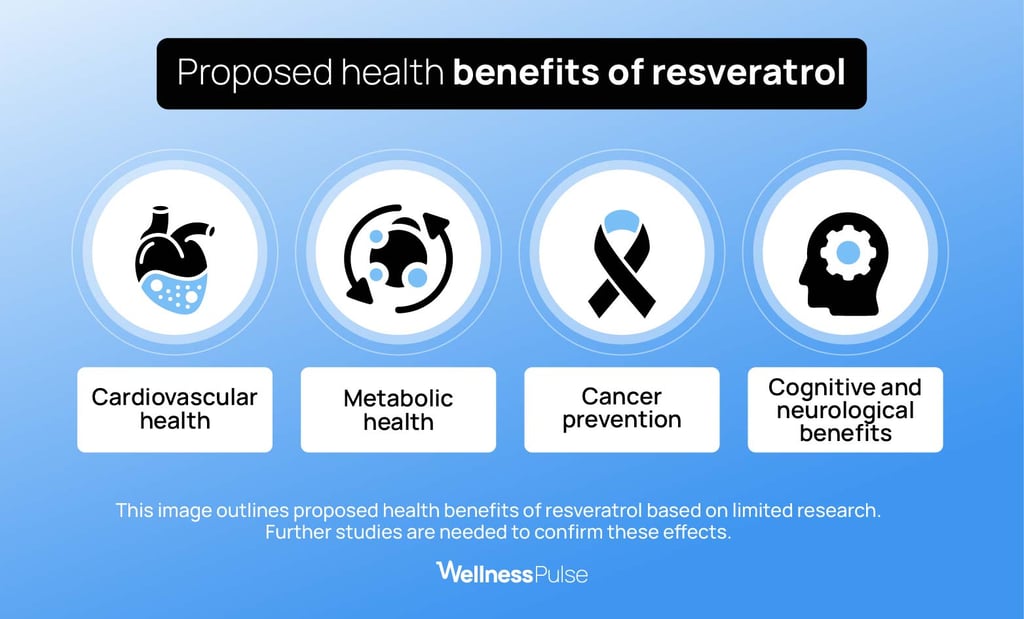
Cardiovascular health
Endothelial cell function and their ability to produce nitric oxide (NO) are essential to blood pressure control and overall cardiovascular health and function. NO modulates several physiological functions and has a significant role in blood pressure control. It acts as a vasodilator, aka relaxes and dilates the blood vessels, thus lowering blood pressure.
Free radicals and oxidative stress are major factors that can impair endothelial cell function. Resveratrol’s antioxidant properties may allow the compound to scavenge free radicals or trigger other pathways that do so, reducing oxidative stress and cell damage. However, most of the research on cardioprotective benefits comes from animal heart cell studies, which may not directly translate into human health.
C-reactive protein (CRP) is an inflammatory marker associated with cardiovascular disease. Pooled results of a meta-analysis of 35 randomized clinical trials showed that resveratrol supplementation significantly reduced serum levels of CRP and high-sensitivity CRP (hs-CRP), which is a more precise test for inflammation levels. The results of this study showed that supplementing for longer than 10 weeks significantly reduced hs-CRP, while doses of more than 500 mg daily improved CRP levels, suggesting that resveratrol may help reduce one of the key inflammatory markers involved in heart disease.
Another meta-analysis of six studies found that resveratrol supplements cannot significantly reduce overall blood pressure. However, subgroup analysis revealed that resveratrol doses of more than 150 mg daily lowered systolic blood pressure in a few studies. This highlights the importance of further studies examining optimal doses for lowering blood pressure while considering side effects.
A meta-analysis of 31 articles found that supplementing with resveratrol significantly decreased total cholesterol. However, no significant improvements were seen in triglyceride levels, high-density lipoprotein (HDL) or low-density lipoprotein (LDL) cholesterol levels, and other blood markers. This indicates that resveratrol supplements may improve cholesterol levels to some extent and thus reduce the risk of atherosclerosis, but more research is needed.
Resveratrol supplements have some evidence for reducing the risk factors for heart disease, but most are from animal or cell studies. Human clinical trials have reported mixed results so far. Resveratrol’s antioxidant properties may have a small beneficial effect on heart health, but if you have serious concerns, I would encourage you to consult your doctor. Managing blood pressure and cholesterol levels requires dietary, lifestyle approaches, or even medication, and is unlikely to be improved with supplements alone.
Metabolic health
Like most supplements, the effects of resveratrol are often marketed for metabolic benefits, primarily blood glucose control, insulin sensitivity, and weight loss.
A meta-analysis of 11 studies found that resveratrol supplementation significantly reduced fasting blood glucose, circulating insulin, and insulin resistance in participants with diabetes. However, no significant effects were seen in studies on healthy subjects.
A meta-analysis of 19 studies saw minor improvements in waist circumference in three studies on participants with obesity, but no significant weight loss was observed. However, another meta-analysis of 36 studies found that resveratrol significantly decreased body weight, body mass index, fat mass, and waist circumference, more so in people with obesity than those with type 2 diabetes.
The science of resveratrol and weight loss is quite contradictory, primarily due to different study designs, dosage, adherence, and other factors involved in weight loss. Ultimately, weight loss is mainly determined by adherence to a calorie deficit, but factors like insulin sensitivity can also have an impact. Thus, it would be best to consult with a doctor or a nutritionist to develop an actionable and sustainable plan to reap long-term benefits rather than relying on the effects of resveratrol.
Cancer prevention
Several in vitro and animal studies suggest that resveratrol administration may have anti-cancer properties due to its antioxidant and anti-inflammatory activity. It is also believed to promote cell death, remove cancer cells, and inhibit cancer cell growth. The studies have found resveratrol to be effective on most types of cancer, possibly due to activating or deactivating numerous cellular pathways involved in cancer progression. However, the mechanisms of action are hypothesized from cell and animal studies and may not work the same in the human body.
While such studies suggest that resveratrol may be worth considering as a complementary supplement to cancer treatment, no human studies have looked into this. Furthermore, no compound or supplement can treat or prevent cancer, as it is influenced by numerous environmental and lifestyle factors, as well as genetic predisposition. If you have been diagnosed with cancer, it is essential to follow the treatment provided by your healthcare team. You should discuss with your doctors if taking resveratrol may be beneficial.
Cognitive and neurological benefits
Resveratrol has been studied for neuroprotective properties due to its anti-inflammatory and antioxidant properties. Inflammation and oxidative stress tend to increase as we age and contribute to cognitive decline, impaired brain cell function, and neurodegenerative disease.
Animal and in vitro studies have shown that the compound may have neuroprotective and brain health-boosting properties. Some studies even looked at resveratrol’s potential in treating Alzheimer’s disease, but the evidence is limited and not conclusive so far. Resveratrol may positively affect several signaling pathways and gene expression to elicit beneficial effects, but these benefits are currently not studied or proven in human clinical trials.
A meta-analysis of 10 studies on healthy human subjects concluded that three randomized controlled trials saw significant improvements in cognitive function and mood with resveratrol supplementation. However, two studies saw mixed results, and five did not find any substantial improvements. The cumulative results suggest that resveratrol currently does not have strong scientific evidence to back up its cognitive benefits in humans.
The research is contradictory regarding the neuroprotective and cognitive benefits of resveratrol. Animal and cell studies have shown promising results, but the same effects do not seem to happen in humans, possibly due to poor bioavailability, different physiology, and required doses. I would also add that brain health and cognitive decline are very complex and influenced by many external factors and genetics. Antioxidants may help with it a bit, but you must also pay attention to things like sleep, stress, and lifestyle.
Researcher insights
I asked our in-house researcher, Alifia Fernandes Jokubauskienė, a qualified clinical pharmacist with experience across diverse settings, for some insights.
She says, "One important note I would like to add is that while resveratrol has shown some potential benefits in conditions like cancer, there can also be downsides. In fact, some studies suggest that resveratrol is a phytoestrogen, which means it’s an estrogen-like substance found naturally in some plants. Therefore, there are concerns that resveratrol may have adverse effects in conditions that are worsened by exposure to estrogen.”

It is easy to get caught up when supplements are advertised to have bold claims that are appealing, especially for those who are vulnerable and have severe and chronic health conditions. This is exactly why health decisions should be made with caution and proper guidance. When it comes to supplements, working with your healthcare provider ensures you're making the safest and most informed choice.
Choosing resveratrol supplements
Supplement formulation
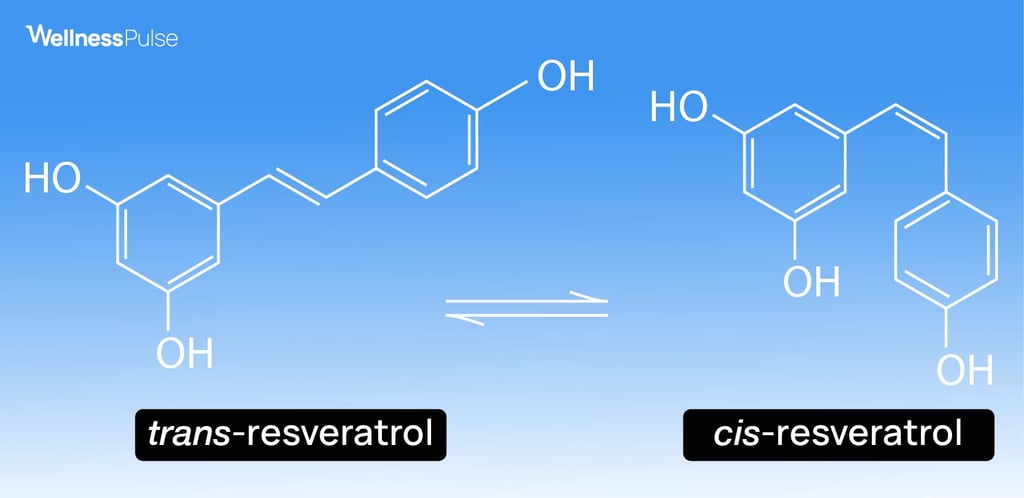
Resveratrol has two chemical forms: cis and trans — while both have different biological properties, supplements are usually made from trans-resveratrol as it is more stable and bioavailable. For supplements, resveratrol is most commonly derived from Asian Polygonum cuspidatum or red grape skin due to its high concentration. Supplements come in an oral format, usually capsules.
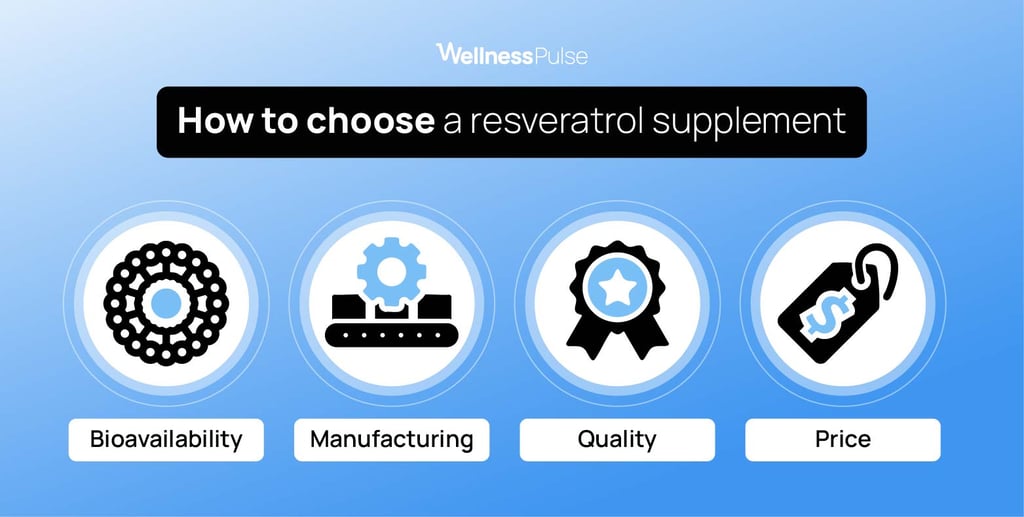
Here are some things you may want to pay attention to when choosing a resveratrol supplement:
- Bioavailability. Resveratrol has a low bioavailability, but liposomal products or formulas that include black pepper extract, often labeled as BioPerine®, may improve it.
- Manufacturing. FDA-registered and cGMP-certified facilities ensure supplements are manufactured in compliance with the highest quality standards.
- Quality. Look for third-party testing certificates to ensure adherence to the label.
- Price. Resveratrol supplement prices vary widely, but more expensive does not mean better. Look at the price per serving and prioritize quality.
Recommended daily dosage
There is a lack of consensus regarding the optimal dose for resveratrol, but most studies have used 1–2.5 mg a day. While some have used higher doses, they may cause side effects and are not generally recommended.
Due to the lack of research and human clinical trials, there are no usage recommendations either. Instead of opting for supplements, you may want to try consuming more dietary resveratrol sources, which include grapes, peanuts, cocoa, and other berries. While red wine is sometimes promoted as being rich in resveratrol, I would not advise alcohol consumption for wellness purposes.
Potential side effects and interactions
Resveratrol is generally well-tolerated by healthy individuals when taken in doses of up to 1.5 g per day short term. Doses higher than 2.5 mg per day may cause gastrointestinal side effects:
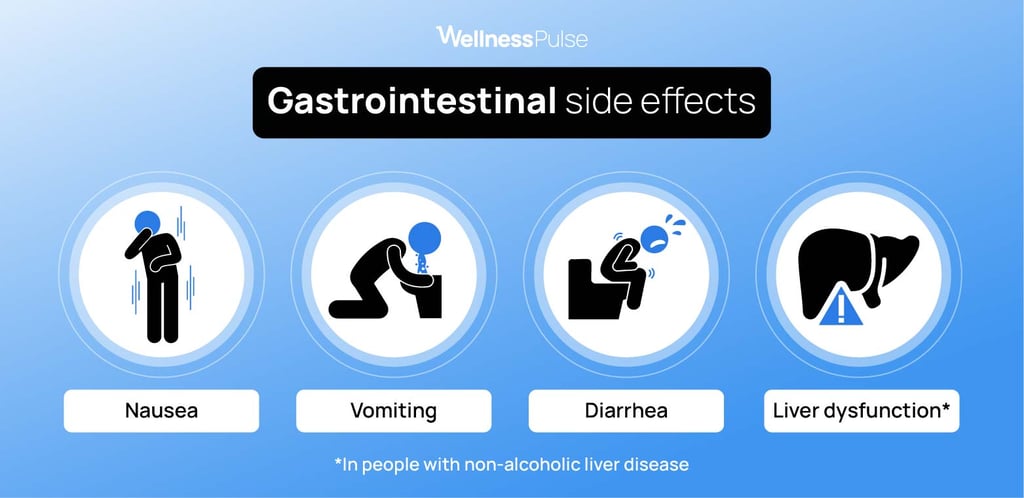
People who are on anticoagulant drugs should avoid it, as resveratrol has some blood-thinning effects. It is advised to stop using resveratrol two weeks before any scheduled surgery for the same reason.
Due to limited research on whether resveratrol cross-reacts with other medications or conditions, it is best to consult your doctor if you have any doubts.
Bottom line
Resveratrol is an antioxidant studied for its potential health benefits. It has the potential to help with blood glucose balance and insulin resistance, lower blood pressure, and offer some neuroprotective and cognitive benefits. However, most evidence on the effects of resveratrol comes from animal studies, with contradictory results being seen in human clinical trials.
Animal and in vitro studies have also found it to have some potential anti-cancer properties and have suggested that it may have potential as a cancer chemopreventive agent, but no such evidence has been tested in human clinical trials.
Overall, I see resveratrol as a supplement that has antioxidant and anti-inflammatory properties in animals but lacks convincing evidence in human trials. If you already have diet, exercise, stress management, sleep, and other lifestyle factors in check, supplementation with trans-resveratrol may give you that extra boost, but it will not replace the key pillars of health. The statement that red wine is good for you because it is high in resveratrol always amuses me. We all wish alcohol came with benefits and not a hangover, but we all know how it is.
FAQ
Is resveratrol toxic to the liver?
Resveratrol is not generally toxic to the human liver, but studies have suggested doses higher than 2.5 g a day may cause liver dysfunction in people with non-alcoholic liver disease.
Does resveratrol increase metabolism?
Some research suggests that resveratrol can increase fatty acid metabolism in aged mice, but there is no evidence in human research.
When is the best time to take resveratrol for weight loss?
Resveratrol's weight loss benefits are controversial, and there is no proof of the best time or dose to achieve them.
16 resources
- Frontiers in Plant Science. Resveratrol oligomers, plant-produced natural products with anti-virulence and plant immune-priming roles.
- Molecules. Anti-inflammatory action and mechanisms of resveratrol.
- Current Vascular Pharmacology. The role of nitric oxide on endothelial function.
- Nutrients. Resveratrol and cardiovascular diseases.
- Phytotherapy research. Effect of resveratrol on C-reactive protein: an updated meta-analysis of randomized controlled trials.
- Clinical Nutrition Effect of resveratrol on blood pressure: a meta-analysis of randomized controlled trials.
- Lipids in Health and Disease. The effects of resveratrol on lipid profiles and liver enzymes in patients with metabolic syndrome and related disorders: a systematic review and meta-analysis of randomized controlled trials.
- The American Journal of Clinical Nutrition. Effect of resveratrol on glucose control and insulin sensitivity: a meta-analysis of 11 randomized controlled trials.
- Clinical Nutrition ESPEN. What is the effect of resveratrol on obesity? A systematic review and meta-analysis.
- Clinical Reviews in Food Science and Nutrition. The effects of resveratrol intake on weight loss: a systematic review and meta-analysis of randomized controlled trials.
- Nutrients. Resveratrol for weight loss in obesity: an assessment of randomized control trial designs.
- Nutrition Reviews. Effect of resveratrol supplementation on cognitive performance and mood in adults: a systematic literature review and meta-analysis of randomized controlled trials.
- Nature. Role of neuroinflammation in neurodegeneration development.
- Frontiers in Pharmacology. Resveratrol and neuroprotection: impact and its therapeutic potential in Alzheimer's disease.
- Biomedicines. Resveratrol: a double-edged sword in health benefits.
- Biomedicine & Pharmacotherapy. Resveratrol shifts energy metabolism to increase lipid oxidation in healthy old mice.






Your email will not be published. All fields are required.