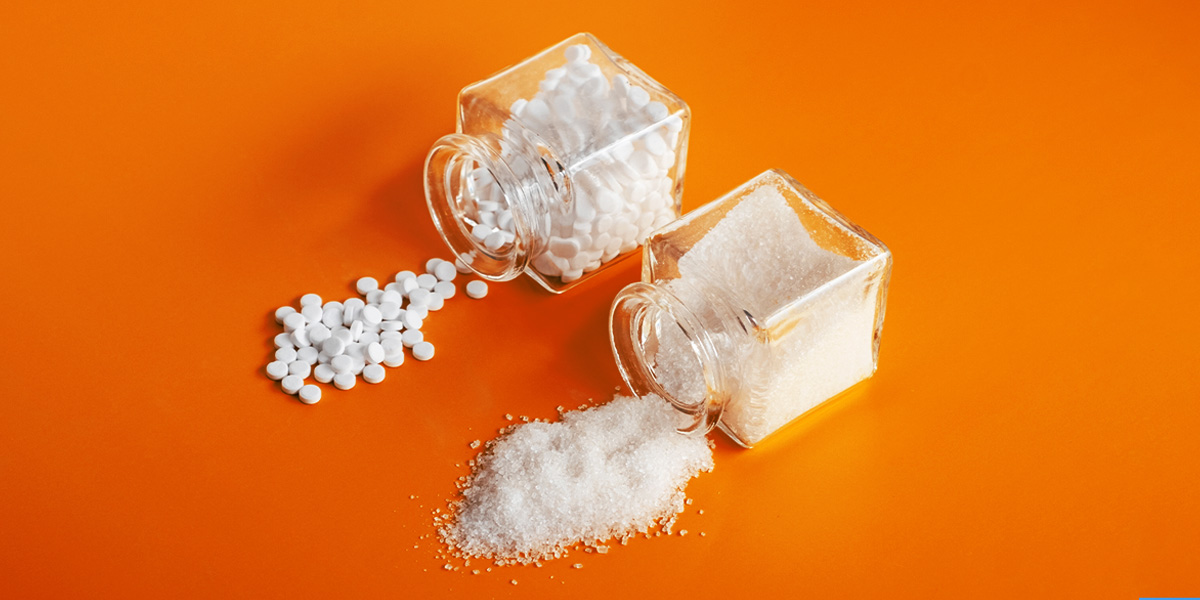
Simple table sugar nowadays can be found in many commonly used foods, including various snacks and beverages. While we all experience sweet cravings, there is a growing awareness that long-term excessive sugar intake may contribute to the increased risk of developing some chronic health problems, including obesity, type 2 diabetes, and even dental issues.
This awareness has driven many people to seek alternatives — sweeteners that can satisfy cravings without added calories and the same health associations as sugar. But with a dizzying variety of sugar substitutes available, how can you know which ones are worth trying and which should be approached with some caution?
Read on and explore the most common sugar substitutes from all angles: science, safety, impact on health, and regulatory insights.
-
Sugar substitutes come in various forms, including artificial sweeteners, natural non-caloric sweeteners, and sugar alcohols. Regulatory authorities have approved many substitutes as safe within recommended limits, but ongoing research continues to reveal complexities.
-
Some of the sugar substitutes are claimed to contribute to weight management, blood sugar control, and dental health when used appropriately and within recommended limits.
-
Like with regular table sugar, overreliance or excessive consumption of sugar alternatives may cause certain side effects or unintended adverse effects. The best approach is a balanced use of well-studied substitutes combined with efforts to reduce overall sweetener preference and focus on whole foods.
Why are people reducing sugar?
Added sugars, usually found in highly processed drinks and foods like sodas and sweets, have been identified as one of the factors contributing to the rising rates of obesity and metabolic conditions globally.
The World Health Organization (WHO) recommends that free sugars (those added during processing or found in honey, syrups, or fruit juices) should comprise less than 10% of total daily energy intake, with an ideal target below 5% for overall long-term health support. Similar recommendations are set by the American Dietary Guidelines and other authorities.
Research also shows that, beyond contributing to weight gain and increased risk of type 2 diabetes, excessive and regular intake of added sugar, without proper dental hygiene, may increase the risk of dental cavities, especially in children.
For many of us, the challenge is reducing the added simple table sugar without sacrificing the sweet flavors we may enjoy daily, creating demand for alternatives that provide sweetness without calories or the same metabolic effects.
Types of sugar substitutes explained
Sugar substitutes may be categorized into a few broader types, each one having distinct properties, potential impacts on health, and general considerations.
Non-nutritive artificial sweeteners
Non-nutritive artificial sweeteners are synthetic compounds that provide intense sweetness with virtually no calories.
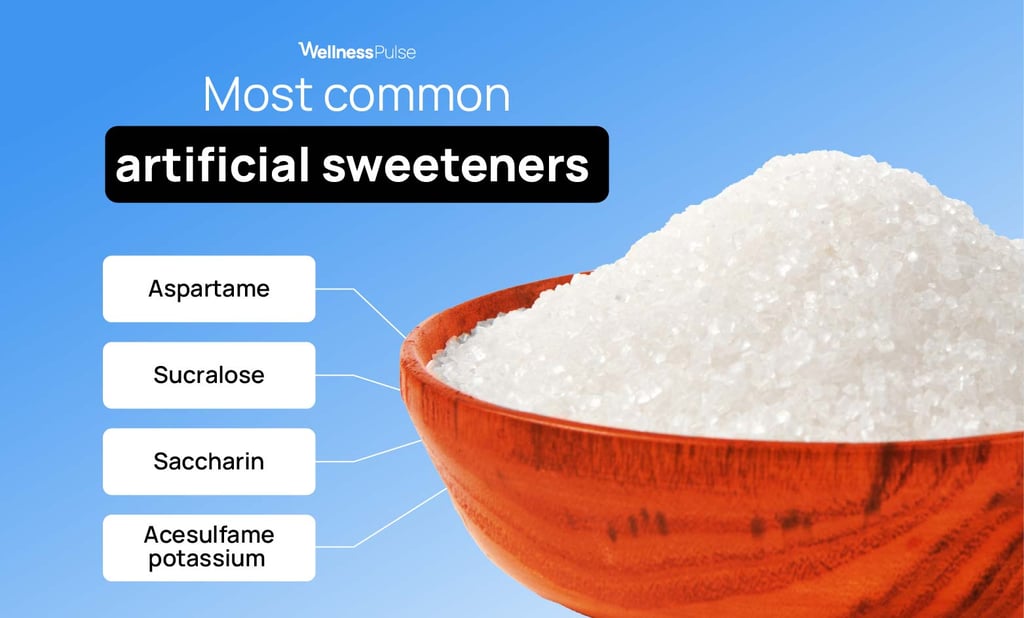
- Aspartame. About 200 times sweeter than sugar and commonly found in products such as diet sodas or low-calorie packaged snacks.
- Sucralose. Approximately 600 times sweeter than sugar. Because the sweetener is quite stable when exposed to heat, sucralose is often used in baked goods.
- Saccharin. Around 300–400 sweeter than simple table sugar and quite broadly used in various products; it was especially popular to sweeten beverages like tea.
- Acesulfame potassium. Around 200 times sweeter but is often used in combination with other sweeteners in soft drinks and snacks.
Some controversy from the research side has been raised in terms of certain synthetic sweeteners. For example, while most of the synthetic sweeteners approved for use in food items are generally recognised as safe (GRAS) by the U.S. Food and Drug Administration (FDA) and evaluated by the European Food Safety Authority (EFSA) with acceptable daily intake, some of the sweeteners were recognised as potentially having a negative impact on health long-term.
For example, aspartame was reclassified by the International Agency for Research on Cancer (IARC) as potentially carcinogenic to humans, but only at very high intake levels far exceeding typical human consumption.
Also, some studies suggest that artificial sweeteners may alter gut microbiota or stimulate appetite. However, for now, there is insufficient scientific evidence to know the long-term impact of these sweeteners on health. More rigorous human research is needed to understand the potential impact of artificial sweeteners on metabolic or gut health.
Natural non-nutritive sweeteners
Natural non-nutritive sweeteners are derived from plants and often perceived as ‘healthier’ alternatives. Some of the most popular sweeteners include stevia and monk fruit extract.
Both of these natural sweeteners are considered around 150–300 times sweeter than regular table sugar and usually tend to be found in more ‘natural’ or ‘organic’ packaged foods. Also, both of these sweeteners are not only widely used but also recognised as generally safe by the regulatory authorities.
However, it’s worth noting that although considered ‘natural,’ these sweeteners still undergo processing to isolate sweet components from the plants, so balance is still key in a healthy diet.
Sugar alcohols (polyols)
Polyols occur naturally in fruits and certain vegetables and are commonly used in a lot of sugar-free gums, candies, and baked goods.
Some of the examples of sugar alcohols include erythritol, sorbitol, maltitol, and xylitol. It is suggested that sugar alcohols may have a lower glycemic index and fewer calories than regular table sugar.
However, some concerns have been raised from research that certain polyols in high intakes may increase the risk of excessive bloating, gas, or loose stools, especially in more sensitive individuals.
Why do people use sugar alternatives instead of regular sugar?
Some sweeteners have been claimed to actually impact certain health parameters positively.
Weight management
Naturally, since most sugar substitutes provide sweeteners without the calories, theoretically, if you’re in a calorie deficit, these sweeteners may contribute to weight management by reducing total energy intake, especially for those who heavily rely on highly processed foods and drinks.
However, evidence is mixed. Some meta-analyses show minimal weight benefits when replacing, for example, sugary beverages with low-calorie sweetener beverages. However, other studies argue that artificial sweeteners in particular may contribute to the obesity epidemic.
So, the key appears to be using sugar substitutes as part of an overall calorie-controlled diet rather than as a license to consume unlimited sweet-tasting foods.
Blood sugar control
For those who need to limit added sugar — not just for long-term health maintenance, but also due to medical conditions like type 2 diabetes — sugar substitutes can provide sweetness without significantly raising blood glucose levels.
Unlike sugar, artificial and natural non-nutritive sweeteners may have minimal impact on insulin and glucose levels. Also, while polyols (sugar alcohols) vary, they are also considered to have a lower glycemic index.
This makes such sweeteners a helpful tool in glycemic management when used appropriately in a healthy and balanced diet.
Oral health
Some research suggests that sugar may have an impact on oral health, especially by ‘feeding’ certain oral bacteria, which contributes to cavities.
Meanwhile, it is theorized that certain sugar substitutes, specifically sugar alcohols such as xylitol, may help inhibit these bacteria or contribute to binding calcium for teeth remineralization, supporting oral health in this way. This is why xylitol is often used in chewing gum or even toothpaste.
Of course, it all still depends on general oral hygiene, and the contribution of simple table sugar to cavity occurrence usually depends on the frequency of sugar intake, not solely the daily amount of intake.
Sugar substitute considerations
While many sugar substitutes are considered safe when consumed within recommended limits, there are important caveats.
While the FDA and the EFSA approvals of sugar substitutes are based on rigorous toxicological data, the recommended limits should not be viewed as consumption goals. Excessive intake can still cause adverse allergic events in more sensitive people.
Moreover, certain sweeteners may contribute to digestive issues if consumed in excess. These digestive issues may include bloating, gas, and diarrhea, especially in people with irritable bowel syndrome (IBS).
Finally, while it is suggested that most sweeteners are generally considered safe within limits for children, too, long-term effects on taste preference development, metabolism, and gut health are not yet well studied and established. For this reason, it’s advisable for children to limit both sugar and sugar substitutes overall in a healthy and balanced diet.
Which sugar alternatives to choose?
So, we have discussed the most common types of sugar alternatives, ranging from those considered ‘artificial’ to the natural ones.
With so many sugar substitutes on the market, it can be challenging to know which ones may be ‘better’ choices.
While all widely available sweeteners are generally considered safe, stevia and monk fruit extract — as ‘natural’ alternatives to non-nutritive sweeteners — are suggested not to raise blood sugar or insulin levels, or to have only a minimal impact. This makes them a potential option for people with blood sugar issues or those trying to manage their weight. Similarly, erythritol and xylitol, as sugar alcohols, are also considered to have minimal impact on blood sugar.
In one of his YouTube videos, Dr. Steven Gundry says: “While stevia has been one of my favorite sweeteners for a while, it may still have some minimal impact on blood sugar and gut microbiome in more sensitive people. However, monk fruit extract still remains one of my favorite sweeteners for providing the right amount of sweetness and being a versatile alternative without having any impact on blood sugar.”
At the end of the day, sugar alternatives, even those ‘better’ versions, should still be used in moderation as the general recommendations suggest. The recommendations themselves do not focus on finding alternatives as much as trying to reduce overall sugar intake. Let’s explore some of the tips on how to cut down on sugar.
Practical tips for reducing sugar
While natural non-nutritive sweeteners, such as stevia or monk fruit extract, or sugar alcohols, may be an option to choose when trying to reduce your daily sugar intake, there are other tips that may help you.
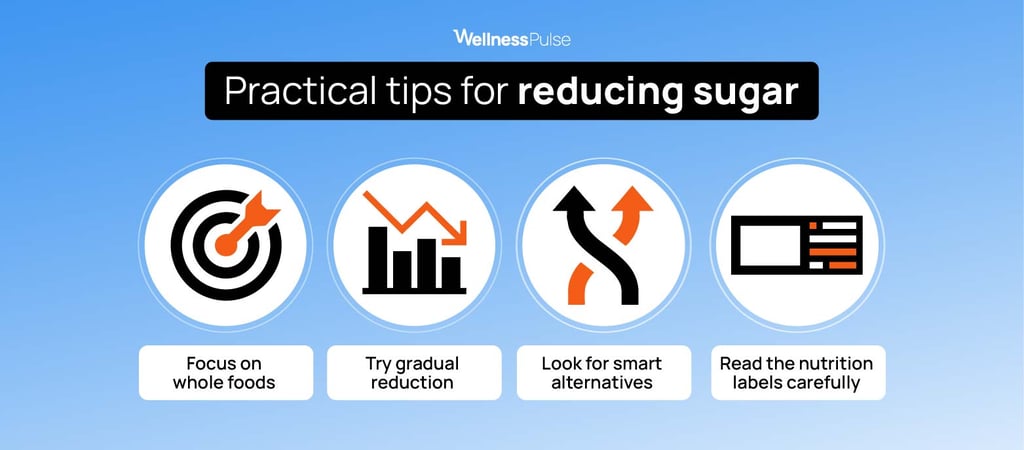
- Focus on whole foods. Choose fruits, vegetables, and whole grains to satisfy your sweet cravings and regulate your satiety and hunger cues naturally.
- Focus on gradual reduction. Decreasing sweetness preference over time helps reset your palate and makes the process a little easier from a psychological perspective, rather than drastically cutting out all sweets.
- Look for smart alternatives. Look for homemade recipes of your favorite treats that use sugar substitutes or opt for versions that may contain natural non-nutritive sweeteners.
- Read the nutrition labels carefully. Added sugar hides in various non-sweet products as well as under many names, including maltose, dextrose, and syrups. Always choose products with the lowest sugar content per serving on the nutrition label.
Most importantly, make sure to follow a healthy and balanced diet that meets your body’s and personal dietary needs and goals. A diet, which is based on a variety of whole foods, lean protein sources, healthy fats, and complex carbohydrates, may help to ease the transition to less highly processed foods that tend to be higher in sugar.
Bottom line
Sugar alternatives can offer a helpful way to reduce added sugar intake, particularly for those managing weight and blood sugar. Among the available options, natural non-nutritive sweeteners like stevia and monk fruit extract, along with some sugar alcohols, are often considered better-tolerated options when used within recommended limits.
However, even the ‘better’ sugar alternatives should not be overused. The ultimate goal is not to replace sugar with other sweeteners entirely, but to shift toward a diet less dependent on sweetness overall.
Prioritizing whole foods, reducing sweetness gradually, and staying mindful of labels can support a sustainable, health-focused approach to sweetness.
FAQ
Is stevia better than artificial sweeteners?
Stevia is considered a natural non-nutritive sweetener and is generally well tolerated by many people. Since both stevia and artificial sweeteners have their own pros and cons, the most important aspect is your individual tolerance and preference for making the choice.
Should children consume sugar substitutes?
Limited evidence exists on the long-term effects of sugar substitute consumption in children. While some may be consumed in small amounts, the general recommendations for children encourage limiting highly processed foods, which include all sweeteners and sugars, and instead focusing on a balanced diet.
Are artificial sweeteners safe?
Artificial sweeteners are considered generally safe when consumed within established acceptable daily intake (ADI) levels set by health authorities. However, overuse and overreliance may have some adverse effects in more sensitive people and may displace healthier habits, like reducing the overall preference for sweetness. This is why it's generally recommended to use any sweetener in moderation, limit highly processed foods, and focus on whole foods.
25 resources
- USDA. Dietary guidelines for Americans.
- ADA. Practical strategies to help reduce added sugars consumption to support glycemic and weight management goals.
- Digestive Diseases and Sciences. Coffee, alcohol, and artificial sweeteners have temporal associations with gastrointestinal symptoms.
- Cureus. The impact of artificial sweeteners on human health and cancer association: a comprehensive clinical review.
- Physiology & Behavior. The safety and regulatory process for low-calorie sweeteners in the United States.
- International Journal of Environmental Research and Public Health. Amount and frequency of added sugars intake and their associations with dental caries in United States adults.
- Applied Microbiology and Biotechnology. Health benefits of xylitol.
- Health Promotion Perspectives. Dietary free sugar and dental caries in children: a systematic review of longitudinal studies.
- European Journal of Clinical Nutrition. Glycemic impact of non-nutritive sweeteners: a systematic review and meta-analysis of randomized controlled trials.
- Current Gastroenterology Reports. The association between artificial sweeteners and obesity.
- Obesity Reviews. Substitution of sugar-sweetened beverages with non-caloric alternatives and weight change: a systematic review of randomised trials and meta-analysis.
- International Journal of Advanced Academic Research. Current developments in sugar alcohols: chemistry, nutrition, and health concerns of sorbitol, xylitol, glycerol, arabitol, inositol, maltitol, and lactitol.
- European Food Research and Technology. Sugar alcohols - their role in the modern world of sweeteners: a review.
- FDA. GRAS exemption claim for stevia leaf extract.
- Journal of Pharmacy Research. Natural sweeteners: a complete review.
- Current Research in Nutrition and Food Science. The battle of natural sweeteners: a comprehensive guide to monk fruit and stevia.
- Food & Function. A rational review on the effects of sweeteners and sweetness enhances on appetite, food reward, and metabolic/adiposity outcomes in adults.
- Diseases. Artificial sweeteners: a double-edged sword for gut microbiome.
- WHO. Aspartame hazard and risk assessment results released.
- EFSA. Sweeteners.
- FDA. High-Intensity sweeteners.
- Macedonian Journal of Medical Sciences. Sugar substitutes: mechanism, availability, current use and safety concerns - an update.
- Dental Clinics of North America. Added sugar and dental caries in children: a scientific update and future steps.
- WHO. WHO calls on countries to reduce sugars intake among adults and children.
- Nutrition Reviews. Systematic review of the evidence for an association between sugar-sweetened beverage consumption and risk of obesity.





Your email will not be published. All fields are required.