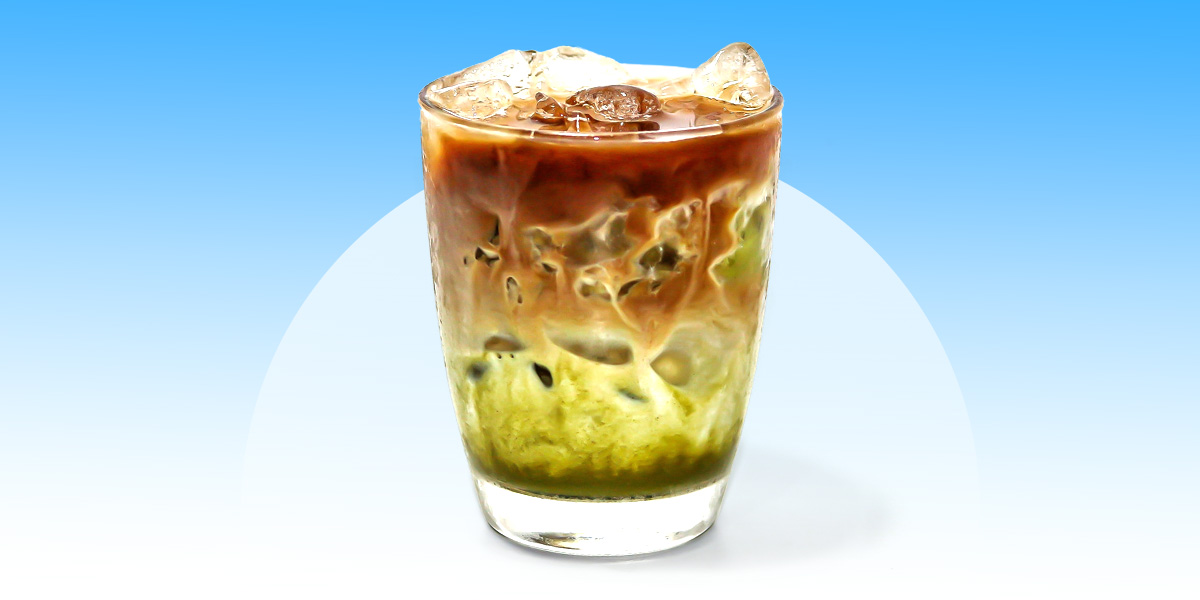
Traditional latte, matcha latte, ice caramel latte, iced strawberry matcha latte, and so on, so on. In the world of monthly viral latte drinks, we have a new contestant in the house: the Hojicha latte.
With its rich, nutty flavor, minimal caffeine, and soothing aroma, this Japanese roasted green tea is quickly becoming a favorite for those seeking a cozy drink, especially when limiting or trying to avoid caffeine. Oh, and of course, the antioxidants.
Whether sipped hot or iced, Hojicha's unique appeal lies not just in its taste but in the calming ritual that nourishes both body and mind. So, is Hojicha latte set to become the next must-have wellness trend? Let’s find out!
-
Hojicha is a type of roasted green tea originating in Japan.
-
The roasting process removes the majority of the caffeine, but most of the antioxidants remain.
-
Hojicha preparation is pretty easy, and it can be enjoyed hot or cold.
What is a Hojicha?
Hojicha is Japanese roasted green tea. You can think of it as a more relaxed, earthy, and sweet cousin to matcha. It is made from green tea leaves as well, but instead of being shaded like in matcha, to make Hojicha tea, the leaves are roasted. The process of roasting the leaves significantly reduces the caffeine content, but retains the benefits of green tea.
Hojicha can be bought as loose-leaf tea or as a powder for making lattes or other drinks.
What does it taste like?
Due to the roasting process, Hojicha does not have the bitterness of matcha but instead a sweet and pleasant aroma, with nutty, earthy, and toasty flavors. There are also some cocoa and caramel notes. So, this drink is palatable for coffee lovers, those wanting a comforting drink similar to cocoa, and tea enthusiasts.
Creamy and nutty kinds of milk, like oat, soy, or cow, reveal and complement the flavors. You may also want to consider how well the milk froths.
Hojicha latte recipes
Whether you want a hot or cold drink, the process starts with whisking a teaspoon of Hojicha powder with a bit of water. A traditional bamboo whisk would be best to ensure a smooth and foamy result, but you can also use an electric frother or a spoon. 176ºF (80°C) water is recommended, but if you will be making a cold latte, room-temperature water also works.
Hot Hojicha latte
- Whisk the Hojicha powder with some 176ºF (80°C) water
- Stir in optional sweetener (maple syrup enhances the flavors of Hojicha best)
- Add steamed or frothed milk
Cold Hojicha latte
- Whisk the Hojicha powder with some room-temperature water
- Stir in optional sweetener (maple syrup enhances the flavors the most)
- Pour over ice
- Pour cold milk of choice
*Some people prefer pouring Hojicha over ice first, then adding milk; this allows them to better regulate how much milk they want to add.
@emwada Replying to @Icecream_love🫶 here’s how to make the perfect hojicha latte at home 🤎 ive been craving hojicha a lot more recently and this recipe is perfection ____ #hojicha #hojichatok #homecafe #hojichalatte #houjicha #hojichapowder how to make a hojicha latte, best hojicha latte #hojicharecipe #easyrecipes #emscafe #hojichalover #hojichatea ♬ original sound - emily
To adjust the strength of Hojicha, experiment with the amount of powder used and the water-to-milk ratio.
Variations
Like matcha and traditional coffee drinks, there are essentially unlimited variations when it comes to flavors. Syrups, flavored kinds of milk, fruits, and other variations can work with Hojicha, so do not be afraid to experiment. However, always start by whisking the powder with water. Here are some ideas to get you started:
- Kyoto fog. Add syrup instead of maple syrup and enjoy a cozy hot drink or a refreshing iced one.
- Iced strawberry Hojicha latte. Dice a couple of strawberries and add to a bowl with a teaspoon of sugar, and let sit for 15–30 minutes until they release their natural juices. Then, lightly mash them and add to a tall glass. Add ice, pour milk, and lastly, add the Hojicha-water mix. Not only does it scream summer, but the layered drink also looks great in photos.
- Hojicha hot chocolate. Mix Hojicha powder with cocoa and then follow the steps of making a classic latte.
- Different sweeteners. While maple syrup is preferred by many, experiment with honey, brown sugar syrup, dates, or even coconut sugar.
- Different milks. When making a cold latte, the freshness of milk is irrelevant, so maybe try adding coconut milk or flavored milk like banana or chocolate. You can even add a high-protein flavored milk to get a nutritious snack, too.
What are the benefits of Hojicha?
Hojicha is made from green tea, so it shares some of its benefits and some unique ones.
1. Low caffeine
Roasting green tea leaves at high temperatures to make Hojicha burns away the bitterness and the caffeine, making the drink suitable for those sensitive to caffeine or wanting to enjoy it any time of day.
However, Hojicha still contains small amounts of caffeine, around 7.7 mg per cup. For most people, this does not interfere with sleep, but if you are particularly sensitive to caffeine, you may want to avoid it too close to bedtime.
2. Antioxidant rich
Caffeine degrades more easily in high temperatures than antioxidants, so Hojicha maintains an antioxidant profile similar to green tea. However, it contains fewer catechins than non-roasted green tea.
Hojicha still contains a decent amount of catechins and is rich in polyphenols, gallic acid (a secondary product of catechin), flavonoids, chlorophyll, and vitamins C and B. All these compounds are known for their antioxidant and anti-inflammatory properties. The precise amounts will vary depending on the type of tea, harvest time, preparation method, strength, and other factors.
3. May promote relaxation
Hojicha tea contains a non-protein amino acid L-theanine, which may help promote calm, reduce stress, and boost cognition.
L-theanine can cross the blood-brain barrier and bind glutamate receptors, exerting relaxing effects. However, most studies stem from animal models using purified L-theanine, and the understanding of its efficacy in humans is limited.
A study of 30 healthy participants found that consuming 200 mg of L-theanine daily for four weeks significantly improved executive function, reduced sleep latency and disturbance, and reduced the use of sleep medication, suggesting a reduction in stress-related symptoms.
Many people have switched from coffee to matcha because matcha contains L-theanine, which boosts cognition without the jitters. However, actual scientific evidence in humans on the relaxing effects of L-theanine is lacking.
4. May aid digestion
In Japan, Hojicha is traditionally consumed after meals, as it is believed to reduce bloating and soothe the digestive system. There are no scientific studies looking at that, but it is believed to be due to the antioxidant and inflammatory effects.
Despite scientific evidence, Japanese tea culture promotes slowing down and relaxing, and may improve digestion by activating the parasympathetic nervous system.
5. May support the immune system
Hojicha’s antioxidant profile may help support the immune system, as antioxidants fight free radical damage and have anti-inflammatory properties.
A literature review found that green tea antioxidants can impact both innate and adaptive immune systems, promoting beneficial activity but suppressing inflammatory and allergic responses. It was also found that the antioxidants, especially polyphenols, may support gut health. However, the majority of the evidence comes from in vitro and animal studies.
Furthermore, there are no studies looking precisely at the immune-boosting effects of Hojicha.
The main benefit of Hojicha remains its high antioxidant and minimal caffeine content. People who enjoy the flavor praise it as an alternative to coffee or matcha later in the day or even the evening when they want something similar in taste but not the caffeine.
Is Hojicha latte better than coffee and matcha?
Whenever a new healthy drink is introduced, the media tends to hype it up as the latest trend, similar to how matcha was portrayed as being better than coffee. Although Hojicha is still relatively unknown, it could soon be seen as the next matcha. However, it’s important to note that while these drinks are related, they differ in caffeine content and are not substitutes for one another.
Let’s compare Hojicha to coffee and matcha.
| Hojicha | Coffee | Matcha | |
| Caffeine content per cup | ~7–15 mg | ~95 mg | ~7–15 mg |
| Antioxidants | Lower antioxidant content than matcha due to roasting Still contains catechins, polyphenols, and gallic acid | Lower antioxidant than matcha Contains chlorogenic acid and polyphenols | Very high in antioxidants Contains catechins, chlorophyll, flavonoids, quercetin, vitamin C, beta-carotene, vitamin E, and other polyphenols |
| Taste | Smoky, nutty, roasted, mellow flavor Naturally sweet with earthy undertones | Heavily depends on the bean type and roast Usually bitter, with nutty, caramel, chocolate, or berry notes | Vegetal, umami, slightly bitter, with sweet undertones Rich and creamy when whisked |
| Health benefits | May promote relaxation Antioxidant benefits May reduce inflammation | Energy and mental alertness boost due to high caffeine In moderate amounts may reduce the risk of heart disease and type 2 diabetes | High in antioxidants, which may support immunity, metabolism, and skin health Provides calm energy and boosts focus due to the caffeine and L-theanine combination |
| Pros | Suitable for individuals sensitive to caffeine Can be consumed at any part of the day Unique flavors | Strong and quick energy boost Available worldwide in a variety of preparations Affordable | High in nutrients and antioxidants Provide stable energy |
| Cons | Limited availability outside Japan Lower in antioxidants than matcha Can inhibit iron absorption | May cause jitteriness May disturb sleep May be acidic or harsh on the stomach for some | May be unsuitable for people very sensitive to caffeine Limited availability Good quality can be expensive May cause nausea for some It can have a grassy or fishy aftertaste if prepared poorly Can inhibit iron absorption |
Coffee is the beloved energy-boosting drink worldwide, with many countries having deep coffee cultures. Matcha is deep in the Japanese culture and stands out for its antioxidant benefits and stable energy, but the taste is not for everyone, and the availability is still limited compared to coffee. Hojicha sounds amazing and can be had even in the evening, but many stores and countries do not even have it. Ultimately, the best drink for you depends on your caffeine sensitivity, taste preferences, and what you want to get out of the drink.
@tatiimatcha choose your fighter: team hojicha 🍫 vs team matcha 🍵 #matcha #matchatok #foodtips #homemade #matchatutorial #matchalover #matchalatte #hojicha #hojichalatte #morningroutines ♬ original sound - tati🍵
Who should avoid Hojicha?
Hojicha is generally considered safe for most people, but there are some cases where it may not be suitable.
- Extreme caffeine sensitivity. Hojicha has low caffeine, but individuals who are highly sensitive to it may still experience the side effects.
- Severe acid reflux or digestive issues. Hojicha is generally not acidic, but highly sensitive individuals may find it aggravates their acid reflux or digestive issues.
- Pregnant or breastfeeding individuals. It is often advised to limit caffeine intake when pregnant or breastfeeding, so despite Hojicha having low caffeine content, it would be best to consult your doctor.
- Iron deficiency. Hojicha, like other teas, contains tannins that may inhibit iron absorption, especially from plant-based non-heme iron sources.
- Children. Hojicha may not be ideal for children, as even a small amount of caffeine can disrupt their sleep.
Overall, Hojicha is safe to consume, but make sure you buy a high-quality one to avoid cross-contamination. If you are unsure about something or are experiencing side effects, consult your doctor.
Closing remarks
In the world of lattes, Hojicha stands out as a unique and alternative drink that is naturally low in caffeine and high in antioxidants. Most people can consume it during any part of the day and may replace the habitual cup of coffee, especially later in the day.
I would not call Hojicha the new coffee or the new matcha, as they are very different drinks. However, if it becomes more available in the West, I see it becoming the new thing. The sweet yet nutty flavor resembles coffee a bit, but without the caffeine, the antioxidant benefits, and, of course, the flavor and recipe variety.
Another appeal of Hojicha is its emphasis on slow living: you cannot use boiling water, so you wait a couple of minutes, you need to whisk it before pouring the other ingredients, and so on. I see Hojicha becoming a ritual for many, providing soothing relaxation and benefits outside its nutritional profile.
FAQ
Does Hojicha contain sugar?
Hojicha itself does not contain sugar, but some sort of sweetener is often added during preparation to enhance the flavor.
Can Hojicha be used in baking?
In Japan, Hojicha is a popular baking ingredient. It is added to cakes, cookies, or even bread for an earthy, deep-roasted flavor.
Why is Hojicha trending?
Hojicha is trending (mostly on TikTok) due to its low caffeine content, versatility, and unique flavor. It is mostly introduced by creators with Japanese roots, but is gaining popularity and interest among health-conscious consumers.
8 resources
- Hojicha Co. What is a Hojicha latte?
- Hojicha Co. Caffeine in Hojicha.
- Scientific Reports. Effects of green tea and roasted green tea on human responses.
- Food Science and Human Wellness. How does the tea L-theanine buffer stress and anxiety.
- Nutrients. Effects of L-theanine administration on stress-related symptoms and cognitive functions in healthy adults: a randomized controlled trial.
- Food Science and Human Wellness. A comprehensive review on the effects of green tea and its components on the immune function.
- Ochsner Journal. Impact of coffee consumption on cardiovascular health.
- Nutrients. Coffee and lower risk of type 2 diabetes: arguments for a causal relationship.

Your email will not be published. All fields are required.