When you hear about bee pollen supplements, the hype is hard to miss. They are often described alongside the impressive nutritional profile of bee pollen that includes vitamins, minerals, antioxidants, and amino acids.
But is bee pollen and its supplements actually the ultimate wellness product, or is it just a fad?
-
Bee pollen is nutrient-dense, containing protein, vitamins, minerals, and antioxidants.
-
Evidence for PMS relief and other health benefits is limited.
-
Composition varies by source; effects aren’t guaranteed.
-
Possible risks include allergic reactions and digestive upset.
-
While supplements may be helpful, whole-food sources and a balanced diet should be the priority.
What is bee pollen?
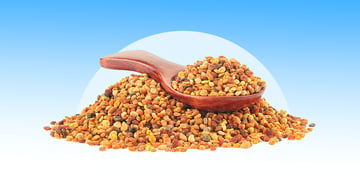
Bee pollen refers to the pollen collected from flowers and packed into pellets by worker bees.
These pellets serve as food for the hive but have gained popularity as a dietary supplement for humans because of their dense nutrient content.
Unlike isolated vitamins or synthetic supplements, bee pollen is a complex blend of carbohydrates, proteins, lipids, vitamins, minerals, and antioxidants. This makes it an intriguing natural product for those interested in holistic health.
Can bee pollen be helpful for PMS symptoms?
One of the most commonly proposed bee pollen benefits relates to its impact on PMS symptoms. But do we have enough studies to confidently claim it can positively influence mood swings, bloating, cramps, or other PMS symptoms?
As explained by Avery Zenker, Registered Dietitian holding a master's degree in nutrition, there’s no direct evidence yet that bee pollen helps with PMS symptoms, but there are some biological reasons that it could, in theory.
“PMS symptoms involve hormonal changes, inflammation, and oxidative stress. Bee pollen has been shown in some studies to influence estrogen and progesterone production, reduce inflammatory signaling, and boost the body’s antioxidant defences,” she adds.
While those are all mechanisms that could theoretically influence PMS symptoms, without adequate research, including clinical trials on people with PMS symptoms, conclusions have not been made yet.
Bee pollen for antioxidation properties
“Bee pollen has anti-inflammatory properties, mainly attributed to its polyphenol and flavonoid content. It’s naturally rich in numerous polyphenols and flavonoids like quercetin, resveratrol, kaempferol, and caffeic acid,” explains Zenker.
“People taking bee pollen might notice less inflammation-related discomfort, better organ protection, and potentially some improvement in inflammatory pain. The types and quantity of phenolic compounds can vary greatly depending on the source of bee pollen,” she adds.
“There is some evidence that bee pollen may have anti-diabetic and anti-hyperglycemic properties. Some studies found that participants who took bee pollen daily had lower blood glucose in four weeks. These effects are believed to be related to bee pollen’s potential to enhance insulin secretion and glucose uptake, and reduce oxidative stress linked to diabetic complications,” explains Zenker.
Zenker notes that bee pollen is being investigated for its potential to combat metabolic syndrome. This includes its ability to regulate lipid metabolism, improve insulin sensitivity, and reduce liver fat. Nevertheless, further research is necessary before it can be advised for these applications.
In addition, preliminary research also points to possible benefits for liver and kidney health. Bee pollen may help protect these organs by reducing inflammation and oxidative damage.
Bee pollen as a source of nutrients
As bee pollen is said to be rich in nutrients, what exactly can you expect to get from it?
- Proteins. “Bee pollen is a complete protein source, containing adequate proportions of all essential amino acids,” explains Zenker. This makes it a valuable addition to the diet, especially for those looking to support muscle repair, recovery, and overall health. Still, the amounts of bee pollen recommended are small, so they can not fulfill your daily protein needs.
- Essential minerals. “Bee pollen is a good source of potassium, providing up to 300 mg per 15-gram serving. Bee pollen also contains varying amounts of other essential minerals, particularly phosphorus, magnesium, and calcium,” adds Zenker.
- Vitamins. “Bee pollen contains a number of vitamins, although the type and quantity vary based on origin. Bee pollen can contain vitamin A (as beta carotene), vitamins B1, B2, B5, B6, B7, B12, B9, vitamin C, vitamin E, and vitamin K2,” notes Zenker.
Main concerns of using bee pollen
Not even natural supplements such as bee pollen come without any risks.
Not enough studies
“Most human research on the anti-inflammatory effects of bee pollen is either lacking or inconclusive. Although bee pollen can contain anti-inflammatory compounds, the dosage, composition, type, and individual context can influence their actual impact on the body. Benefits such as reduction of joint pain, allergic inflammation, or chronic disease risk cannot be reliably predicted or recommended,” highlights Zenker.
Different compositions
If you decide to incorporate bee pollen or its supplements in your routine, keep in mind that bee pollen’s composition can vary significantly.
As explained by Zenker, it will depend on the plants the bees collected it from, so one jar can be very different from another. “That means potency and effects aren't guaranteed unless the product is standardized,” she highlights.
As per her example, one bee pollen product might be a source of magnesium, another may contain very little.
Side effects
While natural supplements sound more enticing for many users, natural is not equal to safe.
“It’s always important to identify any potential side effects or drug-supplement interactions, even with natural supplements like bee pollen,” says Zenker.
Allergic reactions are also of concern, especially for people with known allergies to bee products.
Bee pollen vs. bee pollen supplements
Bee pollen in its natural form comes as small granules, the same pellets collected by bees and used to feed the hive. You can add it to your meals, such as yogurts, porridges, or smoothies. In other words, bee pollen could be considered a whole food.
Bee pollen supplements, on the other hand, are usually sold as capsules, tablets, or powders. Since they are sometimes tested for nutrient levels, you may be able to understand what exactly you are getting from the product.
Bottom line
While bee pollen seems too good to be true at first, it actually might be.
Although it is natural, this does not mean it is safe. While consumption in moderation is unlikely to cause any harm, too much of a good thing may lead to unwanted side effects, including allergic reactions and digestive upset. Moreover, most of the benefits associated with it can not be reliably predicted or recommended.
It’s always best to start with small amounts and consult a healthcare professional if you have any allergies or underlying health conditions.
1 resource
- Antioxidants (Basel). Bee pollen as functional food: insights into its composition and therapeutic properties.




Your email will not be published. All fields are required.