
The inevitable cold and flu season is upon us. You might’ve already noticed more and more people sniffing and sneezing. And, your algorithms could already be flooded with formulas that promise to boost your immune system naturally, from vitamin C megadoses to strange medicinal mushroom elixirs. We can only be left wondering whether these natural immune boosters are truly effective.
In this article, we’ll explore some of the science-based evidence surrounding natural immune boosters and share a few ways you can prepare yourself and your body for flu season.
-
Some natural immune supports, like vitamin C and zinc, do have specific immune functions, but there isn’t a singular supplement or elixir that can prevent all illnesses.
-
Making sure you have a diet that is rich in fruits and vegetables will be more effective at supporting your immune system than taking supplements alone.
-
There are some medicinal plants and ‘superfoods’ that may help to support your body’s natural defenses.
What are natural immune boosters?
While there isn’t a magic pill or powder that can supercharge your immune system and protect you from everything, there are some nutritional and lifestyle choices that may help support your body’s defense mechanisms.
Natural immune boosters are different nutrients, foods, and lifestyle activities that may help support our immune function without pharmaceuticals. Some of these include:
- Vitamin C and D
- Minerals like zinc and selenium
- Probiotics
- Whole foods rich in antioxidants
Lifestyle habits such as getting good quality sleep each night and a regular exercise regimen may also help keep your immune system strong.
While medications tend to treat an already existing infection, natural immune boosters are like the raw materials your body needs to build and maintain optimum immune function.
How do natural immune boosters work?
Our immune systems are made up of an intricate network of cells, organs, and tissues that work together to protect us from pathogens, which might make us sick. The table below shows some of the key nutrients and lifestyle factors that may act as fuel and maintenance for your immune system.
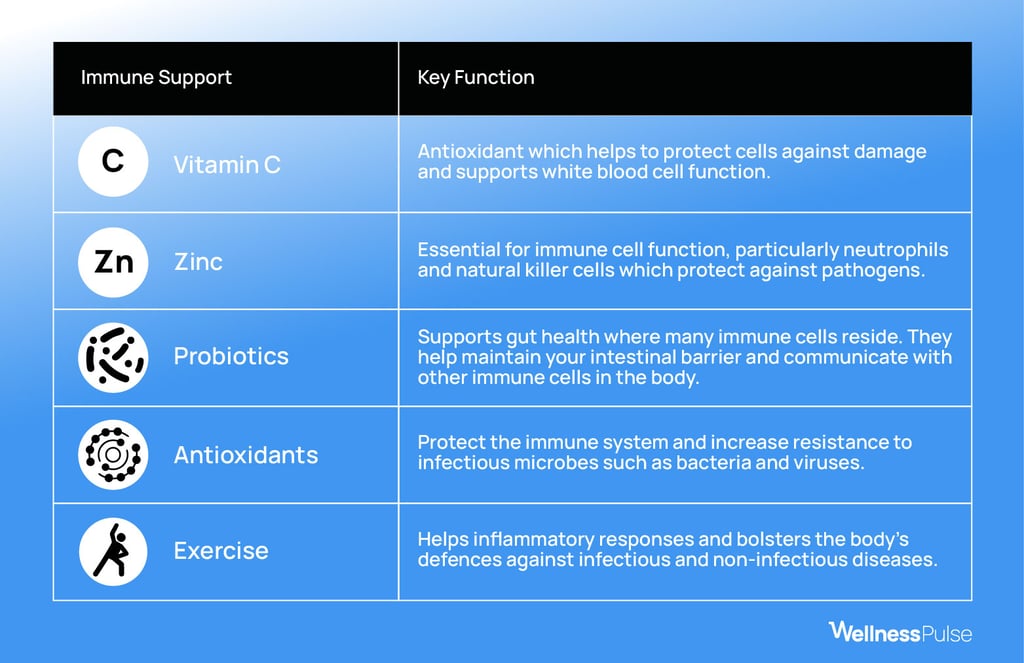
It’s definitely worth noting that the term ‘immune boosting’ could be somewhat misleading. What your immune system needs is balance and maintenance, not constant activation. Natural methods like supplements and exercise should be thought of as support systems for immunity, enabling your body’s defenses to work efficiently when you need them most.
How to get your immune system stronger naturally
Getting your immune system into a state of strength and resilience isn’t something you can do overnight. You need consistent and sustained effort to keep it healthy and functioning as best as possible.
Natural immunity boosters for adults
To increase vitamin C intake, adults can incorporate more red bell peppers, citrus fruits, kiwis, and strawberries into their diet. Zinc is found in high amounts in foods like oysters, but seeing as they aren’t the most accessible, opt for beef, pumpkin seeds, and adzuki beans. Kefir and probiotic yogurts help support the gut microbiome, as well as fermented foods like sauerkraut.
Our bodies produce vitamin D naturally with exposure to sunlight, and it helps reduce inflammation as well as delay viral replication. In the darker months, it can be much more difficult to get a regular dose of sunshine, so supplementation can help boost our vitamin D levels.
Supplementation with vitamin C and zinc during cold and flu season is also possible, but make sure to check that the products are third-party tested and come from a reputable brand.
Regular exercise, stress management, and good sleep hygiene also work synergistically with nutritional support. So, getting enough sleep, engaging in regular exercise, and practicing mindfulness techniques like meditation or gentle yoga may help keep stress levels down. It might sound like a lot at first, but with a little bit of planning, you’ll be able to incorporate all of this and more into your schedule.
Natural immunity boosters for children
Children’s immune systems are still developing, which makes it all the more important to focus on healthy, whole foods rather than high-dose supplementation, as it could potentially be harmful.
Colorful and tasty fruits like oranges, blueberries, and strawberries provide vitamin C and a variety of different antioxidants to support a developing immune system. You can also find probiotic yogurts that contain calcium and vitamin D in berry flavors, which might be more suited to younger taste buds. Just be mindful of the sugar content and opt for products that contain real fruit.
Avoid giving children adult-dose supplements without explicit medical guidance. Some products can cause stomach upset and other health issues, and may potentially do more harm than good. Always check in with your healthcare provider before adding a supplement to your child’s diet.
Easy to make immunity drink using home ingredients
You’ve probably noticed your local store shelves being stocked with immunity drinks that promise to protect you from the illnesses that go around during the colder months. However, these are often expensive and contain excessive sugars and other unnecessary ingredients.
There are many ways you can make immune boosters yourself, so we’ve compiled a few simple at-home recipes that you can try today.
Citrus and Ginger Immunity Drink
You’ll need:
- 1 lemon
- 1 cup water
- ½ orange
- 1 tsp raw honey
- 1 piece of ginger root
Mix the juice of the lemon and orange into a glass of warm water. Stir in the raw honey and grate a small chunk of ginger into the mix. Leave to steep for around 5 minutes and sip to enjoy. This provides vitamin C and anti-inflammatory compounds.
Berry Immunity Smoothie
You’ll need:
- 1 cup mixed berries (frozen or fresh)
- ½ cup kefir
- ½ cup probiotic yogurt
- ½ banana
Blend the berries with the kefir, probiotic yogurt, and banana. This smoothie is full of vitamin C, antioxidants, and probiotics, and it's perfect to make and take with you while you go about your day.
Fire Cider
You’ll need:
- 1 quart jar
- 1 whole lemon
- ⅓ cup horseradish
- ⅓ cup ginger root
- 2 tbsp turmeric, ground
- 6 cloves garlic
- 2 habanero chillies
- 1 stick cinnamon
- apple cider vinegar
- honey, to taste
Chop the garlic, habanero chilies, and lemon, and add the mix to a clean quart jar. Grate the horseradish and ginger root, and lastly add the turmeric and cinnamon stick. Cover your herbs and spices with organic apple cider vinegar, close the lid tightly, and leave it for a few weeks. Once ready, you can add a shot to some warm water and add honey to taste. But be warned, this is a spicy mixture!
Final thoughts on natural immune boosters
Making sure our immune systems are strong enough to handle cold and flu season is vital if we want to avoid constant illnesses. While it can be tempting to believe marketing hype around supplements that promise to keep diseases at bay, it’s important to recognize that there isn’t a pill that can rapidly improve our immunity. Focus on consistent healthy eating habits, exercise, and stress relief to support your body’s natural defense mechanisms.
FAQ
Which foods increase immunity in children?
Citrus fruits, berries, and dark leafy greens may all support a developing immune system. However, instead of focusing on one particular food, serve colorful plates to ensure they get the variety of fruits and vegetables they need to build up a healthy defense against illnesses.
Is zinc or vitamin C better for the immune system?
Both vitamin C and zinc play a crucial role in immune function, and neither is better than the other. Vitamin C acts as an antioxidant and supports white blood cell production, while zinc is essential for immune cell development. Focusing on getting enough of both is important to support your body's natural defenses.
6 resources
- Pharmaceuticals. Natural ingredients to improve immunity.
- Frontiers in Immunology. Exercise workload: a key determinant of immune health – a narrative review
- Advances in Integrative Medicine Effects of antioxidant supplement on immune health and physical wellbeing: a randomized, controlled trial.
- Nutrients. The interplay between the gut microbiome and the immune system in the context of infectious diseases throughout life and the role of nutrition in optimizing treatment strategies.
- Journal of Physics. Antioxidant vitamins and their effect on immune system.
- USDA Zinc.



Your email will not be published. All fields are required.