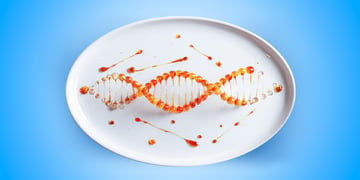
Have you ever wondered why certain diets work exceptionally well for some people, and not at all for others? The answer could be hidden in our DNA.
Nutrigenomics is a relatively new field of study into how nutrition affects us at a molecular level. It could shift the way we relate to food, creating personalized diets based on our unique genetic blueprint. In this article, I explain nutrigenomics in simple terms, explore how it works, and whether a DNA diet plan could benefit you.
-
Nutrigenomics, often called precision nutrition, is the scientific field of study exploring the interactions between our genes and the food we eat.
-
DNA diet plans analyze the way your genes respond to different nutrients, including carbs, fats, and proteins.
-
Precision nutrition is a growing area of research and development globally, with sizable investment from both governments and corporations.
Nutrigenomics in simple terms
You could think of nutrigenomics, or precision nutrition, as a detailed instruction manual for fueling your body. Whereas traditional nutrition offers broad, general advice that tends to work for most people, nutrigenomics gets into the nitty-gritty of how the food you eat interacts with your specific genes. It’s the way we can potentially explain how two people can follow the exact same diet and get completely different results.
Our DNA contains thousands of tiny variations called single-nucleotide polymorphisms (SNPs). These genetic variants function like switches that affect how our bodies process different nutrients. For example, some people have variants that enable them to metabolize caffeine quickly, while others process it slowly. The same goes for how your unique body deals with carbs, fats, proteins, vitamins, and minerals.
Nutrigenics focuses specifically on genes that influence diet-related health factors and how our bodies metabolize food. It’s definitely early days in this branch of precision nutrition, and there’s a lot more scientific evidence needed before we can say whether it’s truly the way forward for personalized diet plans.
Interestingly, research indicates that our genetic response to the environment may also affect how we process nutrients. Taking this into account, it’s clear that the specificity of nutrigenomics and any DNA-related diet plans may also need to include other factors, such as our location.
Can precision nutrition help with weight loss?
With the current scientific research available, the answer to this question remains elusive.
Diet and exercise are still the gold standard for weight loss, but incorporating DNA, microbiome, and blood panel tests may help craft diets that meet our unique genetic needs and health profiles more effectively.
Here’s what a DNA diet test might examine:
- Gene markers for protein and fat metabolism. If you have certain variants, you might lose weight more easily on a high-protein diet rather than a low-fat one.
- Insulin responses. This will show whether reducing carbs or fats could be more beneficial.
- Gut microbiome. The health of your gut composition reveals how well you digest and absorb food, as well as any beneficial bacteria you could be missing.
- Blood panels. Measure your vitamins, minerals, blood sugar, cholesterol, and other significant metabolic markers.
However, because this field is still developing, there isn’t enough robust scientific evidence supporting the idea that a genetically fine-tuned diet and exercise plan will help you lose weight.
The difference between nutrigenomics and nutrigenetics
Although these terms are often used interchangeably and are essentially two sides of the same coin, there are some key differences between them.
| Nutrigenetics | Nutrigenomics |
| Examines how your genetic variations influence your response to different nutrients. It asks the question: “How do your genes affect the way your body processes food?” | Investigates how nutrition signals specific genes, affecting different metabolic pathways and health outcomes. You can think of it as the way your food communicates with your genes. |
In practice, most DNA diets incorporate both approaches to create highly personalized diet plans. They identify genetic variants that may predict your nutritional needs (nutrigenetics) while also providing professional guidance on foods that may optimize your gene expression (nutrigenomics).
Are nutrigenomics and the DNA diet the same thing?
Although nutrigenomics and DNA diets are related and have similar-sounding names, they aren’t the same thing.
Nutrigenomics is a broader scientific field of study that examines how nutrients and genes interact and affect each other. A DNA diet uses genetic testing to suggest personalized and precise nutritional recommendations based on the information analyzed in your DNA test. To put it in super simple terms, a DNA diet is the practical application of the science of nutrigenomics.
Key differences between the two include:
- Scope. Where nutrigenomics is the science, DNA diets are the products that claim to apply the science in a practical way.
- Evidence. Nutrigenomics is a highly complex and consistently evolving field of study, whereas DNA diet programs often make claims that exceed what the current scientific evidence supports.
- Purpose. Nutrigenomics aims to understand the interactions between genes and nutrients, and DNA diets aim to help people achieve their weight goals with personalized plans.
Getting a DNA diet test
The process is surprisingly easy and non-invasive, with no need for needles or doctor visits. In fact, the whole process can be done at home. Here’s what to expect:
1. Get your DNA test kit
Generally, DNA test kits are ordered online and usually only require a saliva sample from the inside of your cheek. When your kit arrives, you’ll swab the inside of your mouth and return the sample in a sealed tube for the lab to analyze. The lab will extract your DNA and test for around 70 or more different genetic markers related to nutrition and metabolism.
2. Results
Your results will usually be returned within 2–4 weeks. You’ll get a detailed report that explains your genetic variants and what they mean for your diet. Many nutrigenomics testing services offer consultations with professionals who can help you turn the data into practical meal plans and lifestyle adaptations.
3. Additional assessments
Beyond basic DNA testing, some labs offer additional assessments. Microbiome testing looks at gut bacteria, as they play a vital role in digestion and metabolism, and blood panel results reveal your current nutrient levels. Combined with DNA testing, they show where your nutritional health stands and how to move forward effectively.
Final thoughts on the future of nutrigenomics and DNA diets
While exciting, we’re still in the early stages of understanding exactly how our genes interact with our nutrition and how environmental factors influence them. Nutrigenomics and DNA diets shouldn’t replace well-known nutrition principles. Eating whole foods, staying hydrated, practicing good sleep habits, and managing stress are fundamental to our health and well-being.
However, nutrigenomics is already gaining serious traction, with the National Institutes of Health investing billions of dollars as part of their strategic plan to accelerate nutrition studies over the upcoming decade. They’ve already awarded $170 million to a precision nutrition study in 2022, supporting advances in areas like AI algorithm development and microbiome research.
For now, it’s best to stick to the basics and think of DNA diet plans more as optimization tools rather than definitive measures.
FAQ
Is the DNA diet legit?
The underlying scientific field of study behind DNA diets is legitimate, yes. But the effectiveness of DNA-specific diets versus well-designed standard diets remains debated. Research shows mixed results, with some studies suggesting benefits and others offering minimal evidence. Exploring a DNA diet should be an addition to core, evidence-based diet and lifestyle habits, not as a replacement.
Can my DNA tell me how to lose weight?
Your DNA can provide insights into your metabolism, how you process micronutrients and macronutrients, and your genetic predispositions in relation to weight management. However, certain genetic expressions don't dictate your health. While a DNA test might reveal that you metabolize fats better than carbs, sustainable weight loss will require a commitment to healthy eating, exercise, quality sleep, and stress management.
5 resources
- Journal of Translational Internal Medicine. Single-nucleotide polymorphisms in medical nutritional weight loss: challenges and future directions.
- Journal of Nutrition and Metabolism. Nutrigenomics: definitions and advances of this new science.
- Molecular Genetics and Genomics. Classifying single nucleotide polymorphisms in humans.
- National Institutes of Health. NIH releases strategic plan to accelerate nutrition research over next 10 years.
- National Institutes of Health. NIH awards $170 million for precision nutrition study.






Your email will not be published. All fields are required.