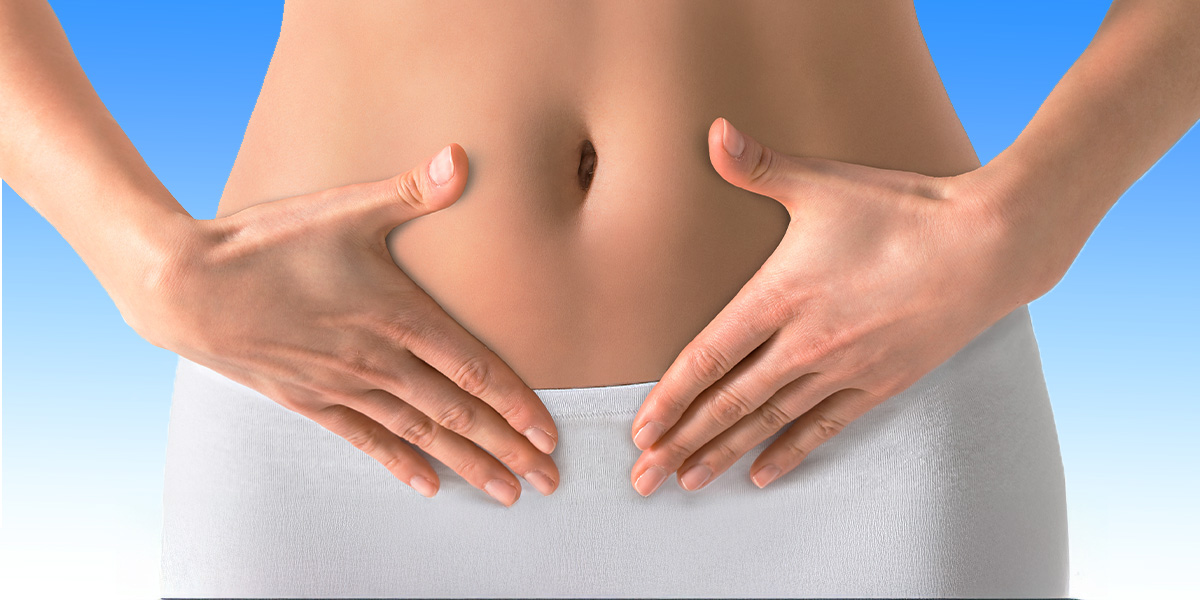
In the era of supposed body positivity that still praises flat and toned stomachs and washboard abs, many of us feel like the stubborn lower belly pouch is something wrong or even shameful. That pouch is commonly called FUPA, fatty upper pubic area, which is a concern for many people despite being completely natural. Anyone can have a protruding FUPA, but women tend to have it more often and are more concerned about its aesthetics. There are several reasons for this, but hormone changes throughout life are one of the bigger factors.
Losing FUPA can be quite tricky, as it is impossible to spot-reduce fat, and this area is one of the hardest to lose. However, lifestyle changes and medical procedures are available if you really want to address it. But before jumping into the details about FUPA and how to lose it, I want to highlight that it is a completely normal thing to have, like any other part of your body.
-
FUPA is a natural and common fat storage area, influenced by hormones, genetics, aging, and weight changes.
-
Reducing FUPA often requires a combination of diet, exercise, and lifestyle changes, and sometimes surgical interventions.
-
Hormones, genetics, stress, and other factors can contribute to the development of FUPA in addition to weight gain.
What is a FUPA?
FUPA is commonly described as fat above the pubic bone, yet the medical definition is a bit broader. In the literature, the FUPA is referred to as a panniculus, an excess of skin and adipose tissue hanging from the lower abdomen. In more pronounced cases, it can extend over the genitalia and even the thighs.
Other medical terms include abdominal panniculus, pannus, abdominal pain, and, in clinical grade systems, pendulous abdomen.
The appearance of FUPA depends on its severity and is classified into five grades in the medical literature:
Grade 1. The panniculus reaches the pubic hair but not the pubic bone
Grade 2. The panniculus covers the pubic bone
Grade 3. The panniculus reaches the upper thigh
Grade 4. The panniculus extends to the mid-thigh
Grade 5. The panniculus reaches the knees or beyond
Grades 1 and 2 are not considered medical health concerns and are usually addressed for aesthetic reasons, but minor skin irritation may occur in some cases.
Grade 3 cases start to present with medical issues: chronic skin inflammation, rash in skin folds, difficulty with hygiene, and minor mobility limitations. Medical interventions are recommended not just for cosmetic reasons.
If things progress, Grade 4 may lead to chronic skin infections, ulcerations, significant hygiene challenges, mobility restrictions, and urinary problems.
Lastly, Grade 5 is associated with serious medical concerns: severe mobility limitations, high risk of infections, significant impact on daily life and activities, urinary and sexual dysfunction, and potential respiratory compromise.
What causes a FUPA to develop?
There are several causes of FUPA, each having an influence on the progression, as well as the underlying cause that needs to be addressed.

1. Weight gain
Panniculus is essentially an overhang of fat and skin on the lower abdomen, and weight gain is a significant cause. Individual fat distribution varies, but gaining weight can cause fat cells to swell in the lower abdomen, causing a protruding appearance even with moderate weight gain, especially in those more prone to holding fat around their stomach.
If an excessive amount of weight is gained, fat cells may even multiply in size, resulting in excessive fat gain everywhere, including the lower abdomen region and a visible FUPA. In morbidly obese cases, FUPA is usually a medical concern, causing complications, and is classified as Grade 3 or above.
2. Pregnancy and childbirth
Hormonal and physical changes during pregnancy can also lead to the development of FUPA. As the abdominal muscles and skin grow and stretch, fat deposition in the lower abdomen can also increase to support the growing fetus. Also, the general weight gain associated with pregnancy can cause fat accumulation in that area.
Some women experience separation of the abdominal muscles postpartum, which can affect the structural integrity of the abdominal wall, allowing the lower abdominal fat to protrude more. Also, depending on genetic makeup, lifestyle, and nutrition postpartum, and the amount of weight gained during pregnancy, some women may find the fat in the lower abdomen more stubborn to go away.
An increase in fat deposits during and for some time after pregnancy is completely normal and essential for hormonal balance, the health of the mother, and the baby. You should consult your doctor about any pregnancy or postpartum-related issues and questions, as they can help you monitor healthy vs. excessive weight gain and help you adjust your habits.
3. Aging and menopause
Hormonal changes during menopause and aging can alter fat distribution, often leading to increased abdominal fat. During menopause, estrogen levels drop, which has been linked to increased appetite, a decrease in energy expenditure at rest, and a reduction in spontaneous physical activity like fidgeting. Estrogen also plays a role in fat storage and is one of the main drivers for ‘feminine fat distribution’ during puberty, around the hips and chest. A decline in estrogen leads to more accumulation of fat around the abdomen, including the lower pouch.
An increase in follicle-stimulating hormone (FSH) during menopause may also have an undesired effect on metabolism and fat distribution.
Furthermore, age and hormonal changes also cause muscle loss, known as sarcopenia, and a reduction in lean body mass, which in turn slows down metabolism and increases body fat percentage. Thankfully, there is a lot of research suggesting that this can be reduced or prevented with exercise and diet interventions.
4. Loose skin after weight loss
Annoyingly, losing a large amount of weight can contribute to the appearance of FUPA. When a large amount of fat is lost, especially in areas where the skin has been stretched significantly (like the abdomen due to weight gain or pregnancy), the skin may lose elasticity and not retract fully. This results in excess hanging skin, even if fat has been reduced. While this is not exactly panniculus in its medical definition, visually, it still looks like one and can still cause skin irritation.
5. Genetics
Ultimately, one of the biggest factors that influences where you store fat is genetics. Your genetic makeup also influences metabolic rate, hormone receptor sensitivity in different fat depots, and the number and size of fat cells. Also, men tend to store more fat around the abdomen and torso, while women usually store it around the hips and thighs. Of course, all these can be overridden with over- or undereating, but you will still be more likely to store fat in certain places rather than others.
That is why following someone else’s diet and exercise regimen will not give you their body. Some individuals have more fat in the upper pubic region even with the slightest weight gain, while others do not.
All in all, weight gain is not always the only reason for having a FUPA. Some of these, such as pregnancy, hormonal changes, or genetics, play a huge role, without much we can really do, as storing some fat in the upper pubic area is completely natural, as long as it is not excessive.
Why is fat in the upper pubic area so difficult to lose?
Fat in the upper pubic area can be notoriously difficult to lose due to genetic predisposition, age-related changes, and hormonal influences. However, weakened abdominal muscles and the false hope of spot-reducing fat also play a role.
Spot reducing fat
The idea of spot-reducing fat works great for marketing fat-burning products, fitness programs, devices, and gym memberships. However, you cannot lose fat from specific areas. The only way is to be in a calorie deficit through diet and exercise, and reduce overall body fat, which will eventually lead to a reduction in your ‘problem area.’ Keep in mind that the most stubborn areas are usually the last to go, requiring consistent effort and patience.
Exercise can help create a calorie deficit and build muscle in the desired areas; however, it does not help burn fat in specific areas either.
Weakened abdominal muscles
A weakening in the abdominal muscles, particularly the abdominal wall, can contribute to the appearance of FUPA. Abdominal muscles like the rectus abdominis and obliques play a crucial role in containing abdominal organs and fat. If tone is lost or the muscles become separated, which can happen after pregnancy, due to injury, inactivity, or aging, the lack of structural support allows the abdominal contents, including fat and skin, to protrude forward, creating or enhancing a bulge.
So, while diet and overall fat loss are essential to reduce the underlying fat, strengthening core muscles can help keep thighs tight and reduce the visible prominence of the pouch.
How can you try to get rid of FUPA naturally?
Now that we have covered the main reasons for having a FUPA, let’s look at something you can do before opting for surgical interventions.
Create a calorie deficit
Losing upper pubic fat requires overall weight and fat loss. This can and should be achieved through diet and exercise. Determine your calorie deficit with the help of a professional or online calculators; however, do not cut your calorie intake too low, as it will backfire. Adding exercise or movement can help you create a calorie deficit without the need to drastically cut what you consume.
Here are some tips to make a calorie deficit more manageable:
- Prioritize protein. Eating a high-protein diet helps you maintain muscle mass as you are losing weight and increases satiety. Aim for 1.2–1.6 g of protein per kilogram of body weight, or around 20–30% of your calories.
- Eat high-volume, low-calorie foods. Fill up your main meals with side vegetables or side salads to enjoy the meal longer and fill up your stomach.
- Focus on complex carbs. Instead of highly processed carbs, focus on whole grains, potatoes (boiled or baked, not fried), whole-grain bread and pasta, and fruits.
- Eat healthy fats. Do not cut out fats just because they have more calories per gram. Healthy fats, like nuts, avocado, or olive oil, are essential for satiety, hormone, skin, and joint health, and add a lot of flavor to meals.
- Invest in spices. Experiment with different spices to create low-calorie meals packed with flavor. There is no need to eat bland chicken and rice.
- Allow the occasional treat. To adhere to a calorie deficit for a prolonged period of time, plan an indulgent meal, dessert, or snack from time to time. It will not ruin your progress but instead help you stay on track and reduce the psychological toll of dieting.
- Increase your non-exercise activity. Aim to walk when you can, take stairs, fidget when you sit, and add other small movements throughout your day to increase your calorie expenditure outside traditional exercise.
Train the lower abdominal muscles and core
Core exercises do not turn belly fat into washboard abs, but they can help keep things tighter and reduce the protrusion of the pouch. Here are the core exercises that target the lower abdominal muscles and core:
- Crunches. Target the upper and lower abdominal areas, and you can add pulses or weight for progressive overload.
- Leg raises. Targets primarily the lower abdomen. You can do these lying down, weighted, hanging from a bar, or on a decline bench.
- Reverse crunches. Similar to leg raises, but involves raising your legs (crunching in) as they come up, targeting the lower abs.
- Bicycle crunches. Effectively targets the oblique muscles without adding bulk to the waistline.
- The hundred. A Pilates exercise that engages deep core muscles with coordinated breath control.
- Planks. A fundamental exercise that engages the whole core and activates several muscle groups to remain stable and straight. Also helps build endurance and stability.
For the best results, consult with a personal trainer to learn the proper form and develop a personal plan. If professional help is unavailable, keep in mind that you do not need to train your core every day — 2–3 times a week is enough. Pick 3–4 exercises and do 2–3 rounds.
Manage stress
Apart from diet and exercise changes, managing stress may also help. Chronic stress causes high cortisol levels, which can cause weight gain in the face and abdomen and increase fat storage. If you are experiencing chronic stress or anxiety, it is important to seek professional help. However, if it is mild or occasional, here are some ways to address it:
- Make sure you get enough sleep
- Practise meditation or breathing exercises
- Write down what is bothering you or journal
- Set one or two main priorities for the day
- Plan for personal rest time
- Go on a walk
- Read a book
How does adding exercise help with fat burning?
Exercise can help create a calorie deficit, burn fat, or build muscle, depending on its type.
Strength training
Strength training with progressive overload can help you build muscle and, in turn, maintain or even increase metabolism, as lean body mass burns more calories at rest. Furthermore, strength training alongside fat loss can help you preserve muscle mass and achieve a more ‘toned’ look.
Cardio
Cardio is beneficial for improving cardiovascular health, endurance, and creating a calorie deficit. However, there are many misconceptions about certain cardio types being better than others, and everyone pushes the type of cardio they do themselves.
Steady-state cardio involves a sustained activity at a lower to moderate heart rate. During this type of cardio, your body primarily uses fat as a fuel source. Examples include: brisk walking, jogging, biking, dancing, or climbing stairs.
Steady-state cardio can be done on non-strength training days, added at the end of the workout, or integrated into your lifestyle, like walking to work. A meta-analysis found that moderate-intensity steady-state cardio had better adherence for people aged 31–40 and was more sustainable for people aged 41–60, making it a more sustainable fat loss strategy compared to high-intensity interval training (HIIT).
It was previously believed that HIIT is superior for fat loss because it is quick, intense, and leaves you gasping for air. However, a recent meta-analysis of 11 randomized clinical trials revealed that HIIT was not superior to continuous aerobic training for abdominal fat loss. However, HIIT groups showed more improvements in VO2 max, fasting blood glucose, and total cholesterol.
So, if your primary goal is reducing body fat, both HIIT and moderate-intensity steady-state cardio offer the same benefits. One is quicker but much more intense and requires more recovery, while the other is easier in terms of effort but more time-consuming. If you want to improve metabolic metrics, HIIT may offer additional benefits; however, work with a professional to avoid injuries and overtraining.
| Steady-state moderate intensity cardio | HIIT | |
| Time | At least 15 minutes, depending on the goal | 10–30 minutes |
| Effort | Moderate heart rate, can hold a conversation | Maximum output |
| Calories burned*varies on intensity and biometrics | 180–260 per 30 minutes | 250–350 per 30 minutes |
| Pros | Accessible Less risk of injury Can be done daily Can be used to run errands or commute | Shorter time investment Higher calorie burn |
| Cons | May get boring Needs to be done for longer to burn the same calories | High injury risk Can lead to overtraining |
Is FUPA fat different from other belly fat?
FUPA consists primarily of subcutaneous adipose tissue found just under the skin. This type of fat is different from visceral fat, which surrounds the organs deeper in the abdomen. Subcutaneous fat is generally safer to have than visceral; however, having a very prominent FUPA indicates a high overall body fat. High abdominal fat is associated with an increased risk for cardiovascular disease. Furthermore, when subcutaneous fat storage gets overfilled, the body may start storing visceral fat, which is associated with increased metabolic risk.
Besides contributing to FUPA, excessive weight gain and obesity are associated with:
- Cardiovascular disease
- Metabolic syndrome
- Insulin resistance
- Type 2 diabetes
- Abnormal lipid metabolism
- Increased inflammation
- All-cause mortality
So, while the primary concern for FUPA is aesthetic, excessive weight gain can indicate a start or progression of abdominal obesity and the dangers that come with it.
What are the medical procedures to reduce fat in the upper pubic area?
If lifestyle adjustments do not help, you have a lot of weight to lose, want to lose skin, or want quicker results, there are some medical procedures that can reduce FUPA.
What noninvasive options are available?
- CooSculpting (Cryolipolysis). An FDA-cleared method for small areas, which uses controlled cooling to target and freeze fat cells, eventually leading to their death and removal by the lymphatic system. Most cases require multiple sessions.
- Heat- and radiofrequency-based methods. Various devices are available to deliver thermal energy to heat fat and stimulate collagen remodeling, resulting in reduced fat and tighter skin without damaging the epidermis.
- Laser lipolysis. A procedure that uses a fiber-optic laser to liquefy fat. Despite requiring a small incision, it is minimally invasive compared to surgery and may also improve skin tightness through collagen stimulation.
What surgical procedures can help remove excess fat and skin?
- Liposuction. Removed localised fat through suction via cannula insertion. It leaves tiny scars and is suitable for patients with good skin elasticity. Recovery can take a couple of months and includes bruising, swelling, and wearing compression garments.
- Monsplasty (Pubic Lift). A surgical procedure during which excess fat and skin are removed to lift and tighten the mons pubis. Often combined with liposuction or abdominoplasty.
- Tummy Tuck (Abdominoplasty). Surgical procedure to remove excess skin and tighten muscles, often done after pregnancy or weight loss.
- Panniculectomy. Surgical removal of the hanging lower abdomen apron (FUPA). This is often done after massive weight loss and may even be covered by insurance if done for medical reasons, like frequent infections.
Final thoughts
FUPA is a natural and common area where fat is stored, yet it is an insecurity for many. Reducing it often takes a combination of strategies and, most importantly, patience.
Consistent diet and exercise result in gradual fat loss, typically showing results in 8–12 weeks. However, some individuals may still struggle with stubborn fat or loose skin, especially after pregnancy or significant weight loss. In such cases, combining lifestyle changes with surgical procedures, such as tummy tucks, may be needed to achieve the desired results.
In any case, you should consult a qualified healthcare provider or specialist for personalized guidance and have realistic expectations. Ultimately, patience and consistency, as well as body acceptance, are required in all cases, as you should never chase aesthetics over health.
FAQ
Is FUPA just belly fat?
FUPA refers specifically to fat below the belly. While it can be related to overall abdominal fat, it’s a distinct area.
What causes male FUPA?
In men, FUPA can result from weight gain, aging, poor posture, or genetics. It may also appear after significant fat loss if excess skin remains.
When does the pubic fat pad go away in babies?
The pubic fat pad in babies typically decreases naturally as they grow and develop muscle tone, usually by toddlerhood.
16 resources
- StatPearls. Panniculectomy.
- Journal of WOCN. Obesity, panniculitis, panniculectomy, and wound care: understanding the challenges.
- NHS. Weight gain in pregnancy.
- Journal of Mid-Life Health. Weight, shape, and body composition changes at menopause.
- Journal of Korean Medical Science. A review of sarcopenia pathophysiology, diagnosis, treatment and future direction.
- Genes. Genetics of body fat distribution: comparative analyses in populations with European, Asian and African ancestries.
- Cleveland Clinic. Abdominal muscles.
- Journal of Obesity & Metabolic Syndrome. Clinical evidence and mechanisms of high-protein diet-induced weight loss.
- StatPearls. Physiology, cortisol.
- Seminars in Cutaneous Medicine and Surgery. Cryolipolysis for the reduction of excess adipose tissue.
- International Journal of Endocrinology and Metabolism. Review of the mechanisms and effects of noninvasive body contouring devices on cellulite and subcutaneous fat.
- Seminars in Cutaneous Medicine and Surgery. Cryolipolysis for reduction of excess adipose tissue.
- Clinics in Plastic Surgery. Mesotherapy and injection lipolysis.
- Plastic and Reconstructive Surgery. Prospective clinical study of 551 cases of liposuction and abdominoplasty performed individually and in combination.
- Journal of Plastic, Reconstructive, and Aesthetic Surgery. The monsplasty: surgical and functional outcomes using an effective and reproducible surgical technique.
- International Abstracts of Plastic and Reconstructive Surgery. Impact of panniculectomy and/or abdominoplasty on quality of life: a retrospective cohort analysis of patient-reported outcomes.




Your email will not be published. All fields are required.