
In recent years, the fascination with the gut microbiome has moved from science labs into our everyday lives. Most health-conscious individuals are aware of how important gut health is, and taking probiotics is part of many health regimens.
Gut support patches — adhesive patches you apply directly to your skin — are becoming an increasingly popular substitute for conventional probiotics, which usually come in capsule form. In this article, we’ll explore the science behind gut support patches and discuss whether they can really help improve our digestive health.
-
A healthy gut microbiome impacts digestion, immunity, energy, and even mental health.
-
Gut support patches offer an easy-to-use alternative to pills and powders, claiming to deliver ingredients through your skin throughout the day.
-
Transdermal patches bypass the digestive system, which may potentially offer better absorption of some ingredients in gut support patches.
-
Currently, there’s a lack of scientific support for the effectiveness of these patches.
Understanding gut health
The gut is home to trillions of microscopic organisms, collectively known as the gut microbiome. It’s a complex, living ecosystem that plays an absolutely crucial role in breaking down food, absorbing nutrients, and protecting against harmful pathogens. When the gut microbiome is thriving, we’re also more likely to have balanced moods due to the relationship between our gut and our brain.
Extensive scientific research has shown that the gastrointestinal tract and gray matter communicate constantly through the gut-brain axis. This may explain digestive issues caused by stress or anxiety-triggered stomach problems. A healthy gut produces neurotransmitters like serotonin, directly influencing emotional well-being and mental clarity.
Additionally, research suggests that the gut microbiome is affected by diet, sleep quality, and stress levels. However, it seems that despite many people being aware of the impact of diet and stress on our digestive system, there is a gap between this knowledge and practical behaviors that actively support our gut health.
Common gut-related issues
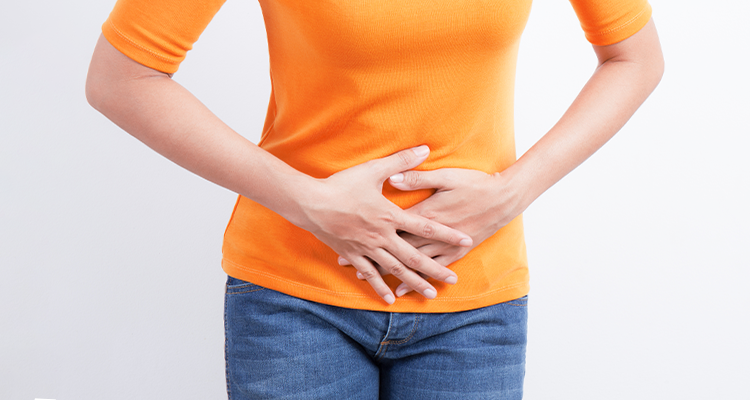
Digestive disorders continue to be one of the most significant health issues facing Americans today, affecting the lives of millions of people. Some of the most common digestive conditions include:
- Irritable bowel syndrome (IBS)
- Acid reflux
- Ulcers
Even if you aren’t suffering from a diagnosed gut-related disorder, digestive issues come with a whole host of unpleasant symptoms that can significantly affect your quality of life, including:
- Bloating and inflammation
- Gas
- Constipation
- Diarrhea
- Stomach cramps and generalized pain
Struggling with the discomfort of these symptoms can feel extremely unpleasant. You may find your moods affected, or that your food choices become more limited due to certain ingredients triggering digestive upset.
Making sure your digestive system is as nourished as it can be should be a priority when thinking about supplements, wellness habits, and what to eat for gut health.
What are gut support patches?
Gut support patches are thin, adhesive patches that you can stick directly onto your skin.
Depending on the brand guidelines, they’re usually applied to areas such as the upper arm, abdomen, or lower back. These patches claim to work through a transdermal delivery mechanism, releasing their active ingredients through skin into your bloodstream over several hours throughout the day.
The ingredients of these patches vary, but usually they will contain a combination of the following:
- Prebiotics
- Probiotics
- Digestive enzymes
- Herbs like ginger and peppermint
- Vitamins
- Anti-inflammatory compounds
Gut support patches vs. traditional options
The table below offers a comparison between gut support patches and other available options for boosting digestive system health.
| Method | Pros | Cons |
| Gut support patches | No swallowing required, bypass the digestive system, once-daily application, discreet | Very limited scientific research, potential skin irritation |
| Probiotic supplements (pills, capsules, powders, and liquids) | Well-researched, many strains commercially available, may support the microbiome directly | Often require refrigeration, may not survive stomach acid, can be expensive, may contain other ingredients, variable absorption rate |
| Dietary changes | Address root cause of digestive issues, long-term benefits, no supplementation costs | Require commitment and professional guidance, may take time to see results |
Do gut support patches actually work?
Without rigorous support from scientific studies, it would be irresponsible to claim that gut support patches effectively boost beneficial bacteria or improve digestive health.
I think the main attraction of gut support patches is their convenience and accessible price point. You don’t have to remember to take a pill, there’s no swallowing of capsules, and no messy powders to mix. However, while some research suggests topical probiotics may be beneficial to our skin, there isn’t any evidence supporting the claims that transdermal probiotic patches can deliver healthy bacteria to our gut microbiome.
It feels important to note that these beneficial bacteria are hard to keep alive during the manufacturing, storing, and distributing processes. There’s no guarantee that the probiotics in gut support patches have survived, let alone that they can make it from your skin into your digestive system.
There is also very little scientific study into the absorption of herbal ingredients via patches. While there is some research suggesting that ginger and peppermint may be beneficial to the upper gastrointestinal tract, when it comes to gut support patches, it’s mostly bold claims from various manufacturers without any robust scientific backup.
Precautions and considerations
Before you decide to try gut support patches, it’s worth noting that there are several risks to be aware of:
- Skin sensitivity. Some people may experience redness or itching at the application site.
- Irritation. Adhesives may cause discomfort, especially with prolonged wear.
- Allergies. Make sure to check ingredient lists carefully if you have known sensitivities.
- Medical conditions. Consult your healthcare provider before use, especially if you are pregnant or on any other medications.
Final thoughts on gut support patches
When it comes to improving gut health, I personally think it’s best to stick to tried and tested methods like dietary changes and reputable, third-party tested probiotic brands. If you are suffering from digestive discomfort, paying a visit to a healthcare professional is likely to be the best option. They’ll be able to offer a thorough assessment and suggest dietary changes, products, and possible medications that may benefit your unique biology.
If you do opt for a gut support patch, remember that, as with any kind of wellness product, they work best as part of a holistic approach. Your gut microbiome responds well to a balanced diet, effective stress management, and healthy lifestyle choices.
FAQ
Do gut support patches really work?
While research on gut support patches specifically is limited, transdermal delivery may be effective for various compounds or ingredients. However, it’s important to remember that individual results vary, and any kind of wellness product works best combined with healthy lifestyle habits.
How long should I wear a gut support patch?
Most patches are designed for 8–24-hour wear, but it’s best to always follow the manufacturer's guidance carefully. Some people only wear their patches a few times a week, while others apply a fresh patch each day.
Can I use gut support patches with probiotics?
It’s wisest to introduce new supplements gradually and under professional guidance, especially if you are already taking medications or other herbal remedies. It’s important to check that anything new you want to try doesn’t negatively interact with your existing prescription.
4 resources
- Psychoneuroendocrinology. The gut microbiota-brain axis, psychobiotics and its influence on brain and behaviour: a systematic review.
- US Chicago Medicine. 7 most common digestive conditions.
- Nutrition and Metabolism. Relationship between stress, diet, and gut microbiota: a cross-sectional study.
- Pharmaceutics. Topical probiotics: more than skin deep.






Your email will not be published. All fields are required.