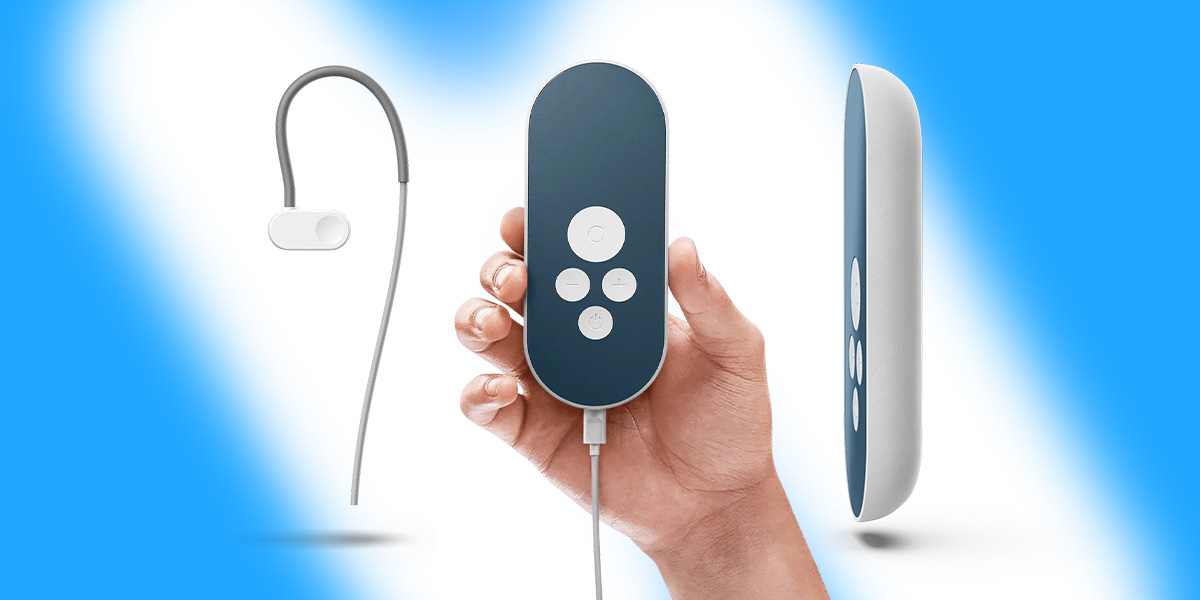
Developed by Parasym Scientific, Nuropod is a transcutaneous auricular vagus nerve stimulation device (taVNS) that’s designed to improve certain aspects of physical and mental health through neuromodulation. It has recently become one of the most talked-about options in the market, especially after appearing in the Netflix Don’t Die documentary by Bryan Johnson.
By transmitting specifically engineered electrical signals through an earpiece, Nuropod is intended to target and stimulate the auricular branch of the vagus nerve to potentially influence parasympathetic nervous system activity.
It is being promoted as a way to relieve anxiety, stress, and fatigue, and is already making waves in the medical field. Its clinical trial results hint at the possibility of reversing long-term COVID-19 symptoms — a compelling reason to pay attention to this device. Users also seem to be largely on board with it.
But the big question is — does it really deliver on its promises? And that’s what I’m here to explore in this Nuropod review. I’ll take a closer look at the science behind the device and help you figure out if it truly lives up to its claims and if it's worth considering as a solution to your problems.
Step into a world of improved focus and mental clarity with Nuropod







Your well-being is our top priority. Our team of contributing experts ensures that you receive accurate, safe, and up-to-date wellness information. Get an inside look at our thorough testing framework.
How and why we chose to review Nuropod
When we chose to review Nuropod, the WellnessPulse Research team and I focused on a few factors that show why this device is currently trending in today’s health technology scene. Its clinical validation and the growing demand for at-home wellness solutions made it an obvious pick for us.
To provide a detailed analysis, we invested more than 50 hours researching Nuropod, and here’s how that time was allocated:
- 30 hours reviewing the scientific literature and clinical trial data
- 20 hours comparing product features and pricing against other vagus nerve stimulation (VNS) devices
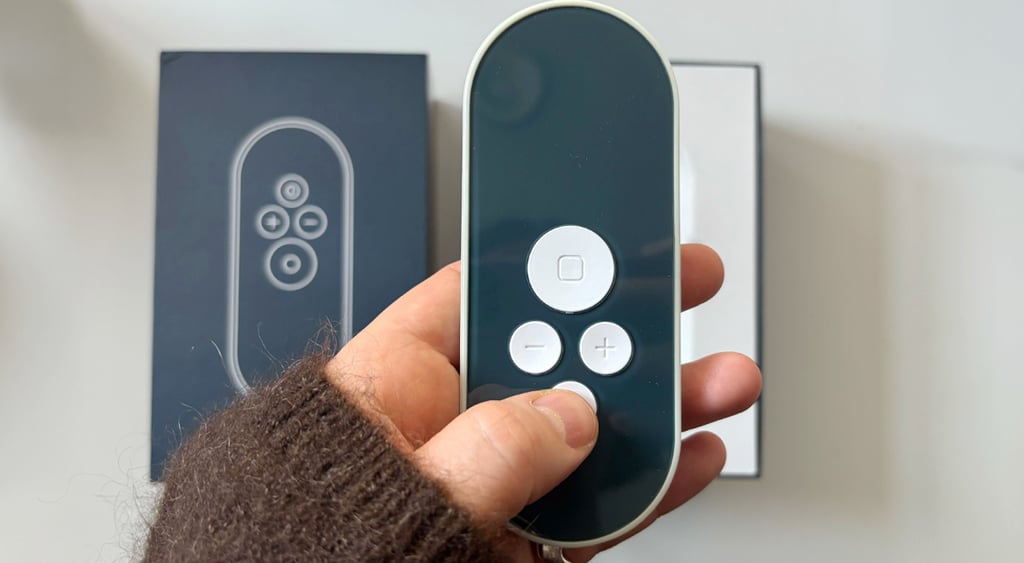
- 2 hours assessing the unboxing experience and first impressions
- 2 hours analyzing customer reviews from platforms like Trustpilot and Reddit
And here are the evaluation criteria that I and the WellnessPulse Research team considered:
| Clinical validation | Customer feedback | Comparative analysis | Expert opinions |
| Examined evidence from clinical trials supporting the device's efficacy | Analyzed user reviews to gauge satisfaction and real-world performance | Compared features, benefits, and pricing with other vagus nerve stimulation devices | Considered recommendations and comments from healthcare professionals and industry experts |
With this review, we wanted to give you a clear and honest look at Nuropod and help you decide for yourself if it’s a good fit for your health.
What is Nuropod and how does it work?
Nuropod is a device from Parasym intended to help improve both mental and physical health aspects through neuromodulation.
It uses a special proprietary waveform technology (AVNT™) to deliver non-invasive electrical stimulation to the vagus nerve — a nerve that plays a vital role in connecting the brain to many of the body's organs.
Nuropod works through a specialized earpiece that looks like a small wired earbud. This earpiece, equipped with electrodes, attaches to the tragus of your ear, sending targeted electrical signals through the vagus nerve to reach the brain.
Emerging evidence indicates that targeted vagus nerve stimulation can influence brain activity, including neurotransmitter release and neural plasticity, reduce inflammation, and enhance parasympathetic nervous system activity, all of which might offer relief from anxiety, fatigue, and depression symptoms.
Nuropod’s underlying technology has been evaluated in more than 50 independent, peer-reviewed, and placebo-controlled studies conducted in collaboration with research institutions such as Harvard, UCLA, and the University of Chicago.
Reviewing the potential benefits of Nuropod
In this part, I'll take a closer look at the four primary health claims of the Nuropod device and see how they hold up against the latest research findings. These claims include reduced anxiety levels, improved stress management, decreased symptoms of depression, and enhanced sleep quality. Let’s jump right in.
Reduced long COVID symptoms
Post-COVID syndrome, also known as long COVID, is associated with a range of symptoms that persist or develop after an initial COVID-19 infection.
In a pilot study with 20 participants, taVNS for 10 days using a Parasym device — which uses the same technology as Nuropod — was linked to improvement in long COVID symptoms, including reduced fatigue and improved mood, among others. Importantly, the results were gathered not only through self-report questionnaires but also by assessing physiological parameters, such as muscle strength and blood oxygen saturation.
Better stress management
Scientific studies indicate that non-invasive vagus nerve stimulation can offer a physiological approach to stress management.
According to a Nuropod study with healthy young adults, the device may have a positive impact on heart rate variability (HRV), an indirect measure of vagus nerve activity. Reduced HRV is associated with several diseases, while higher HRV is associated with resilience to stress. Offering a non-invasive way to potentially increase HRV, Nuropod is gaining popularity as a tool for stress management.
Diminished depression symptoms
Research suggests that stimulating the vagus nerve may help alleviate depression symptoms. While the exact mechanisms are still being researched, it has been proposed that it may influence neural activity in brain networks implicated in depression, have an impact on the release of neurotransmitters related to mood regulation, and reduce inflammation.
While VNS is an FDA-approved treatment for depression, the evidence for non-invasive effectiveness is limited. Nevertheless, some emerging evidence suggests taVNS devices, such as Nuropod, may show potential in alleviating depression symptoms.
Improved sleep quality
A small number of scientific studies indicate that vagus nerve stimulation may help improve sleep quality. It has been proposed that the effects may be attributable to its influence on the parasympathetic nervous system activity that oversees the ‘rest and digest’ functions in our body, including sleep.
Additionally, vagus nerve stimulation is thought to influence brain activity in key regions involved in sleep regulation. While non-invasive vagus nerve stimulation shows promise in improving sleep quality, only one study to date has examined the effectiveness of Nuropod in this regard, yet the improvement in sleep was not statistically significant.
Final pros and cons
All in all, while the majority of users see Nuropod in a positive light, backing it as a worthy investment that makes a real difference, others feel there’s still room for improvement, particularly when it comes to the pricing.
How to get the best results with Nuropod
To get the most out of your Nuropod device, be sure to check out the handy tips below. Just remember that these suggestions are based on the brand’s recommendations and are specific to this device.
- Preparation. Before using Nuropod, apply a bit of moisture to your tragus to enhance conductivity.
- Proper placement. Make sure the earpiece is correctly positioned on your left tragus, with the cable going over and behind your ear to secure the electrodes in place.
- Start slowly. Turn on Nuropod and gradually increase the energy level until you feel a light tingling sensation in your ear. This sensation indicates that the current is flowing and activating your parasympathetic nervous system.
- Multitask wisely. You can sit or lie down while using the device or continue with your daily activities, but be sure to prioritize your comfort.
- Adjust energy levels. If you notice the sensation intensifying over time or if it fades, adjust the energy level until you feel that light, pleasant tingling sensation again.
- Be consistent. For optimal results, use Nuropod daily for 15–60 minutes, preferably in the morning or split between the morning after waking up and the evening before sleep.

How much does Nuropod cost and where to buy it?
The Nuropod device comes as part of the Nuropod kit, which you can buy in a single, one-time purchase.
| Purchase option | Price | Money-back guarantee | What is included |
| Nuropod kit | Around $900 (depending on the region) | Within 30 days | Nuropod neuromodulation system, earpiece, charger, case, and quick-start guide |
For the UK market, VAT relief is available, which would get you around 20% off the purchase. For those based in the U.S., Nuropod is HSA/FSA eligible, thus allowing you to save up to 30%.
Additionally, you can participate in a remote study to receive a $100 subsidy.
If you order Nuropod now, you’ll get 5% OFF at checkout.
The company cares about customer satisfaction, which is why it offers a 30-day money-back guarantee. This means if the device doesn't live up to your expectations, Nuropod will issue a no-questions-asked full refund.
On top of that, the Nuropod device comes with a 2-year warranty.
Nuropod side effects: what to know before buying
Despite the fact that Nuropod is a medical device that has completed more than 50 scientific studies, it's still imperative to be cautious of potential side effects.
Below, I have listed the most common side effects linked to non-invasive VNS devices:
- Light-headedness
- Dizziness
- Fatigue
- Shortness of breath
- Headaches
- Abnormal head rhythms
These side effects are usually rare and transient, meaning they often go away quickly. Skin irritation at the electrode site is something that can also happen, especially if you are using the device continuously at high settings.
It's a good idea to keep an eye on your skin for any signs of irritation, like redness or discomfort, particularly during long sessions. Now, when it comes to Nuropod, it actually has built-in safety features that help ensure these risks are kept to a minimum.
Who should avoid using Nuropod?
Some people should be careful or even skip using Nuropod altogether. This includes anyone with implantable medical devices, certain types of cardiovascular diseases, bradycardia, a history of vagus nerve surgeries, undiagnosed pain, and those under 18 and/or pregnant.
Comparing Nuropod with alternatives
If you want to explore other options besides Nuropod, here are a few promising alternatives to check out:
- Pulsetto
- Apollo
- Sensate
Pulsetto is a neck-worn wearable tVNS device that really nails the balance between price and quality. It offers five different programs and nine levels of stimulation to help with anxiety, burnout, and stress. And with a price tag of $269.00, it’s one of the more affordable devices on the market.
Then there’s Apollo, which isn’t exactly a vagus nerve stimulation device but rather a smart wearable. Worn as a bracelet, Apollo uses non-invasive touch therapy through gentle vibrations. The device can synchronize with other health apps and includes seven different modes. It's priced at $349.00.
And finally, we have Sensate — a smart device that promises to tone the vagus nerve through gentle vibrations. Sensate is said to help induce relaxation and help people better manage stress. Prices for Sensate start at $278.40 and increase depending on the package you choose.
And here’s how they stack up against one another:
| Device | Price | Technology | Features | Money-back guarantee | Warranty | Potential benefits for |
| Nuropod | Around $900 (depending on the region) | taVNS | Works through an earpiece | 30-day | 2-year | Anxiety, depression, stress, and fatigue |
| Pulsetto | $278 | tVNS | Neck wearable | 21-day | 2-year | Anxiety, burnout, pain management, sleep, and stress |
| Apollo | $349 | Transcutaneous vibratory stimulation through silent vibrations | Worn as a bracelet, can be clipped to clothes | 30-day | 1-year | Stress relief and sleep |
| Sensate | $269 | Combination of infrasonic frequency vibrations and app-driven soundscapes | Smart device, intended to be placed on your chest | 40-day | 1-year | Stress relief and relaxation |
Every option has its special features, giving you plenty of ways to find what works for you. And if you want to explore further, check out our curated list of the best vagus nerve stimulation devices currently out there.
Nuropod review conclusion: the pros and cons
So, now that I have really explored what the Nuropod device is all about, here are my final thoughts, highlighting both the positives and the not-so-good aspects I noticed along the way.
What we like
I see significant potential with the Nuropod. What really sets this device apart for me is its commitment to scientific research. The one-time purchase model, as opposed to a subscription, makes it even more appealing. Plus, customer assurances, like the money-back guarantee, certainly add to its attractiveness.
What we don’t like
On the downside, Nuropod’s price can feel steep compared to other options. Additionally, while features like customizable session time and intensity are handy, some users have noted that its effectiveness can vary from person to person — something to consider before diving in.
FAQ
Does vagus nerve stimulation really work?
Vagus nerve stimulation has been associated with potential benefits for stress and anxiety, depression, sleep, cluster headaches, and migraines. While we still lack definitive proof of the effectiveness of most VNS devices for home use, non-invasive vagus nerve stimulation is emerging as a promising potential solution.
Why is Nuropod so expensive?
Nuropod's price reflects its advanced technology, clinical validation, and proprietary features. The costs associated with research, development, and regulatory compliance may have also contributed to its higher price point compared to some of the alternatives.
How to know if I can use Nuropod?
Nuropod, as a non-invasive VNS device, is generally considered safe for healthy individuals. However, if you have underlying health conditions or are experiencing any concerns — or if you are simply unsure — it's essential that you reach out to a healthcare professional for personalized advice.
7 resources
- Frontiers in Neurology and Neuroscience Research Transcutaneous auricular vagus nerve stimulation (tVNS) can reverse the manifestations of the long-Covid syndrome: a pilot study.
- PlosOne. The effect of transcutaneous auricular vagus nerve stimulation on HRV in healthy young people.
- Frontiers in Psychiatry. Anxiety disorders are associated with reduced heart rate variability: a meta-analysis.
- Journal of Affective Disorders. Immediate modulatory effects of transcutaneous auricular vagus nerve stimulation on the resting state of major depressive disorder.
- Journal of Affective Disorders. The efficacy and safety of transcutaneous auricular vagus nerve stimulation in the treatment of depressive disorder: A systematic review and meta-analysis of randomized controlled trials.
- Brain Sciences. Transcutaneous vagus nerve stimulation for insomnia in people living in places or cities with high altitudes: a randomized controlled trial.
- Autonomic Neuroscience. A two-week course of transcutaneous vagal nerve stimulation improves global sleep: findings from a randomised trial in community-dwelling adults.
Article history






Your email will not be published. All fields are required.