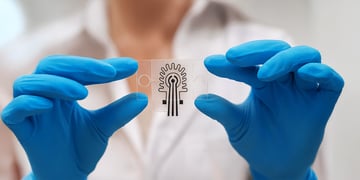
It shouldn't be difficult to stay hydrated. But sometimes, it really is. For anyone who’s concerned about whether they’re getting enough water or wants some help with hydration strategies, sweat tracking wearables might be the answer. They’re cutting-edge gadgets that offer us personalized hydration insights by analyzing our sweat in real time, potentially transforming our understanding of our bodies’ fluid needs.
This article explores how wearable hydration monitors go beyond the conventional wisdom of ‘drink eight glasses of water a day.’ We’ll look at how these monitors work and whether having a customized hydration plan might benefit you.
-
Wearable hydration monitors assess sweat composition and deliver tailored fluid and electrolyte recommendations in real time.
-
Compared to conventional thirst-based hydration techniques, modern devices provide more accurate insights by measuring sweat rate, sodium loss, and other biomarkers.
-
By preventing dehydration before symptoms appear, these monitors may help athletes, outdoor workers, and health-conscious people concerned about hydration.
Do hydration monitors work?
The short answer is, yes. Recent research into the advancements of wearable hydration monitors suggests that they are becoming increasingly more accurate. In order to determine your level of hydration in real time, these gadgets measure physiological indicators, such as:
- Sweat rate
- Sweat volume
- Electrolyte content
According to well-established research, when we begin to feel thirsty, we are already mildly dehydrated. And, even a 1–2% loss of body water can impair cognitive performance.
Personally, I’ve often noticed that before I’ve even realised I need a glass of water, my physical and mental reactions slow down. So, rather than relying on our physical feelings of thirst or symptoms of dehydration, wearable hydration monitor technology may be able to prevent dehydration by giving us a proactive notification before it kicks in.
Modern tools for monitoring hydration status
There are a number of cutting-edge wearable technologies that utilize sweat analysis to monitor water and electrolyte levels in our bodies. You can wear them throughout the day or while you exercise, depending on how and when you want to optimize your hydration.
Popular options for wearable sensors include rechargeable pods and single-use patches that send real-time information to your smartphone or smartwatch. They’ll generally measure fluid loss, potassium, and sodium concentration, and some even vibrate to remind you to hydrate during exercise.
The majority of hydration monitors will create customized hydration profiles based on your biology, level of exercise, and even your environment. You could think of it as a personalized water reminder that will notify you as soon as your levels dip, helping you stay on track throughout the day.
What is the best way to monitor hydration levels?
Combining the objective data from the devices and recognising the signs of poor hydration, we can learn to understand how our bodies signal for fluid before the symptoms negatively affect us. Here are the signs of poor hydration:
- Dark yellow or amber-colored urine
- Persistent thirst or dry mouth
- Fatigue and reduced energy levels
- Headaches or dizziness
- Decreased skin elasticity (skin tenting)
- Reduced urine output
- Difficulty concentrating or brain fog
- Muscle cramps during or after exercise
How quickly can drinking water hydrate you?
It’s important to remember that each person’s body works a little differently — not everyone will hydrate at the same rate. There are a number of variables that affect how quickly rehydration happens after you drink water. These include:
- How hydrated you already are
- Whether you have a full or empty stomach
- What you are drinking
If you only have mild fluid loss, it’s likely that you’ll feel the effects of rehydrating pretty quickly, usually within a matter of minutes. However, if you are severely dehydrated, you’ll need longer for the water to be absorbed into the body, and you’ll probably have to rest for a while while the water gets to work.
Rather than waiting until you feel extremely thirsty or notice other symptoms of dehydration, it’s better to stay ahead of your hydration needs. Prevention is more beneficial than playing catch-up.
It also matters what you drink. Sports drinks, beverages containing carbs, electrolytes, or other nutrients, may absorb at a different pace than plain water. Some wearable hydration monitors might suggest different kinds of drinks based on the electrolyte composition of your sweat.
Final thoughts on wearable hydration monitors
I do think that wearable hydration monitors represent a genuine leap forward in personal health tech. Our sweat contains valuable data, and analysing it can offer us highly personalized advice about what our bodies need at particular times. I think that using these tools to eliminate guesswork when it comes to fluid and electrolyte intake is extremely valuable, and becoming fluent in the language of our individual bodies is incredibly empowering.
Once we have that knowledge, even if we aren’t wearing a device, it’s more likely we’ll recognize the signals our bodies are putting out before we start suffering from the negative effects of dehydration.
FAQ
Is there a way to check hydration levels at home?
Yes. Beyond wearable monitors, you can check the color of your urine (pale yellow indicates good hydration), perform a skin turgor test (pinch skin on your hand — it should bounce back quickly), weigh yourself before and after exercise to measure fluid loss, or simply monitor thirst levels and energy throughout the day.
Does clear pee mean you're overhydrated?
No, not necessarily. Clear urine typically indicates excellent hydration, but consistently clear urine combined with frequent urination might suggest that you are overhydrated. Pale yellow is generally regarded as the ideal color. True overhydration (hyponatremia) is rare but can occur when excessive water intake dilutes blood sodium levels dangerously low.
Does pinching your knuckles show dehydration?
The skin turgor test works better on the back of your hand than on your knuckles. Gently pinch and lift the skin on the back of your hand. If it returns to normal immediately, it’s likely that you are well-hydrated. If it remains tented or returns slowly, you may be dehydrated. However, this test isn’t always reliable and becomes even less so with age as skin naturally loses elasticity.
3 resources
- JMIR mHealth and uHealth. Recent advancements in wearable hydration-monitoring technologies: scoping review of sensors, trends, and future directions.
- ACSM's Health & Fitness Journal. The hydration equation: update on water balance and cognitive performance.
- Stat Pearls. Adult dehydration.




Your email will not be published. All fields are required.