
As years go by, have you noticed weeks passing faster, memories getting duller, and then suddenly you start forgetting where you put your car keys? All of these are not coincidences but a result of cognitive aging.
Overall, it’s a normal process to go through, yet it can feel inconvenient or discouraging. Cognitive fitness is offered as a solution to keep you healthy, active, and social. It’s said to improve mental state and slow down the progression of age-related cognitive decline or even dementia.
So, what is cognitive fitness — is it needed, and where to start? In this article, I discuss all of these points and more.
-
Cognitive fitness preserves and improves cognition.
-
Consistently maintaining healthy habits throughout life may slow the onset of Alzheimer’s disease and age-related cognitive decline.
-
Cognitive fitness encompasses physical activity, balanced nutrition, a healthy sleep schedule, social engagement, and mental stimulation.
Why do we need exercises for the brain?
Growing up, we tend to do lots of cognitive exercises inadvertently through schooling, socializing, and exploring. It’s deemed a big part of the first few decades of life, as it ensures smooth inclusion into society and sets the tone for the rest of our lives.
By our early 30s, the prefrontal cortex (PFC) is fully developed, meaning overall brain development slows down. Yet, the PFC, hippocampus, and cerebellum never actually stop changing. In the long run, these alterations can be linked to executive function and long- and short-term memory decline. While it’s considered a normal part of aging that shouldn’t interfere with daily activities, a more severe cognitive impairment can be a risk marker for Alzheimer's dementia.
According to Neuroscientist Ramon Velazquez, PhD, cognitive fitness is a pillar for our decision-making abilities and adaptability, the same way physical fitness is responsible for mobility. Even simple activities like reading a book, playing board games, or working on a puzzle are all considered cognitive training.
As adults, we tend to vastly underrate the importance of maintaining entertaining activities for long-term brain health. Such pastimes should be incorporated into our daily routines from early childhood and continue throughout life. Remember that cognitive fitness can help preserve and improve cognitive functions, offering fulfillment and independence.
Lynette Abrams-Silva, a Clinical Neuropsychologist, PhD, explains further: “When a region of the brain goes unused, just as when a muscle goes unused, this can result in atrophy and raise the risk of dementia.”
What is dementia?
The word ‘dementia’ is an umbrella term for severe memory loss, with Alzheimer's disease being the most well-known cause of dementia. Alzheimer’s dementia shows up as a combination of cognitive and behavioral symptoms that seriously affect the ability to independently perform simple daily tasks.
Alzheimer’s dementia affects more than 6 million Americans today and takes over 100,000 lives each year. Some scientists say cases per year might double by 2060, largely because the United States population is aging and the number of older adults is increasing.
Besides supporting medication, there is no cure for Alzheimer’s disease available to date. Early symptoms of foggy memories are easily missed, and more serious effects are seen only after the illness has already significantly progressed. That said, Alzheimer’s disease does not always result in dementia, as healthy lifestyle choices might help slow down or halt progression.
How can cognitive fitness help?
A series of habits done for the improvement of brain health is what we call cognitive fitness. It can be divided into five most important factors, each of which may help improve overall brain performance.
1. Physical activity
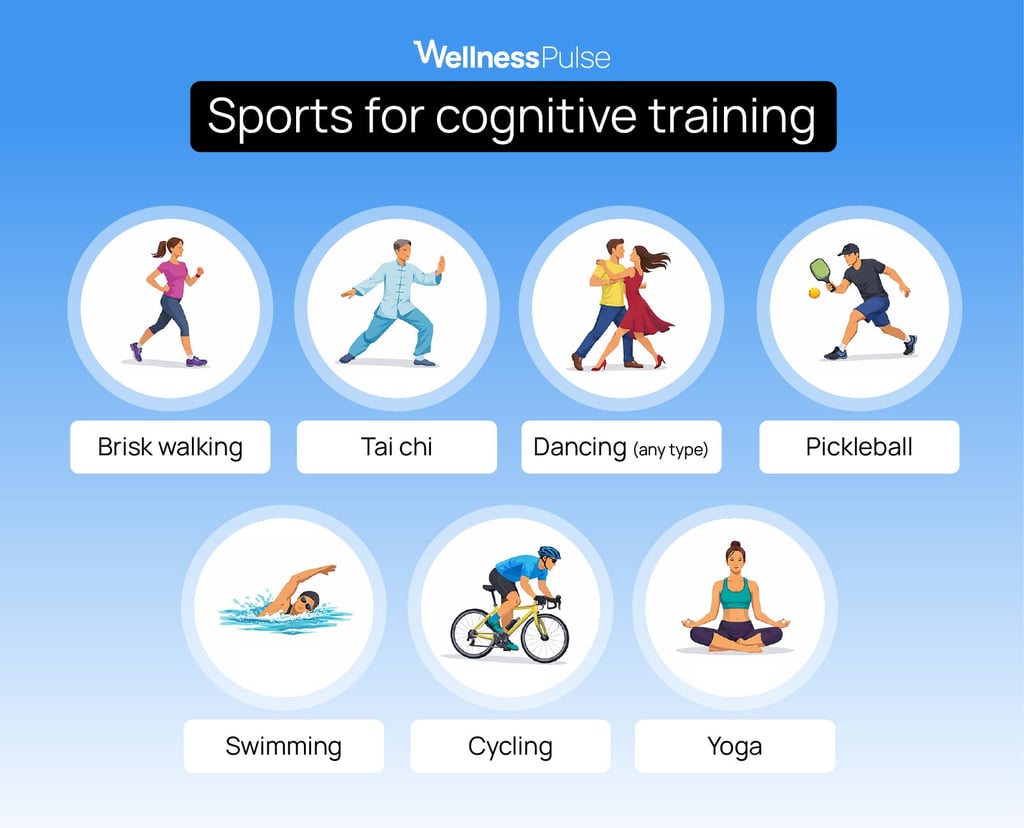
The risk of severe cognitive decline is closely related to physical inactivity. It’s well-known that fitness improves mobility and stamina, aids in weight loss, and builds muscle. Besides that, it might have an influence on the brain and mental health as well.
For now, intervention studies show inconsistent findings due to differences in assessments. Most researchers back up the claim that routine exercises, even stretching, can improve cognitive performance. Specifically, aerobic exercises continuously show positive outcomes for both healthy older adults and those who have mild cognitive impairment. Abrams-Silva mentions this as well, singling out sports like pickleball, dancing, and tai chi.
2. Nutrition
Food is fuel, so it’s no surprise that balanced nutrition is considered a part of cognitive fitness. Nutrients like glucose, protein, iron, zinc, and fats are essential for healthy brain development and functioning.
Current studies point out that processed foods might be a risk factor for the development of Alzheimer's disease, since they have been linked to inflammation, insulin resistance, and the accumulation of water-resistant proteins in the brain. This ultra-processed food category includes frozen meals, sugary drinks, luncheon meat, and most fast foods.
Although findings are still limited, they suggest that excessive and prolonged consumption of ultra-processed foods might have an effect on verbal fluency, language, and executive functioning.
According to 2025 data, most Americans exceed the recommended amount of added sugars, sodium, and saturated fats, all while often lacking needed nutrients.
Though shunning carbs, as many diets do, isn’t necessary, balanced nutrition is crucial for a healthy body and mind. The point is not to limit but rather find a balanced diet that can complement individual lifestyles.
Diets that have shown positive effects on cognitive performance include:
- MIND. It is a merger of Mediterranean and DASH (Dietary Approaches to Stop Hypertension) diets, created a decade ago. The MIND diet focuses on antioxidants, fatty acids, and B-group vitamins, combining fish, olive oil, plant-based foods, and whole-grain products. Both diets have also shown effectiveness in improving cognitive performance separately.
- Keto. This diet centers on increased fat and reduced carb intake, as well as eating a moderate amount of protein. It encourages seafood, fresh meat and poultry, dairy products without sugar, eggs, green leafy vegetables, avocados, olives, and whole-plant food consumption. While research on its effects on cognitive function is scarce, moderate carbohydrate reduction shows great promise.
- Caloric restriction (CR). This is a diet that concentrates on habitual eating behaviors. It encourages caloric reduction while maintaining needed nutrient intake. Products that support CR include leafy greens, root and cruciferous vegetables, watery fruits, chicken, fish, eggs, high-fiber produce, and whole plant foods. Findings of its effectiveness on cognitive function are inconsistent, though moderate approaches may offer modest benefits.
Supplement usage might also be beneficial for cognitive function. Although supplements are not as effective as nutritional meals, they still ensure that we get the needed amount of vitamins and minerals.
Findings of a large clinical study indicate that multivitamin usage over time might improve memory for recently presented information. Cognitive performance of older adults who took supplements was estimated to improve by around three years in age-related memory change, though no significant effects were seen on other cognitive measures.
3. Sleep and stress
As we know, a good night's sleep is needed to be productive during the day. Lack of it causes memory issues, declined emotional regulation, and slowed thinking and decision-making.
Although the actual link between rest and cognition is still unknown, the effects of sleep deprivation on executive functions are evident. While lack of sleep may not affect younger adults too negatively, that’s not the case for older people — their verbal fluency and motor skills take a significant hit after prolonged sleep deprivation. Velazquez stresses further:
One of the most impactful daily habits for brain health is prioritizing consistent, high-quality sleep. Sleep is essential for memory consolidation and for clearing metabolic waste from the brain. Even modest improvements in sleep regularity and duration can positively affect attention, mental clarity, and cognitive resilience over time.
With age, the quality of REM and deep sleep stages decreases, resulting in older adults getting less rest. Both less than five and more than 10 hours of sleep per night show notable negative effects on cognition, while 7–9 hours are the most beneficial. However, sleep quality is more important than the hours, as frequently waking up can cause a much quicker decline in thinking abilities.
Pain and stress might also affect sleep, and in turn, cognitive performance. Researchers note that in older adults experiencing higher pain, longer sleep is associated with reasoning and working memory improvement. However, for older adults who report mild or no pain, longer rest might decrease cognitive functions. Overall, the amount of sleep needed for efficient brain performance depends on the individual, so it’s important to adjust sleeping schedules accordingly.
4. Social connections
A lack of social interactions might be connected to accelerated cognitive decline in older adults. Just as socializing contributes to brain development in youth, it preserves cognitive functions like executive abilities, memory, and verbal skills in adulthood.
Interpersonal ties that provide social, emotional, and practical support might help maintain thinking, reasoning, and planning. Talking and listening to other people actually boosts brain performance by stimulating mental processing. Research continuously shows that people scoring higher in social connectedness or engagement tend to also score better in cognitive tests.
Being connected helps by giving opportunities for social stimulation, whether one-on-one or in a group activity. Going to church, a local market, or any event where socializing is encouraged helps fulfill productive social roles, maintain a sense of purpose, lower loneliness, and improve overall mood.
5. Learning
As children and young adults, we learn every day since so many things are new and accessible. With age, however, we tend to try out fewer and fewer different leisure activities, either fearing judgment or lacking time or resources.
Although results take time to appear, learning is crucial for preserving and improving our cognitive skills. An intervention with older adults suggests long-term improvements in cognitive performance by simultaneously learning three new skills for around three months. Positive outcomes include increased motivation for goal achievement, reasoning, problem-solving, and long-term memory of personal experiences.
It’s important to note that prior knowledge or educational experience is not needed for potential brain function improvements. Cognitive performance is related to the amount of time spent learning new skills and not schooling.
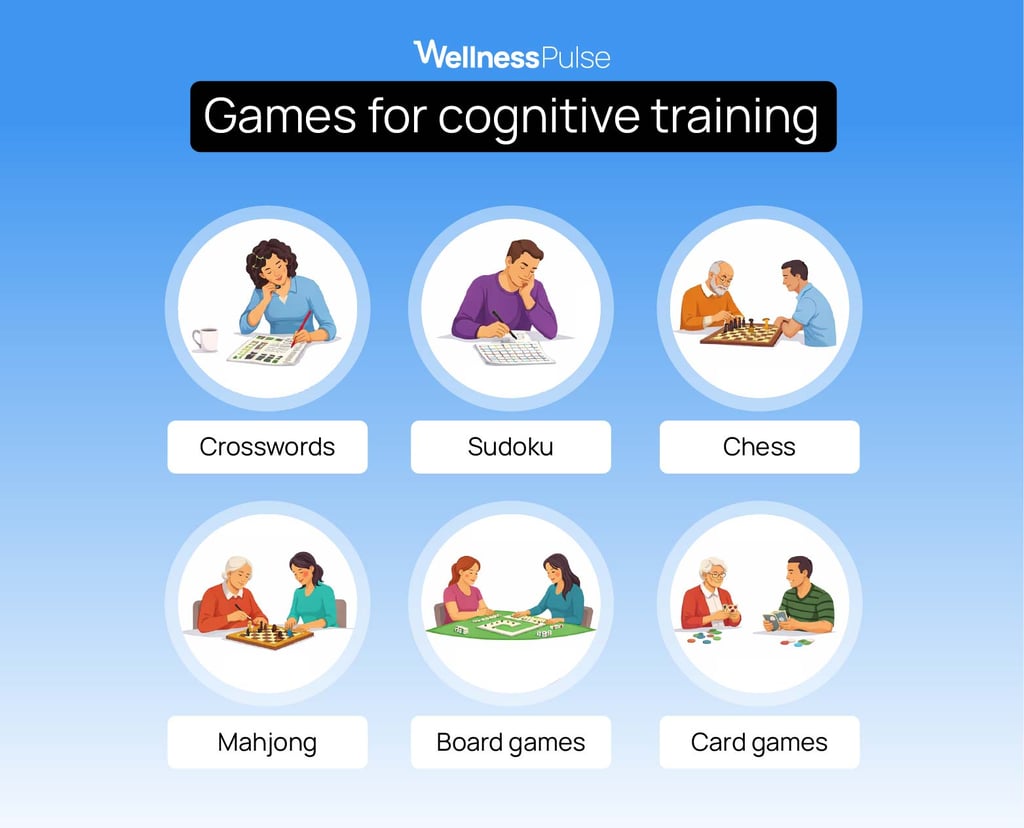
There are many types of skills and games that can help with cognitive performance. Some might require help from experts; some should be done in a group or by yourself. For verbal memory and verbal fluency, learning a foreign language is the most beneficial. Starting to play a new instrument helps with working memory and executive function, and playing chess or checkers improves reasoning skills. It’s best to combine a few types of skills for cognitive fitness and study them simultaneously.
Putting it all together
Cognitive fitness is a lifestyle approach that is accessible and recommended for people of any age. It supports overall well-being by promoting healthy nutrition, regular movement, good sleeping habits, socializing, and continuous learning. When practiced throughout life, these habits might slow down cognitive decline, age-related brain changes, and even halt the progression of Alzheimer’s disease or dementia.
That said, while many aspects of cognitive fitness show promising positive signs, brains are complex and individual. Overall, small habits that challenge the brain every day increase the chances for a meaningful, fulfilling, and long life.
FAQ
Does cognitive fitness improve memory?
Usually, yes. While there is an abundance of studies showing that cognitive fitness helps improve memory, its effectiveness varies person-to-person.
Is declining cognitive function normal?
Yes, mild cognitive decline is a normal part of aging. However, symptoms like rapid decline in thinking and memory point to more serious health issues that should be brought up to a doctor.
Is the MIND diet good for brain health?
Yes, various studies have shown that the MIND diet is beneficial for cognition.
9 resources
- Ageing and Society. The interrelationship between social connectedness and social engagement and its relation with cognition: a study using SHARE data.
- Aging & Mental Health One-year cognitive outcomes from a multiple real-world skill learning intervention with older adults.
- The American Journal of Clinical Nutrition. Multivitamin supplementation improves memory in older adults: a randomized clinical trial.
- Frontiers in Psychiatry. Evidence of effect of aerobic exercise on cognitive intervention in older adults with mild cognitive impairment.
- Frontiers in Nutrition. Consumption of ultra-processed foods and risk for Alzheimer’s disease: a systematic review.
- Journal of Clinical Sleep Medicine. Preliminary investigation of interactive associations of sleep and pain with cognition in sedentary middle-aged and older adults.
- International Psychogeriatrics. Effects of age on the relationship between sleep quality and cognitive performance: Findings from the Human Connectome Project-Aging cohort.
- Nature Medicine. Lifetime risk and projected burden of dementia.
- Nutrients. Effects of dietary interventions on cognitive outcomes.






Your email will not be published. All fields are required.