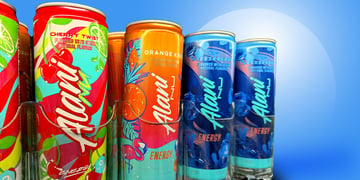
Sugar-free energy drinks like Alani Nu seem like a healthier alternative to sugar-loaded beverages, which are widely consumed among young adults. But does this mean they are risk-free?
About one in three Americans consume energy drinks, which are even more popular among Gen Z, 64% of whom have at least one energy drink a day, according to a 2025 survey.
Sugar content is one of the most important criteria when choosing energy drinks, with 19% respondents saying they are looking for sugar-free options, such as Alani Nu.
Here's what you need to know about its potential benefits and risks.
-
Alani Nu energy drink is a sugar-free beverage marketed to increase energy and endurance, support natural glow, and improve concentration.
-
It contains 200 mg of caffeine, different amounts of B-group vitamins, taurine, ginseng, and L-theanine, among other ingredients.
-
Experts say energy drinks aren't a reliable source of nutrients, and the positive impacts on energy should be mostly attributed to large amounts of caffeine.
-
The risks of energy drink consumption include increased risk of insomnia, worsening mental health issues, gastrointestinal problems, and cardiovascular risks.
What are the Alani Nu energy drink ingredients?
A can of Alani Nu energy drink contains 5 g of carbohydrates, of which zero are sugar. Instead, the drink uses artificial sweeteners erythritol, sucralose, and acesulfame potassium.
Alani Nu contains taurine, an amino acid that plays a role in energy production and is a common ingredient in energy drinks. However, the amount of taurine in the drink isn't specified.
The energy drink provides 200 mg of sodium per serving. While our bodies need small amounts of sodium to function properly, excessive consumption may raise blood pressure and the risk of heart disease. The American Heart Association (AHA) recommends adults consume no more than 2,300 mg of sodium a day, with an ideal goal of 1,500 mg.
With 1.8 mg of vitamin B6 per serving, the drink exceeds the recommended daily value (RDV), which ranges between 1.3 mg and 1.7 mg depending on age, with an exception for pregnant and lactating individuals.
A serving of Alani Nu contains 2.5 mcg of vitamin B12, slightly higher than the RDV of 2.4 mcg for most adults. The amount of biotin, or vitamin B7, is 30 mcg and equals the recommended daily value for most adults.
A serving of Alani Nu has 10 kcal, which doesn't significantly contribute to the standard caloric intakes of about 2,500 kcal for adult men and 2,000 kcal for adult women, depending on physical activity levels and other factors.
What is the caffeine content of Alani Nu energy drink?
There is 200 mg of caffeine in a can of Alani Nu energy drink. Most adults can safely consume up to 400 mg of caffeine a day, the Food and Drug Administration says.
However, some people may be more sensitive to caffeine's effects due to having certain medical conditions or taking medications. Pregnant and lactating women may also want to discuss the safe caffeine intake with their healthcare provider.
Health effects of Alani Nu energy drink
Alani Nu energy drink is marketed to bring 'extra boost to your busy day.' According to the manufacturer, biotin and B-vitamins support natural glow and concentration levels, and caffeine increases endurance and energy.
Marra Burroughs, a doctor of clinical nutrition and registered dietitian, says while energy drinks are enriched with nutrients, they should not be relied on as an alternative to a micronutrient-rich diet or to supplementation, when necessary.
The levels of certain B-vitamins in Alani Nu energy drink are added in amounts similar to, or slightly lower, than found in a multi-vitamin.
In my practice, many clients have come to me saying that they feel 'so much more energized' after consuming an energy drink such as Alani Nu versus a cup of coffee, and often attribute this to the added nutrients. Typically, consumers do not realize that one can of Alani Nu contains 200 mg of caffeine, more than double the standard 95 mg in a cup of coffee
Marra Burroughs, DCN, RD
Suzanne Hyslop, a nutrition specialist at Ocean Recovery, explains that caffeine can temporarily increase alertness. Still, it doesn't provide the body with lasting energy in the way that food containing complex carbohydrates, proteins, and healthy fats does.
The surge in energy is often followed by a slump, particularly if the drink is high in sugar.
Some Alani Nu ingredients, like ginseng and L-theanine, may help sustain energy beyond the initial boost one gets from caffeine, Burroughs says. For example, L-theanine has been associated with improved focus, while ginseng may reduce fatigue in some. However, more research is needed to better understand their effects.
Adam Kemp, a personal trainer with an MA in nutrition, says relying on energy drinks for long-term energy misses the bigger picture – true sustainable energy comes from consistent sleep, balanced nutrition, hydration, and physical conditioning.
Energy drinks can serve as a convenient pick-me-up, but they should not replace healthy lifestyle habits.
Adam Kemp
Side effects of Alani Nu energy drink
Regular consumption of energy drinks or other caffeine-containing beverages in moderation is likely not a concern and should be evaluated for tolerance on an individual basis, according to Burroughs.
However, excessive caffeine intake may raise the risk of insomnia and poor sleep, headaches, osteoporosis, worsening anxiety or depression, and gastrointestinal symptoms like diarrhea and stomach cramping.
A common concern with energy drinks is high sugar content, Hyslop says. While this is not the case with Alani Nu and other sugar-free versions, the combination of stimulants can still put a strain on the cardiovascular system if taken regularly or in large amounts.
Kemp says that sugar-free options can still create dependency, leading people to feel they 'need' an energy drink to function.
Does Alani Nu energy drink help with weight loss?
There is no strong evidence that regular consumption of energy drinks can help with weight loss.
A 2008 clinical trial included 60 healthy adults who consumed an energy drink or a non-caffeinated placebo drink for 28 days. The energy drink group saw a slightly greater reduction in the percentage of body fat and fat mass. However, the study was funded by the industry, and the findings failed to be replicated.
On the contrary, a 2024 review concluded that there is no evidence that energy drinks impact body composition.
Caffeine, which is added in larger amounts to energy drinks, has been associated with weight loss, although further studies are needed to draw definitive conclusions.
The takeaway
Alani Nu energy drink can provide short-term energy due to its high caffeine content, while ingredients like ginseng and L-theanine can potentially contribute to more sustained energy.
However, energy drinks are only a quick fix, and shouldn't replace sustainable energy sources like consistent sleep, balanced nutrition, hydration, and physical conditioning.
12 resources
- Birth Defects Research. Taurine, caffeine, and energy drinks: Reviewing the risks to the adolescent brain.
- CDC. About sodium and health.
- American Heart Association. How much sodium should I eat per day?
- NIH Office of Dietary Supplements. Vitamin B6.
- NIH Office of Dietary Supplements. Vitamin B12.
- NIH Office of Dietary Supplements. Biotin.
- The National Heart, Lung, and Blood Institute. Calories needed each day.
- FDA. Spilling the beans: How much caffeine is too much?
- Nutritional Neuroscience. Effect of L-theanine on selective attention in a traffic-related reaction task in sleep-deprived young adults: a double-blind placebo-controlled, crossover study.
- Journal of Korean Medical Science. Efficacy of ginseng supplements on fatigue and physical performance: a meta-analysis.
- Journal of the International Society of Sports Nutrition. Efficacy and safety of a popular thermogenic drink after 28 days of ingestion.
- Nutrients. Common questions and misconceptions about energy drinks: What does the scientific evidence really show?





Your email will not be published. All fields are required.