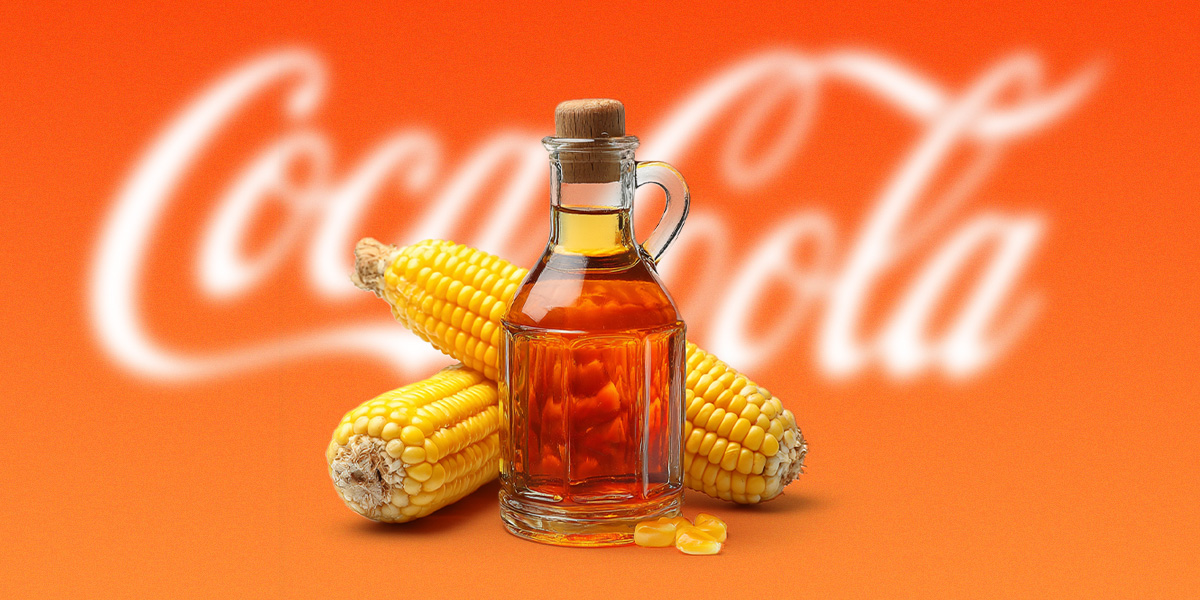
This fall, Coca-Cola will undergo a Trump-approved change: instead of high-fructose corn syrup, cane sugar will be used in its U.S. formula. This formula is currently used in Mexico, with Mexican Coca-Cola sometimes being imported to the U.S. due to its flavor.
-
Coca-Cola will contain white sugar instead of high-fructose corn syrup.
-
This formula is already used in Mexico.
-
Both sweeteners are regarded as added sugars and are harmful when consumed in excess.
-
From a nutritional standpoint, there are very few differences between these sweeteners.
-
High-fructose corn syrup is cheaper to produce than white sugar.
Initiated by Trump, is this change any good?
“I have been speaking to Coca-Cola about using REAL Cane Sugar in Coke in the United States, and they have agreed to do so. I’d like to thank all of those in authority at Coca-Cola. This will be a very good move by them — You’ll see. It’s just better!” wrote Donald Trump on Truth Social.
However, “just better” might be misleading.
New Coca-Cola will not be better for your health
While high-fructose corn syrup is deemed harmful when consumed in excess, it is not much different from ‘real’ cane sugar.
“Cane sugar is often mistaken for being a ‘natural’ and therefore ‘healthier’ sugar due to its decreased processing,” explains Nikki Fata, a registered dietitian. However, the differences in processing do not make it any better.
“Cane sugar and high-fructose corn syrup are essentially sugar, with cane sugar consisting of 50% glucose and 50% fructose, while HFCS contains 55% fructose and 45% glucose. Therefore, nutritionally, they are very similar,” further explains Staci Gulbin, a registered dietitian of 15 years with over a decade of experience.
In other words, both are categorized as added sugars that increase calorie intake without providing any nutritional benefits.
In fact, scientists haven’t noted any significant differences in the effects of cane sugar and corn syrup on metabolism and hormones, and the small differences between their fructose and glucose percentages do not make them nutritionally distinct from one another.
Beverages containing added sugars are considered one of the main contributors to the epidemic of obesity, as seen from research studies, and should be limited. Promoting the new Coca-Cola version as healthier would be misleading.
Will the new Coca-Cola taste different?
While the overall flavor profile will stay familiar, some people might notice the change.
Mexican Coca-Cola, which uses cane sugar, is sometimes preferred over American Coca-Cola, which contains high-fructose corn syrup. Fans of the former often describe it as having a cleaner, crisper taste with less of a syrupy aftertaste. With this change, there will be no difference between them.
Those who’ve long sought out the cane sugar version may find the new formulation more appealing.
Might be more expensive
High-fructose corn syrup is used so widely because it is a more cost-effective option for large-scale production. Replacing it with cane sugar, which tends to be more expensive, could increase production costs.
Whether this change will significantly impact the final price consumers pay is still unclear.
3 resources
- Advances in Nutrition. Sucrose, high-fructose corn syrup, and fructose, their metabolism and potential health effects: what do we really know? https://pmc.ncbi.nlm.nih.gov/articles/PMC3649104/
- The American Journal of Clinical Nutrition. Intake of sugar-sweetened beverages and weight gain: a systematic review. https://pmc.ncbi.nlm.nih.gov/articles/PMC3210834/
- Nutrients. Effects of consuming beverages sweetened with fructose, glucose, high-fructose corn syrup, sucrose, or aspartame on OGTT-derived indices of insulin sensitivity in young adults. https://www.mdpi.com/2072-6643/16/1/151






Your email will not be published. All fields are required.