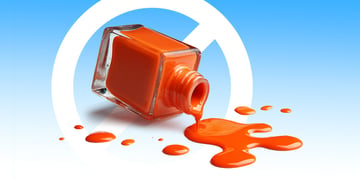
European countries have banned trimethylbenzoyl diphenylphosphine oxide (TPO), a photoinitiator commonly used in gel manicures, due to its potential effects on the reproductive system. As the substance isn't regulated in the United States, what could American consumers do to minimize the risks?
Gel manicures rose in popularity in the 2000s, thanks to their durability and long-lasting effects. At the same time, there's growing concern over the risks associated with getting gel nails done.
Prolonged and repeated exposure to UV nail lamps, used to harden or cure gel polish, may pose a low risk of skin cancer, according to a 2024 study. The authors suggested using UV-blocking gloves or properly applying sunscreen to reduce the potential risk.
Emerging evidence over the harmful effects on the reproductive system prompted the European Union (EU) to prohibit the use of TPO in cosmetic products starting from September 1st. In the United Kingdom (UK), the ban is expected to come into effect next year.
So, what is known about the TPO risks, and what can be done to prevent them in countries where TPO-containing products are still used?
-
European countries have banned TPO, a photoinitiator used in gel manicures, citing risks to the reproductive system.
-
Experts say the move is precautionary, as evidence mainly comes from animal studies, and doesn't necessarily apply to humans.
-
In the US, where TPO is allowed, consumers can reduce the risks by asking for TPO-free nail products, spacing out gel manicures, and using a protective base coat.
-
Pregnant individuals or those trying to conceive may want to avoid products with TPO altogether, an expert says.
What is trimethylbenzoyl diphenylphosphine oxide?
Trimethylbenzoyl diphenylphosphine oxide is a yellow substance used as a photoinitiator to fasten gel polish's curing or hardening under the ultraviolet (UV) light.
TPO is also widely used in the dental industry as a photoinitiator in dental fillings. However, the European ban applies only to cosmetic ingredients.
What are the risks of using TPO?
European regulators classified TPO as a substance toxic for reproduction in 2023. The move was primarily based on evidence from animal studies, associating the use of TPO with complete infertility in female rats and effects like reduced testes size and sperm depletion in males.
However, the doses tested in the trial were much higher than the exposure humans experience when getting nails done. Most importantly, the rats received TPO orally, which isn't the case for gel manicures.
Dr. Hannah Kopelman, a dermatologist at DermOnDemand, says the evidence linking TPO to reproductive risks in humans is limited.
The European Union is banning it out of caution, since even though we don't yet have large-scale human studies proving harm, the potential risks were enough to warrant stricter regulation. From a medical perspective, I view this as more of a precautionary move rather than a response to strong human evidence.
Dr. Hannah Kopelman
Is TPO banned in the US?
There are no regulations in place banning the use of TPO-containing products in the US.
How do I reduce the risk?
If you live in the US and are concerned about the potential effects of TPO, there is something you can do to reduce these risks.
Kopelman advises being proactive and asking the nail salon about the products they're using. Gels or polishes labeled 'TPO-free' are the safest option.
"I also suggest minimizing unnecessary exposure by spacing out gel manicures, using a protective base coat, and making sure the nail technician works in a well-ventilated space," she says.
Avoiding products with TPO altogether is a reasonable precaution for pregnant individuals and those trying to conceive, as well as those particularly health-conscious, even if there's currently no definitive data available, Kopelman adds.
The verdict
Although there is no substantial evidence that TPO harms the human reproductive system, the EU and the UK took the precautionary approach and banned the substance.
Individuals living in countries unaffected by the ban may reduce the risks by opting for TPO-free products, spacing out manicures, and using a protective base coat.
3 resources
- European Journal of Dermatology. A systematic review of the risk of cutaneous malignancy associated with ultraviolet nail lamps: what is the price of beauty?
- Cosmetic Ingredient Review. Safety assessment of trimethylbenzoyl diphenylphosphine oxide as used in cosmetics.
- Official Journal of the European Union. Amending Regulation (EC) No 1223/2009 of the European Parliament and of the Council as regards the use in cosmetic products of certain substances classified as carcinogenic, mutagenic or toxic for reproduction.






Your email will not be published. All fields are required.