The vagus nerve is an important pathway connecting your brain with many organs, while also playing a role in regulating your body’s autonomic functions. That’s why vagus nerve stimulation (VNS) has attracted attention as a potential approach to supporting stress management.
There are plenty of ways to deal with stress, but many focus on short-term relief. Building resilience and supporting your ability to respond to stress may be another approach worth exploring.
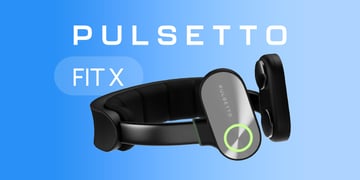
That’s where Pulsetto FIT X takes the lead. It's an at-home, non-invasive transcutaneous cervical vagus nerve stimulation (tcVNS) device designed to support stress, sleep, relaxation, and overall well-being.
In this Pulsetto FIT X review, we’re putting it through its paces to see how it fits into a stress-management routine. We cover what it is, how it works, what it’s like to use, and how it compares to other VNS products.
Help your body relax, reduce stress, and improve sleep with the Pulsetto Fit X

Pulsetto FIT X overview
Before we get into the details, here’s a quick overview of Pulsetto FIT X, along with the main pros and cons we found:
| Price | $399.00 |
| Technology | Transcutaneous cervical vagus nerve stimulation (tcVNS) |
| Battery life | Up to 12 days |
| Intensity levels | 1–15 |
| Modes | 5 free + 3 with subscription |
| Session time | Recommended 4–10 minutes, twice a day |
| Subscription | $139/year (optional) |
| Warranty | 2 years |
What does Pulsetto offer?
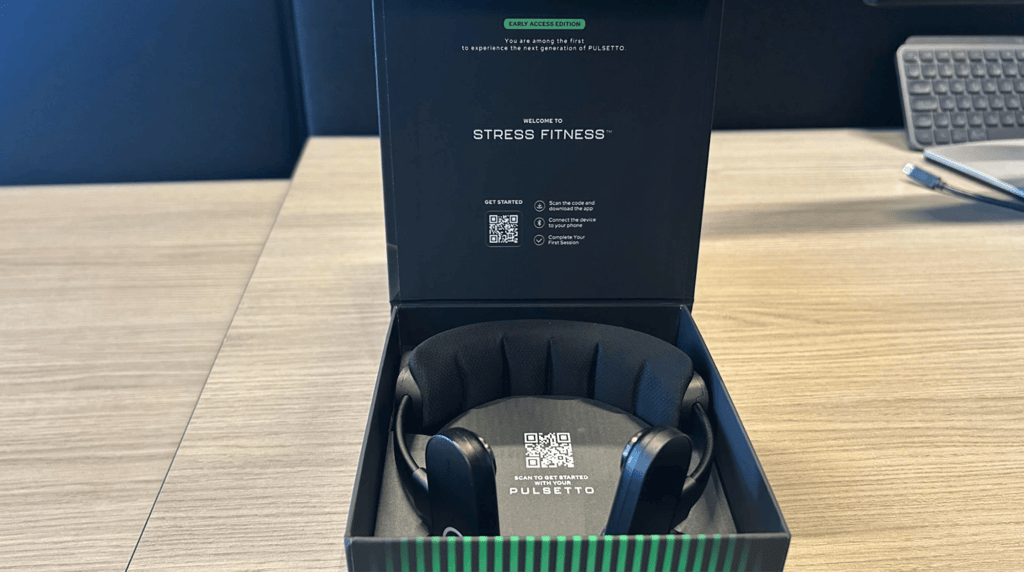
Pulsetto FIT X is a neck-worn vagus nerve stimulation device, released in late 2026. Like other Pulsetto models, it uses bilateral stimulation, meaning it targets both sides of the neck at the same time.
One of the more noticeable design changes is the angle of the electrodes, which creates what looks like a ‘V’ or ‘X’ shape depending on how you look at it. Whether this positioning offers any additional effect, though, remains unclear.
This time, Pulsetto says its focus is particularly on building resilience, while also making the process as engaging as possible from the user’s point of view. The brand's idea is clear: stress is part of everyday life, so rather than trying to eliminate it altogether, we should learn to better manage our response to it.
That’s where Pulsetto’s ‘Stress Fitness’ concept comes in. Just as you exercise your muscles to build strength, regular vagus nerve stimulation sessions are intended to train your nervous system’s ability to respond to stress.
Yet, whether this translates into noticeable benefits will vary from person to person, and there’s still more research needed to confidently say it's effective.
How does neck-based vagus nerve stimulation work?
Are you wondering how exactly a neckband may interact with your nervous system? Well, neck-based vagus nerve stimulation is known as tcVNS, and it uses electrodes placed on the skin of the neck to deliver controller electrical pulses towards the cervical vagus nerve.
Here’s how Pulsetto FIT X is designed to work:
- The electrodes sit on the sides of your neck. The cervical vagus nerve runs deep in the neck alongside major blood vessels. Pulsetto positions its electrodes over the approximate path of the nerve.
- Electrical pulses pass through your skin. The stimulation has to travel through the skin and surrounding tissues to reach nerve fibers. This is where the conductive gel comes in to help maintain good electrical contact between the electrodes and skin.
- Your vagal nerve fibers may be recruited. The goal is to activate fibers within the cervical vagus nerve. Research suggests that cervical stimulation may recruit larger vagal fibers. Although, the electrical field isn’t perfectly selective, so other nearby nerves may also be affected.
- Signals travel towards your brain. Many vagal nerve fibers carry information from the body towards the brain. These fibers connect with the nucleus tractus solitarius (NTS) in the brainstem, which is involved in processing signals related to autonomic regulation and other body functions.
- Your nervous system may respond. Some studies have observed changes in measures like heart rate, blood pressure, and brain activity following tcVNS. But, the mechanisms aren’t fully understood, and results vary per person.
The basic idea behind tcVNS is relatively simple, but what happens beyond those electrical pulses is considerably more complex. For Pulsetto FIT X, the aim is to use that interaction with the vagus nerve as part of a regular ‘Stress Fitness’ routine, but it’s not a promise of instant fix for stress.
How to use Pulsetto FIT X?
Although the science behind vagus nerve stimulation can get complicated, Pulsetto has kept the actual user experience simple and relatively quick. Sessions are designed to be short, with a recommended routine of around 4–10 minutes twice a day.
Luckily, each program in the companion app has its own timer, so you don’t need to keep checking the clock.
You also don’t need to push through an uncomfortable session. Vagus nerve stimulation can feel unusual at first, and some users may need time to get accustomed to the sensation. If the stimulation becomes uncomfortable or painful, lower the intensity or stop the session. There’s no reason to turn this into a test of endurance.
The role of the companion app
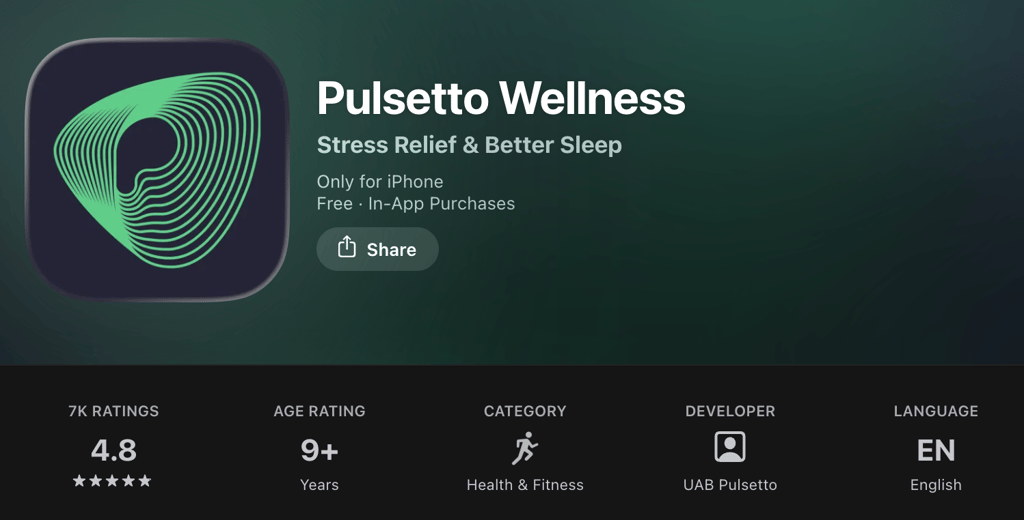
One thing you’ll quickly notice is that Pulsetto FIT X remains app-dependent for setup and program selection. Thankfully, the latest update introduces an offline mode, so you can continue using the device without an internet connection once it’s set up.
The Pulsetto Wellness app is free to download on Android and iOS. We have to give Pulsetto some credit here, as the latest version feels considerably more polished. Setup is smoother, the interface is easier to navigate, there’re plenty of engaging features for tracking your progress, and the different modes come with clear explanations of when you might want to use them.
Sessions are built around preset programs: Focus, Stress, Calm, Sleep, and Release. A Premium Membership unlocks three additional programs, bringing the total to eight. The app provides more detail about each one, including suggested situations for using them and intended longer-term goals.
Your Pulsetto FIT X routine
Adding another task to your day isn’t always easy, so it’s worth considering how Pulsetto FIT X fits into your existing routine before committing to the purchase.
Here’s what using the device for the first time looks like:
- Charge Pulsetto FIT X using the included charging cable
- Download Pulsetto Wellness on your smartphone or tablet while the device charges
- Create or sign in to your Pulsetto account and complete the initial setup
- Once charged, turn on the neckband and enable Bluetooth on your phone or tablet
- Connect the device to the app — the button on the neckband will glow green and the available programs will appear in the app
- Apply the conductive gel on your neck or directly on the electrode pads
- Position the neckband so the electrodes sit comfortably on either side of your neck
- Choose your program, then set the intensity and start the session
- If you barely feel anything during the session, you can gradually increase the intensity, and if you feel uncomfortable — reduce it
- Complete at least four minutes of stimulation, or follow the times for your chosen program
- End the session and remove the neckband
- Clean the electrodes and your skin with a dry or slightly damp cloth to remove any remaining gel
- Store the device until you’re ready for your next session
The brand recommends two sessions per day, meaning Pulsetto can take anywhere from roughly eight to over 20 minutes of your day depending on the programs you choose. That’s not a huge time commitment, but consistency is part of the concept. If you already have a packed daily routine, ask yourself whether you’re realistically going to make room for another habit.
What are the differences between Pulsetto models?
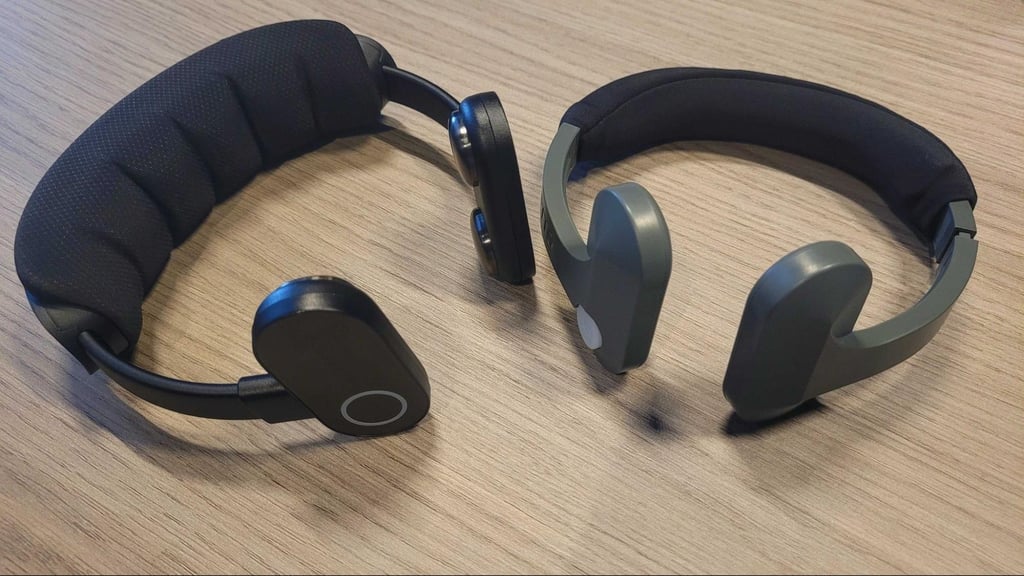
Pulsetto currently has three models in its lineup: Lite, FIT, and FIT X. At a glance, they are relatively similar and use the same companion app. But, each generation has introduced changes to comfort, fit, materials, and functionality.
Pulsetto Lite is the original model, released in 2024. It’s smaller and lighter than the newer versions, but its simpler neckband doesn’t have the same cushioning. Battery life is also the shortest of the three, lasting up to around a week depending on use.
The Pulsetto FIT model, released in 2025, brought a more refined design with additional cushioning and a more adjustable fit. This may particularly be useful for users who found the original model less comfortable or difficult to position. It also has a more premium-looking finish and uses nine intensity levels.
Then there’s the new Pulsetto FIT X, which takes the same basic formula and polishes it further. The neckband has improved cushioning, while the electrodes are larger and slightly angled. The materials and overall finish also feel more refined, giving the device futuristic, luxurious appearance.
The biggest changes aren’t limited to the hardware. Since all three models use the same app, older Pulsetto models owners can benefit from many of the software improvements. Where FIT X sets itself apart is the expanded intensity range.
Other popular vagus nerve stimulation devices
The 2026 vagus nerve stimulation market is packed with devices that take very different approaches to supporting the nervous system. If you’re considering Pulsetto FIT X, these alternatives are also worth looking at, particularly if you’re not a fan of neck-based stimulation.
| Device | Pulsetto FIT X | Nuropod | SONA | Sensate |
| Price | $399.00 | $810.00 | $937.00 | From $269.10 |
| Placement | Neck | Ear | Ear | Chest |
| Technology | tcVNS | taVNS | taVNS | Vibration + music |
| Warranty | 2 years | 2 years | 1 year | 1 year |
| App | Yes | No | Yes | Yes |
| Verdict | Best neck-based option | Most studied vagus nerve stimulation device | Best personalized stimulation | Best non-electrical relaxation |
Potential benefits of Pulsetto FIT X
Pulsetto FIT X is designed to support stress management, relaxation, sleep, and overall wellness, while the brand also positions it as a tool for building resilience over time. These are areas researchers are exploring with transcutaneous vagus nerve stimulation (tVNS), but the evidence is still developing.
Also, it’s important you understand that most studies look at ear-based vagus nerve stimulation (taVNS), rather than neck-based ones like Pulsetto FIT X.
Stress and anxiety
One of the most interesting and best studied areas of tVNS is its potential effect on stress. The theory is that stimulating vagal pathways may influence brain regions and autonomic processes involved in stress regulation.
There is some encouraging evidence. A 2025 randomized controlled trial involving 70 adults found that active tVNS use reduced anxiety symptoms and perceived stress more than a sham stimulation.
Keep in mind that individual responses may vary, and this isn’t proof that Pulsetto FIT X is effective.
Sleep quality and relaxation
Sleep is another area where vagus nerve stimulation devices may help. Researchers are investigating whether vagal stimulation can influence autonomic activity and processes involved in sleep regulation.
Some trials have reported improvements in sleep quality and insomnia measures with tVNS, although the studies vary considerably in their methods and stimulation locations.
Potential pain relief
Vagus nerve stimulation is also studied for pain and other related conditions. However, this part of research is still too broad and varied to say that devices like Pulsetto FIT X should be used as primary support.
We found that some scientific studies suggest that tVNS may modulate pain perception by stimulating the vagus nerve, but actual mechanisms are unknown. Ultimately, think of the potential benefits as areas of research rather than promises.
What are the risks?
Vagus nerve stimulation is generally well tolerated by most healthy adults, but it’s not completely free of potential side effects. Most reported effects include skin irritation, headache, and overall discomfort around the electrode area.
Because FIT X delivers electrical stimulation through the neck, you shouldn’t use it without medical advice if:
- You have a heart condition
- You have implanted electronic device
- You have neurological conditions
- You are pregnant
- You take certain medications
The same applies if you aren’t sure whether vagus nerve stimulation is appropriate for you. Better to be safe than sorry.
Price and subscription
Speaking of price, Pulsetto FIT X is currently the priciest product in the brand’s lineup at $399.00. Even so, Pulsetto remains one of the more affordable options using tVNS technology.
You also get a 2-year warranty and a 30-day return period, with straightforward policies. The only notable downgrade from previous models is the amount of conductive gel included. Earlier boxes came with a 60g bottle, while FIT X cuts that amount in half, meaning you’ll likely need to replace it more often.
Then there’s the optional Premium Membership, which costs $139 a year. You can use FIT X without it, but subscribing unlocks additional features, including the Stress Resilience Score, Stress Score, Sleep Score, and HRV logging.
Bottom line
Pulsetto FIT X could be a worthwhile addition to your stress-management routine, but only if you’re willing to use it consistently and keep your expectations realistic. Vagus nerve stimulation isn’t a magic fix for stress, sleep, or overall well-being, and experiences can vary from person to person.
If you’re comfortable wearing a neck-based device, FIT X could be a good starting point: comfortable and good quality, yet relatively affordable compared to some rivals.
Ultimately, whether it makes sense for you will come down to your budget, daily routine, and personal goals. And before using it, particularly if you have an existing health condition or circumstance, it’s worth checking with your healthcare professional first.
FAQ
Is Pulsetto legit or scam?
Pulsetto is a real consumer device that uses non-invasive transcutaneous vagus nerve stimulation. While research into specific wellness benefits is still developing, Pulsetto markets its devices for stress management and overall well-being rather than as a guaranteed treatment.
Does Pulsetto work without the app?
No, not for normal use. Pulsetto’s setup and stimulation programs are controlled through its app. You can use the app offline, but you’ll still need it to select a program. The free version is enough for basic use, while Premium is optional.
Can Pulsetto cause nerve damage?
There’s no good evidence that properly used vagus nerve stimulation may cause nerve damage. Pulsetto is generally considered safe for at-home use for most healthy adults.
Can Pulsetto help with depression?
Possibly, but it isn’t established as a depression treatment. Vagus nerve stimulation is being studied for its potential effects on depressive symptoms, but this doesn’t mean Pulsetto will necessarily improve depression. If you have depression, Pulsetto shouldn't replace prescribed treatment.
6 resources
- Without getting under your skin: non-invasive stimulation activates the vagus nerve. Frontiers in Neuroscience.
- Acute transcutaneous cervical but not auricular vagus nerve stimulation increases alpha wave brain activity and lowers arterial blood pressure. American Journal of Physiology-Regulatory, Integrative and Comparative Physiology.
- Effects of transcutaneous vagus nerve stimulation on subthreshold affective symptoms and perceived stress: findings from a single-blinded randomized trial in community-dwelling adults. Biological Psychology.
- Transcutaneous vagus nerve stimulation influences sleep quality and insomnia: a systematic review and meta-analysis. Sleep Medicine Reviews.
- Role of vagus nerve stimulation in the treatment of chronic pain. Neuroimmunomodulation.
- Safety and tolerability of transcutaneous vagus nerve stimulation in humans; a systematic review. Brain Stimulation.





Your email will not be published. All fields are required.