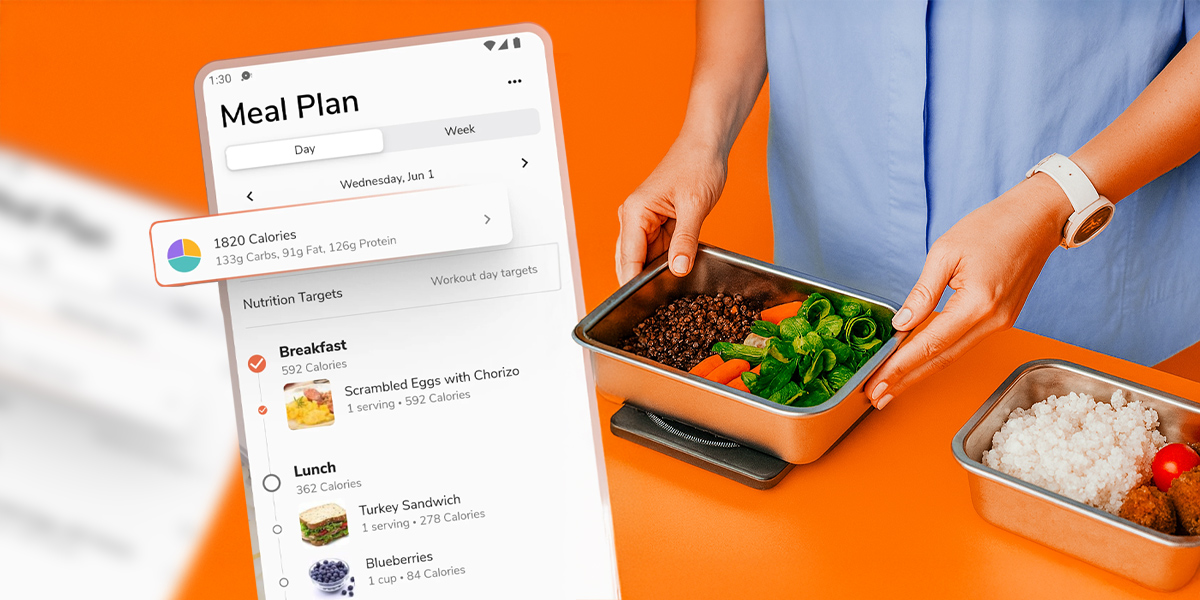
Deciding what you want to eat for dinner may be the last thing you want to do after a long day at work. So, what if there were an artificial intelligence tool to make the decision for you? We looked into whether Eat This Much, an AI-powered meal planner, can help you plan a balanced diet.
Nearly nine in ten (89%) Americans believe that cooking meals at home helps them save money on food and is a healthier alternative to eating out, according to a 2025 survey.
However, it also appears to be the chore many want to avoid. One survey suggests that 44% of Americans would rather have dinner planned, prepared, and served every night by someone else than take a dream vacation.
The increasing use of generative artificial intelligence (AI) in nutrition promises to alleviate the burden of meal planning. We analyzed whether one of these tools, the Eat This Much AI meal planner, can simplify meal planning while maintaining a balanced diet.
-
Eat This Much AI meal planner provides quick and nutritious meal recipes and allows ordering groceries from major retail chains in the US.
-
Although the suggested meals align relatively well with nutritional guidelines, some are excessive in sodium and dietary cholesterol, the WellnessPulse analysis suggests.
-
Experts say that AI meal planning tools can help save time, reduce decision fatigue, and make healthy eating more accessible.
-
However, AI often doesn't consider factors like lifestyle, gut health, and diet history, resulting in recommendations that may not fully meet a person's nutrition needs.
How does Eat This Much work?
Eat This Much creates personalized meal plans based on the user's food preferences, budget, schedule, and weight goals.
To create a personalized experience, users can choose their primary diet, with options including the 'anything' diet that involves all foods and more specific dietary patterns like the keto, Mediterranean, paleo, vegan, and vegetarian diets.
The app allows users to exclude specific foods from the recommended meals and design their meal layout, adjusting the preparation difficulty level and nutritional density of each meal according to their preferences.
Eat This Much calculates the recommended calorie and macronutrient intake, taking into consideration the user's weight, height, sex, age, and physical activity levels.
For every meal, the app provides the list of ingredients, cooking instructions, and the meal's breakdown of macronutrients, fiber, sodium, vitamins, minerals, and amino acids, among others.
The app also has an integrated grocery delivery feature that enables users to order food from Amazon Fresh, Instacart, Whole Foods, and Walmart.
Eat This Much meal planner review
The app recommended I consume 1,844 kcal daily to maintain weight while staying lightly physically active, with three to four workouts per week.
According to Eat This Much, here's the recommended daily macronutrient breakdown for me:
- Carbohydrates: 34-231 g
- Fats: 63-103 g
- Protein: 74-231 g
In a standard 2,000 kcal diet, an adult should consume 225 to 325 g of carbohydrates, 78 g of fats, and 50 to 175 g of protein per day, according to the Dietary Guidelines for Americans.
Sandra Vigelienė, BSc, a researcher with a background in nutrition, says Eat This Much may seem to provide a more protein and fat-forward approach.
The very low end for carbohydrates may not meet some micronutrient needs to support optimal nutrition for many, and such restriction without specifically selecting low-carbohydrate diets or weight loss as key goals may not be necessary
Sandra Vigelienė, BSc
While the ranges aren't inherently inappropriate nutrition-wise, Vigelienė recommends fine-tuning nutritional needs based on personal health goals with a registered dietitian.
Choosing the Mediterranean diet as my primary diet automatically excluded red and processed meat, fruit juice, refined starches, and added sugar.
Due to gastrointestinal issues, I had to manually exclude a wide range of foods commonly eaten in the Mediterranean diet, such as beans, broccoli, chickpeas, and hummus, slightly limiting the variety of meals suggested by the Eat This Much planner.
Breakfast meal options mainly include different variations of avocado toast, eggs, and protein-rich pancakes.
Fish or poultry with salad were the most common suggestions for lunch and dinner, while the snack between meals often included plain yogurt with fruits.
Do the meals align with the dietary guidelines?
The American Heart Association (AHA) recommends consuming no more than 2,300 mg of sodium daily, with an ideal limit of 1,500 mg.
However, there were days when the sodium intake in the meals recommended by Eat This Much could reach 9,800 mg. This exceeds the recommended sodium intake by more than four times.
Prolonged excessive consumption of sodium is associated with increased blood pressure and the risk of heart disease and stroke long term.
If I had strictly followed the weekly plan, I would have consumed 37 to 50 g of fiber each day, way above the recommended daily intake of 22 to 34 grams.
Adequate daily fiber intake may contribute to blood sugar management, support heart health, and maintain digestive health, increasing satiety. However, a sudden increase in fiber can lead to digestive discomfort like bloating, gas, constipation, diarrhea, or cramps, according to the Centers for Disease Control and Prevention.
Individuals with conditions like irritable bowel syndrome (IBS), inflammatory bowel disease (IBD), and small intestinal bacterial overgrowth (SIBO) should be especially cautious about suddenly increasing their fiber intake, experts say.
The dietary cholesterol intakes in meals suggested by Eat This Much ranged between 46 and 551 g.
Previous dietary guidelines recommended consuming no more than 300 mg of dietary cholesterol. Although current advice focuses on limiting saturated fats, those trying to reduce their cholesterol levels should consume no more than 200 mg of dietary cholesterol daily.
Despite the high sodium intake, the meals suggested by the app were generally well-aligned with the Mediterranean dietary pattern, which emphasizes vegetables, fruits, whole grains, legumes, fish, and poultry.
Pros and cons of Eat This Much meal planner
Here are the pros of Eat This Much AI-powered meal planner:
- Suggested recipes are easy and quick to make.
- The macronutrient recommendations adhere relatively well to the federal nutrition guidelines, aimed to help maintain a healthy weight and reduce the risk of chronic diseases.
- The recommended meals may help ensure the recommended fiber intake, although it may be too high for individuals with certain gastrointestinal issues.
- Due to its simplicity, the app may be a great first step in developing the habit of meal planning.
However, there are some things users should be aware of before trying Eat This Much meal planner:
- Recipes start getting more repetitive if many foods are excluded. However, this reflects the real-life experience of people with more severe food restrictions.
- More experienced cooks used to more complex flavors may not necessarily be fully satisfied with the simplicity of the meals. However, they are unlikely to be the target audience of the AI meal planner.
- Following some daily meal plans would result in exceeding the recommended sodium and dietary cholesterol intakes, which should be avoided by people with heart issues.
- The recommended carbohydrate intake may be insufficient to meet nutritional needs.
Most importantly, no AI meal planner or calorie tracker is a silver bullet for improving diet and health. A balanced diet should always be combined with physical activity and quality sleep, as well as avoiding unhealthy habits like alcohol consumption and smoking.
Eat This Much cost
The basic Eat This Much version is free and allows planning the current day's meals and tracking nutritional intake.
The premium version costs $5.95 per month or $49 per year and provides weekly meal planning and a grocery list, among other functionalities. The premium version has a 14-day free trial period.
What are the benefits of meal planning?
Kristina Turnure, MS, a health and fitness coach, calls meal planning one of the most underrated tools for staying on track with health goals.
It helps reduce decision fatigue, supports better portion control, and makes it easier to stick to macronutrient and calorie targets. Moreover, it saves time during the week and can help you feel more in control of your nutrition.
I always recommend being proactive with bulk prepping and planning go-to meals rather than being reactive and eating on the fly if you have specific goals.
Kristina Turnure, MS
Meal planning has also been associated with a lower risk of obesity, better adherence to nutritional guidelines, and consumption of a greater variety of foods.
AI meal planners: benefits vs risks
Eat This Much is just one of the many AI meal planners available on the market. While they can make our lives easier, can they ensure our diet is balanced?
Turnure says AI can make nutrition feel less overwhelming, save people time, and make healthy eating more accessible.
However, nutrition is highly individual, and AI doesn't always take into context important factors like mindset, lifestyle, stress, gut health, and diet history.
"Relying too heavily on AI can lead to rigid thinking or ignoring biofeedback, such as energy levels, hunger cues, and digestion. AI responses may not be based on evidence-based nutrition, which can potentially lead people in the wrong direction," Turnure says.
Melissa Boufounos, a sports nutritionist who experimented with creating a meal plan using ChatGPT, says AI tools can help spark meal ideas or build a basic plan. However, they lack the nuance, context, and critical thinking that a trained nutrition professional brings.
The biggest risk is assuming the information is fully accurate or tailored when, in reality, they often miss the mark on things like portion sizes, allergies, and macronutrient balance.
The verdict
Eat This Much AI meal planner provides easy-to-make recipes that fairly well align with the nutritional guidelines if the Mediterranean diet is set as the primary diet. However, some recommended meals are excessive in sodium and dietary cholesterol, posing health risks if consumed regularly and long-term.
7 resources
- Dietary Guidelines for Americans. Dietary Guidelines for Americans 2020-2025.
- American Heart Association. What is the Mediterranean diet?
- American Heart Association. How much sodium should I eat per day?
- CDC. About sodium and health.
- MedlinePlus. How to lower cholesterol with diet.
- American Heart Association. What is the Mediterranean diet?
- International Journal of Behavioral Nutrition and Physical Activity. Meal planning is associated with food variety, diet quality and body weight status in a large sample of French adults.






Your email will not be published. All fields are required.