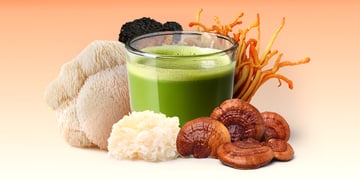
While the question of how do you like to get your caffeine fix did not have as many possible answers in the past, nowadays, there are plenty of caffeinated drinks to choose from. Beyond the classic cup of black coffee, many people now turn to matcha, a drink that itself has inspired a wide range of modern twists.
The mushroom matcha blend offers more than just a quick energy boost, but also the potential benefits associated with medicinal mushrooms.
However, is mushroom matcha truly better than regular matcha, or is it just another wellness trend?
-
Mushroom matcha combines the antioxidants of green tea with the adaptogenic properties of functional mushrooms.
-
Depending on the blend, mushrooms like lion’s mane, reishi, or chaga may support focus, relaxation, and immunity.
-
Many blends also include natural sweeteners or spices for flavor.
-
Some mushrooms may interact with blood thinners, immunosuppressants, or medications for diabetes or blood pressure.
What is mushroom matcha?
Mushroom matcha is green tea matcha blended with powdered functional (also referred to as medicinal) mushrooms. Unlike culinary mushrooms, these varieties of mushrooms, for example, lion’s mane, cordyceps, chaga, and reishi, are sought after for their potential adaptogenic benefits.
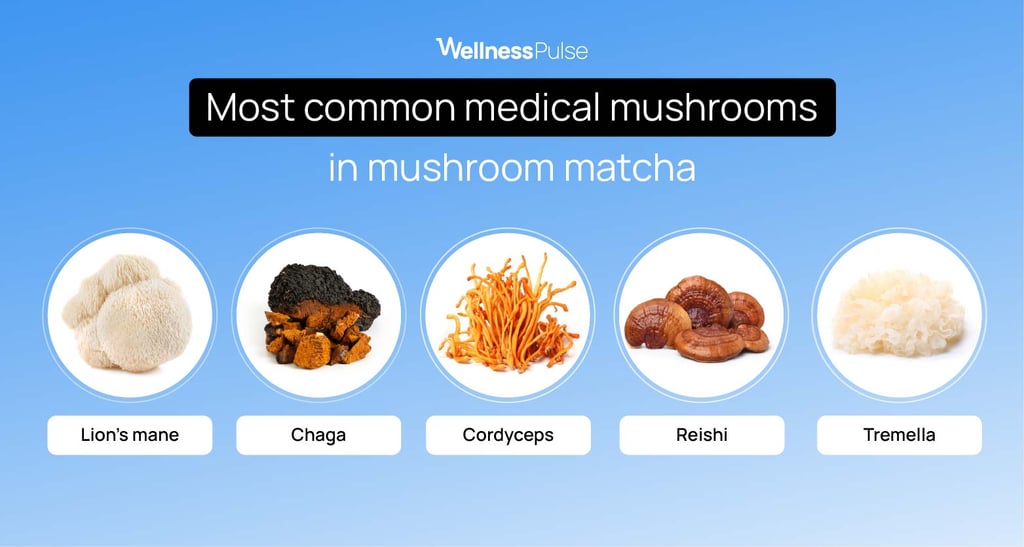
These mushrooms have long been used in traditional medicine. Today, they’ve found their way into dietary supplements and wellness drinks, with mushroom matcha being a new trending spin-off.
Many mushroom matcha blends also include natural sweeteners or spices to enhance flavor.
Matcha benefits
Many people swap coffee for matcha, since it delivers a unique kind of energy boost.
This is because, in addition to caffeine, matcha contains L-theanine, an amino acid that may provide calm, sustained energy. Due to this, matcha is considered to be gentler on the nervous system compared to coffee.
Matcha also contains various antioxidants (for example, catechins and phenolic acids) that may help protect cells from damage and support overall health.
Medicinal mushrooms benefits
The effects of medicinal mushrooms are not as widely studied, with their benefits mostly reported through traditional use and emerging research. Some of the mushrooms have more established backgrounds, while others have very little scientific support.
Lion’s mane
Lion’s mane is sought after for the potential to support focus, memory, and cognitive health.
“Compounds like hericenones and erinacins stimulate nerve growth factor synthesis, which may support cognition, mood, and even nerve repair,” highlights Jabe Brown, functional medicine and nutrition expert.
Chaga
Chaga is rich in antioxidants and may help protect against oxidative stress. As per Brown, in traditional medicine, it is also used for inflammation and blood sugar management.
Cordyceps
Cordyceps are thought to support energy levels. Other potential benefits include the potential effects on immune modulation, anti-inflammatory pathways, and glucose metabolism.
Reishi
According to Brian Chau, Food Scientist and Food Systems Analyst, reishi has long been valued in traditional Chinese medicine and later in Korean and Japanese practices. Often considered a leading adaptogen, reishi is associated with immune support thanks to compounds like beta-glucans and triterpenes.
Tremella
“Tremella is often seen as a skin and joint health support mushroom in traditional Chinese medicine,” says Chau. He explains that it may help promote skin hydration, support collagen production, and enhance overall skin health. These benefits are attributed to its content of vitamins, minerals, and polysaccharides, which can stimulate cellular growth.
Do you feel the effects of the mushrooms immediately?
Unlike the quick boost from matcha’s caffeine, functional mushrooms work gradually, with potential benefits building over time when used consistently.
What to look for when choosing mushroom matcha
Not all mushroom matcha powders are created equal, so it’s important to know what to look for. According to Chau, some options for assessing quality are reading the label and understanding whether there are added ingredients in the powder, like oat or other substrates.
“The mycelium, or ‘root’ structure of the mushroom, grows on substrates as a food source. The substrate does not necessarily add value to the adaptogenic or functional properties of the mushroom, which can lower the efficacy. The mycelium may pack more bioactive compounds than the fruiting body,” he highlights.
As for matcha, check for the grade.
“The grade of matcha determines how close or how far the tea leaf is to the sun, which provides different color contrasts based on absorption of chlorophyll. Grades are determined as ceremonial grade (for drinking only) and culinary grade (cooking, baking use),” says Chau.
As he further explains, the grades do not necessarily make one more efficacious than another, but ceremonial grade generally has a higher concentration of bioactive compounds.
Finally, Chau emphasizes the value of transparency: the amount of information displayed by the brand on the website, packaging, and marketing materials provides clues. Look for brands that are open about how the mushrooms and matcha are sourced and blended.
Potential side effects of mushroom matcha
Mushroom matcha is generally considered safe for most, but people with certain sensitivities or conditions should be cautious before trying it.
Even though mushroom matcha usually has less caffeine than coffee, it can still cause jitters, anxiety, or sleep disturbances in people sensitive to caffeine. Read the label to know the exact amount of caffeine per serving of your selected mushroom matcha.
Certain mushrooms, such as reishi or cordyceps, could interact with blood thinners, immunosuppressants, or medications for diabetes or blood pressure.
Bottom line
Mushroom matcha offers matcha benefits with a twist. Depending on the mushrooms included in the blend, this type of matcha may also support cognitive and immune functions. Due to antioxidants found both in matcha and some functional mushrooms, it may also help protect against oxidative stress and support overall cellular health.
However, the effects of mushroom matcha will highly depend on the blend. Some mushroom matchas contain added sugars and other additives, making it essential to read the label before purchase.
In general, how good mushroom matcha is will depend on the brand of the product.
FAQ
How much caffeine is in mushroom matcha?
The caffeine content in mushroom matcha depends on how much matcha powder is used in the blend, since medicinal mushrooms themselves do not contain caffeine. As this varies widely across brands, read the product’s label for this information.
Is mushroom matcha good for you?
Mushroom matcha may support overall health, but benefits depend on the blend. Watch for added sugars or other additives, and if you’re sensitive to caffeine, consume with care. Moreover, it is recommended not to exceed the 400 mg caffeine per day mark.
6 resources
- Chinese Medicine. Beneficial effects of green tea: a literature review.
- Nutrients. Effects of l-theanine administration on stress-related symptoms and cognitive functions in healthy adults: a randomized controlled trial.
- Nutrients. The acute and chronic effects of lion’s mane mushroom supplementation on cognitive function, stress and mood in young adults: a double-blind, parallel groups, pilot study.
- Mycology. Therapeutic properties of Inonotus obliquus (chaga mushroom): a review.
- Heliyon. Ganoderma lucidum: insight into antimicrobial and antioxidant properties with development of secondary metabolites.
- Archives of Dermatological Research. The potential cutaneous benefits of tremella.




Your email will not be published. All fields are required.