
At first, I was skeptical about red light therapy. It sounded too good to be true: how can a particular color of light have any impact on human cells? But after digging deeper, I became convinced it was more than just a trend.
While the research papers made me want to try it myself, the results I saw after using red light therapy made me a true fan. After a little more than a month of using red light therapy, I noticed I was skipping makeup more often. With subtle changes, my skin seems to me a bit less tired and dull, something I always wanted to hide before heading out.
If you are also looking to promote skin appearance with non-invasive methods, I have picked some of the best red light therapy devices for the face to explore. I focused on finding products that meet high-quality standards, have a strong reputation, and offer good value for money.
Best red light therapy devices for face: shortlist
- Best for acne management: iRESTORE
- Best for convenience and comfort: Omnilux
- Best for problematic areas rejuvenation: Megelin
- Best for broader benefits: CurrentBody
- Best for laser-based sessions: JOVS
- Best for long battery life: HigherDose
Best red light therapy devices for face: overview
In this section, you will find detailed descriptions of all of my top picks.
1. iRESTORE Illumina Face Mask — best red light therapy mask for acne-prone skin
| Type | Red light therapy mask |
| Wavelength(s) | 635 nm (red), 830 nm (near-infrared), and 415 nm (blue) |
| Certifications | IEC, ISO |
| Price | $399.00 |
| Warranty | 1 year (can be extended) |
| Money-back guarantee | 100 days |
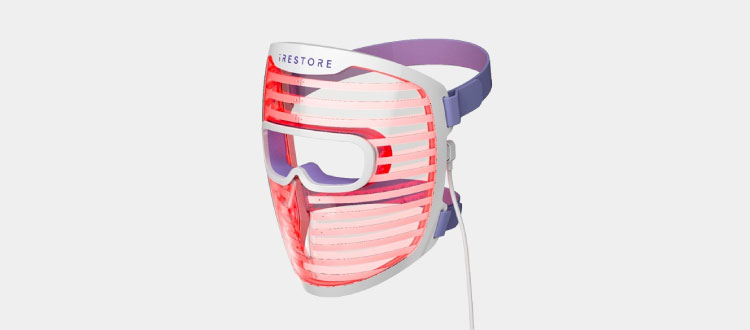
After careful consideration, I have selected iRESTORE Illumina Face Mask as the best red light therapy device for the face. It simply ticks all the boxes for me: from comfortable design to triple (red, near-infrared, and blue) wavelengths, I am confident it offers a well-rounded package, especially at this price range.
While red therapy is often also promoted for potential acne management, it has been less clinically studied for this purpose compared to blue light therapy. iRESTORE combines both of these technologies in one device, so, in my opinion, this is the best choice if acne is one of your concerns.
As noted in the reviews, the mask is lightweight and easy to operate. Moreover, I found many comments from buyers who seem to be satisfied with the results overall.
While the product is covered by a 1-year warranty, you can extend it to 3 years in total for an additional fee. On top of that, you get 100 days to return the product if it’s not what you expected.
2. Omnilux Contour Face — best red light therapy device for comfort
| Type | Red light therapy mask |
| Wavelength(s) | 633 nm (red) and 830 nm (near-infrared) |
| Certifications | FDA-cleared, CE, TGA |
| Price | $395.00 |
| Warranty | 2 years |
| Money-back guarantee | 30 days |
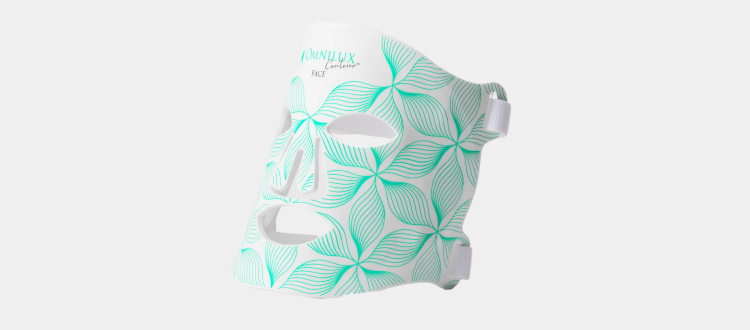
Very close behind iRESTORE, I want to award the Omnilux Contour Face mask. It’s an overall very comfortable and convenient red light therapy mask for the face that’s FDA-cleared and uses commonly researched red and near-infrared wavelengths.
Made from flexible silicone, this mask is lightweight, feels soft on the skin, and doesn’t create uncomfortable pressure points anywhere on your face. So, if you’re worried about Illumina mask’s snug design — the Contour Face is an amazing, more traditional red light therapy mask alternative.
The online reviews are also mostly positive, with many users praising the skin changes they noticed and the mask’s easy setup. At $395.00, it offers good long-term value and may even become an unchangeable part of your skincare routine.
Speaking of skincare, the mask can be used alone, but the brand also suggests using a hyaluronic acid serum that may enhance the results. From my experience, using red light therapy together with hydrating serums may help you notice changes sooner.
3. Megelin Duo-Lux Laser&LED Light Therapy Mask — best face mask targeting most problematic areas
| Type | Red light therapy mask |
| Wavelength(s) | 595 nm, 630 nm, 660 nm (red), 830 nm, 1064 nm (near-infrared) |
| Certifications | FDA-cleared |
| Price | $449.00 |
| Warranty | 1 year |
| Money-back guarantee | 60 days |
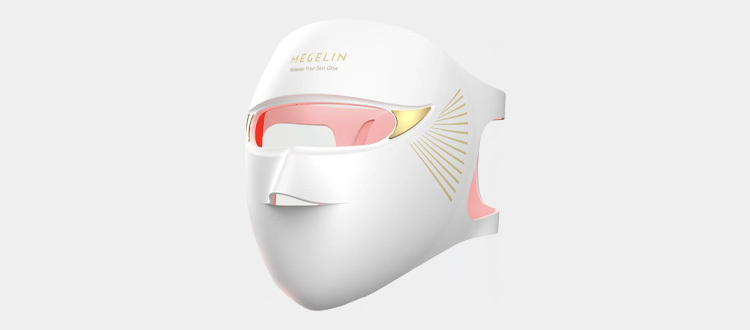
The Megelin Duo-Lux mask may look strange at first glance, but I believe it’s one of the more thoughtfully designed red light therapy masks on the market right now. It’s FDA-cleared and uses five different red and near-infrared wavelengths that may help support deeper skin rejuvenation.
But the most standout feature that earned Megelin the third-spot on my list is that it combines both LEDs and lasers. Not only that but lasers are positioned around areas like the forehead, crow’s feet, and nasolabial folds — most common places for fine lines.
That’s also why the design looks so unusual. It doesn’t just cover your entire face in red light, but directs more focused light where it’s most needed.
As this model is relatively new and sits on the premium end of the price range, there aren’t many user comments online yet. I did come across a few early impressions, with people mentioning positive changes in their skin tone and glow, but there’s still a lack of reports covering longer-term benefits.
4. CurrentBody Skin LED Red Light Therapy Face Mask — best mask for broader potential benefits
| Type | Red light therapy mask |
| Wavelength(s) | 633 nm (red), 830 nm, 1,072 nm (near-infrared) |
| Certifications | FDA-cleared, UKCA registered, CE, PSE |
| Price | $469.99 |
| Warranty | 2 years |
| Money-back guarantee | 60 days |
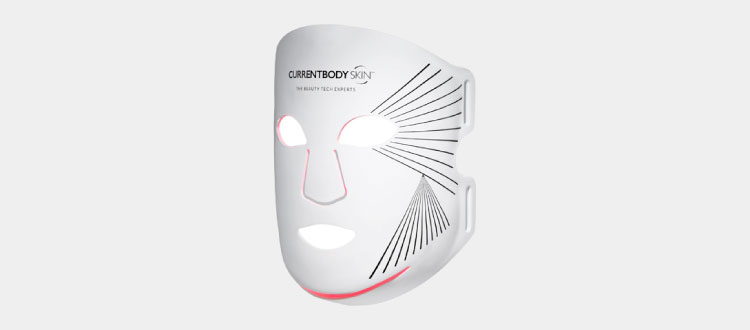
This CurrentBody mask combines three wavelengths in a single device for potentially broader effects. It emits not only one red wavelength but also two near-infrared wavelengths. Commonly less seen in red light therapy devices, 1,072 nm light has been clinically studied for its potential anti-aging effects.
CurrentBody is a brand that invests in research, as this mask has been studied in small company-funded clinical trials that showed improvements in overall skin appearance and a reduction in wrinkles.
The online reviews for this mask are mostly positive, with users praising it for supporting skin softness, brightness, and youthfulness.
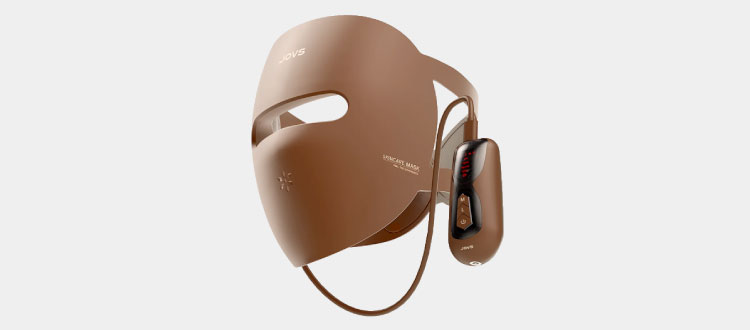
5. JOVS 4D Laser Ant-Aging Therapy Mask — best red light therapy device featuring lasers
| Type | Red light therapy mask |
| Wavelength(s) | 660 nm (red), 850 nm (near-infrared), 940 nm (near-infrared), 1,064 nm (near-infrared) |
| Certifications | FDA-cleared, SGS, CE |
| Price | $699.00 |
| Warranty | 1 year |
| Money-back guarantee | 60 days |
Unlike most competitors, JOVS red light therapy mask features lasers instead of LEDs. Lasers tend to deliver more precise and directional beams, and, according to the brand, penetrate deeper into the skin.
The JOVS mask features several mode plans: M1 for skin comfort and balance, M2 for dullness and uneven tone, and M3 for wrinkle-related improvements.
The customer reviews on the official website are positive, with benefits such as a more glowing complexion being frequently mentioned. Some users reported experiencing problems with their mask's battery, specifically mentioning the need for frequent recharging.
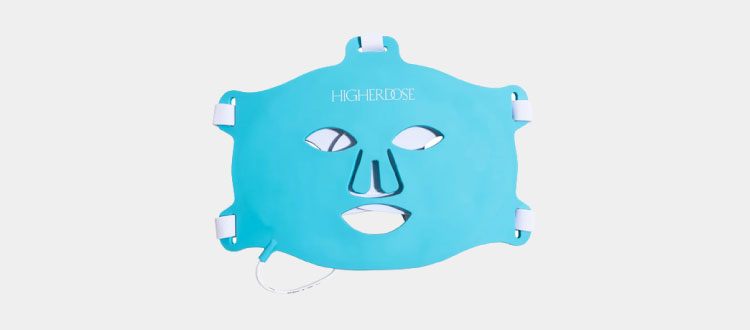
5. HigherDOSE Red Light Face Mask — best battery life
| Type | Red light therapy mask |
| Wavelength(s) | 630 nm (red) and 830 nm (near-infrared) |
| Certifications | FDA-cleared |
| Price | $349.00 |
| Warranty | 1 year |
| Money-back guarantee | 120 days |
To be honest, the HigherDOSE mask doesn’t stand out as much as all the other options on my list. It has a traditional design, keeps things simple, and doesn’t come with any flashy features. Yet, one thing that unexpectedly impressed me was its battery life, which can last for up to ten 10-minute sessions while taking only an hour to recharge.
Also, for those who are on the fence about red light therapy, HigherDOSE offers the longest money-back guarantee from the reviewed products, with 120 days to return the mask when purchased from the official website.
The mask is cordless, meaning you can move freely while using it. However, when I tried the mask myself last year, I found it a bit annoying how it kept on slipping and shifting with almost every movement.
Comparison of the best red light therapy devices for face
| Wavelength(s) | Certifications | Warranty | Money-back guarantee | Price | |
| iRESTORE | 635 nm (red), 830 nm (near-infrared), 415 nm (blue) | IEC, ISO | 1 year (can be extended) | 100 days | $399.00 |
| Omnilux | 633 nm (red) and 830 nm (near-infrared) | FDA-cleared, CE, TGA | 2 years | 30 days | $395.00 |
| Megelin | 595 nm, 630 nm, 660 nm (red) and 830 nm, 1064 nm (near-infrared) | FDA-cleared | 1 year | 60 days | $449.00 |
| CurrentBody | 633 nm (red) and 830 nm, 1,072 nm (near-infrared) | FDA-cleared, UKCA registered, CE, PSE | 2 years | 60 days | $469.99 |
| JOVS | 660 nm (red) and 850 nm, 940 nm, 1,064 nm (near-infrared) | FDA-cleared, SGS, CE | 1 year | 60 days | $699.00 |
| HigherDose | 630 nm (red) and 830 nm (near-infrared) | FDA-cleared | 1 year | 120 days | $349.00 |
What are the benefits of red light therapy for face?
Red and near-infrared light has been studied for several uses. As of now, skin health is among the most well-researched benefits. The main areas where red light therapy may have positive effects are:
- Increase skin’s youthfulness. Red light therapy may have anti-aging benefits, including the reduction of fine lines and wrinkles. This has been noted in several studies on age-related skin changes, such as the depth of crow’s feet.
- Improve skin’s texture and overall appearance. As red light therapy may stimulate collagen, elastin, and hyaluronic production, it may contribute to a firmer, more radiant look.
- Reduction of acne vulgaris. Research suggests that light therapy may help manage inflammation, a potential contributor to breakouts. However, clinical trials on this effect usually also include blue light, as it may have antibacterial properties.
- Support wound healing. Red light therapy may support the healing process by promoting regeneration. Some of the proposed mechanisms are decreased inflammation and increased fibroblast activity.
- Reduce the lesions of oral herpes. Near-infrared light, 1,072 nm in particular, has been studied for herpes simplex and found to be potentially helpful for recovery.
In general, red light therapy is considered a relatively safe, non-invasive beauty treatment. However, we still lack clinical data on red light on cancerous cells, so people with a history of skin cancer should avoid red light therapy.
At-home red light therapy devices are not intended to cure any conditions. If you are unsure if red light therapy is suitable for you, a discussion with a dermatologist is advised.
Red light vs. blue light for face
Both red and blue light therapy may be beneficial for skin health; however, they are associated with different benefits.
Red light is associated with improvements in skin appearance through collagen synthesis. As research indicates, red light may reduce the appearance of wrinkles and fine lines and support wound healing. So, it is usually a preferred choice if you are looking to improve overall skin health.
Blue light is mostly studied for its potential to reduce inflammatory acne lesions. This may be the effect of blue light’s antimicrobial properties. Additionally, compared to conventional treatments such as benzoyl peroxide, blue light therapy may have fewer side effects.
Lasers vs. LEDs: what is better?
Red light therapy devices use either lasers or LEDs to deliver light. When it comes to technical differences, the laser beam is more directional and coherent than what you can expect from an LED light. Moreover, the laser light is more monochromatic, meaning the color it produces is more precise.
Because of these properties, lasers were historically considered the preferred option for red light therapy.
However, research over the past few decades indicates that LEDs can produce comparable biological effects when similar wavelengths and energy doses are used. The same paper indicates that the wavelength and dosage are probably more important than the type of light source used.
How to choose the best red light therapy device for face?
Do not overlook these aspects when selecting a red light therapy device:
- Wavelength(s). Most of the research on skin health benefits has been conducted using red light in the 620–660 nm range and near-infrared light in the 810–850 nm range. A device that offers both may provide broader benefits. Additionally, if you have acne-prone skin, devices that also emit blue light could be considered.
- Certifications. I would strongly recommend choosing a device that has been FDA-cleared. Other certifications, such as CE or TGA, can also provide additional reassurance.
- Warranty and money-back guarantee. Before you plunge into a purchase, read the terms and conditions of the offered warranty and return policies. A money-back guarantee is especially valuable if you are new to red light therapy and want to see results before fully committing.
- Customer reviews. While individual experiences vary, reading through reviews can give you a general sense of how a product performs in real-world use. I paid particular attention to recurring themes, both positive and negative, rather than focusing on any single review.
Bottom line
Red light therapy is one of the emerging non-invasive approaches to supporting skin health, and the research behind it continues to grow.
Just to be fair, if you expect radical changes overnight, red light therapy will be a disappointing endeavor. However, you may find that, with consistent use over time, it may yield noticeable, although subtle, skin improvements.
Whichever device you choose, consistency matters more than the price tag. The best red light therapy device is ultimately the one you will actually use regularly. And as always, if you have specific skin concerns or conditions, a conversation with a dermatologist is the smartest first step.
12 resources
- Photochemical and Photobiological Sciences. Photobiomodulation: lasers vs light emitting diodes?
- Sensors (Basel). Effect of blue light on acne vulgaris: a systematic review.
- Journal of Cosmetic and Laser Therapy. A self-reported clinical trial investigates the efficacy of 1072 nm light as an anti-ageing agent.
- Photomedicine and Laser Surgery. A controlled trial to determine the efficacy of red and near-infrared light treatment in patient satisfaction, reduction of fine lines, wrinkles, skin roughness, and intradermal collagen density increase.
- Skin Research & Technology. Reverse skin aging signs by red light photobiomodulation.
- Photodermatology, Photoimmunology & Photomedicine. Utilization of light-emitting diodes for skin therapy: systematic review and meta-analysis.
- Anais Brasileiros de Dermatologia. Effects of low-power light therapy on wound healing: LASER x LED.
- Photomedicine and Laser Surgery. Effect of low-level laser therapy on inflammatory reactions during wound healing: comparison with meloxicam.
- Lasers in Medical Science. Red-light LED therapy promotes wound regeneration by upregulating COL1A1, COL2A1, VEGF and reducing IL-1β for anti-inflammation.
- Applied and Environmental Microbiology (AEM). Antibacterial activity of blue light against nosocomial wound pathogens growing planktonically and as mature biofilms.
- Lasers in Surgery and Medicine. Light-emitting diodes in dermatology: a systematic review of randomized controlled trials.
- Journal of the American Academy of Dermatology. Low-level red and infrared light increases expression of collagen, elastin, and hyaluronic acid in skin.

Your email will not be published. All fields are required.