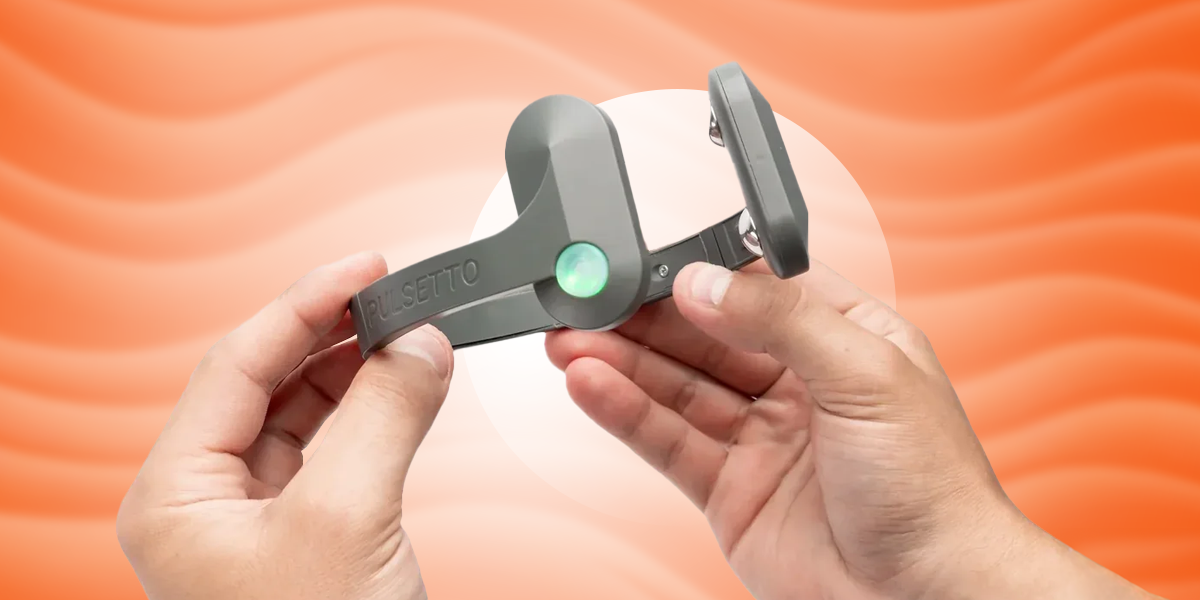
Transcutaneous vagus nerve stimulation (tVNS) is emerging as a science-backed approach to supporting nervous system balance. By non-invasively targeting the vagus nerve — a key communication pathway between the brain and many organs — tVNS may help regulate stress responses, enhance heart rate variability (HRV), and support healthier sleep patterns.
Pulsetto is one of the at-home vagus nerve stimulators designed for this purpose. Worn around the neck, it delivers gentle electrical pulses to potentially trigger the vagus nerve. It is the only bilateral neck-targeting device on the market, meaning it simultaneously stimulates both sides, potentially increasing efficiency.
In this Pulsetto review, I'll be looking at whether it is a good contender in the vagus nerve stimulation market. I'll walk you through what it’s like to use it, how it performs and compares to other similar products, and if it really provides the benefits that have made vagus nerve devices so popular lately.
Support your body’s natural stress response for inner peace and performance.

What is Pulsetto and how does it work?
Pulsetto is a non-invasive hands-free transcutaneous cervical vagus nerve stimulator (tVNS) that’s intended to support stress management, sleep quality, and overall well-being.
It works by delivering mild electrical impulses through the skin of the neck to potentially trigger the vagus nerve, which is responsible for ‘rest and digest’ functions. This may help shift your nervous system away from a stress-driven ‘fight or flight’ state and toward a calmer, more relaxed one. This mechanism of action is receiving more research interest, as a number of clinical trials claim non-invasive vagus nerve stimulation shows promise and may produce measurable physiological effects.
Pulsetto, in particular, was used in a 2025 peer-reviewed study that found it may increase alpha-wave brain activity, associated with a calmer mental mood, and lower arterial blood pressure compared to sham stimulation. However, these effects were noticed after a single use, and this study is still preliminary. Further research is definitely needed to understand the potential benefits.
Besides that, several ongoing and upcoming studies are exploring Pulsetto’s effects on sleep, heart rate variability (HRV), migraine, tinnitus, and other conditions.
How to use Pulsetto?
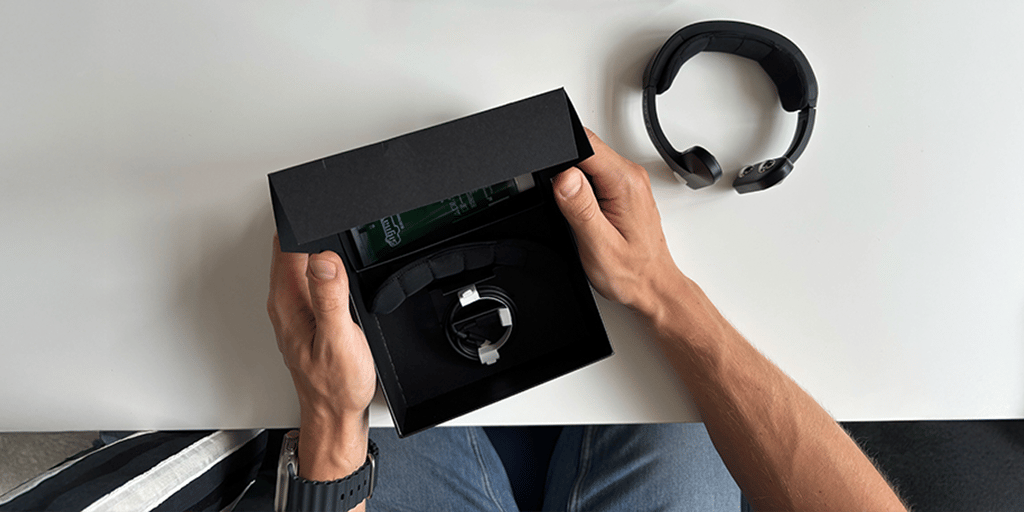
There are a couple of key things to know about the Pulsetto system, including how it works and how to use it. First, Pulsetto is powered by an app you can download to your smartphone from Google Play or the App Store.
Secondly, to use Pulsetto, you'll need to apply electrode gel to the area where the device will be worn — your neck. The good news is that the electrode gel comes with your purchase, so you won't have to worry about that at the start.
This gel is similar to what you would find in ultrasound exams, so many of you may already be familiar with it. Overall, the setup looks pretty straightforward, and you should have no trouble getting the hang of it.
Once you have applied the gel, put the Pulsetto device on your neck and turn it on. Then, you’ll need to pair it with the mobile app. The app features five stimulation programs that are designed to address:
- Anxiety
- Burnout
- Pain
- Sleep
- Stress
After selecting your desired program and frequency level, Pulsetto will begin emitting electric pulses through its electrodes. This will create a slight tingling sensation on your skin. Most users find it comfortable and easy to tolerate, though the intensity can be adjusted to suit your preference.
Pulsetto Lite vs. FIT
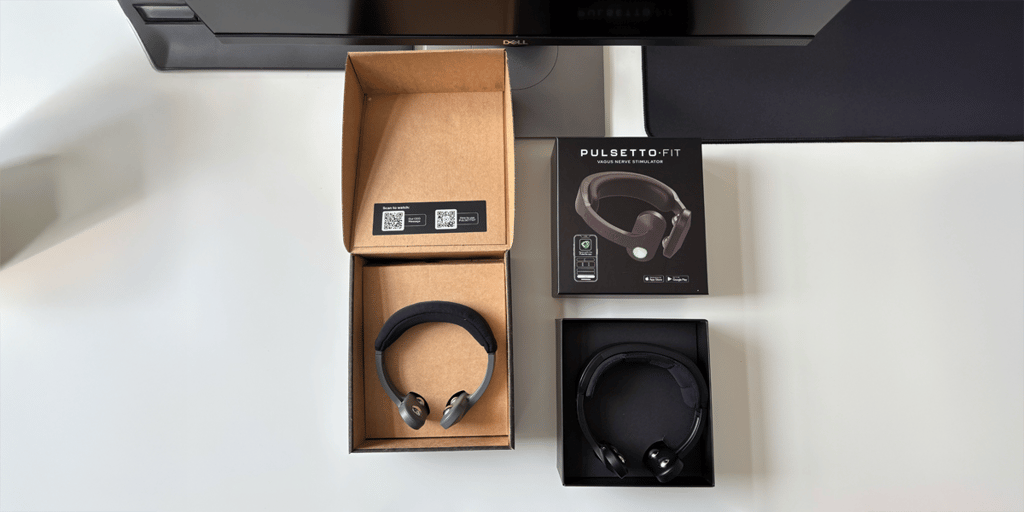
Currently, Pulsetto has two versions: the older Lite and the upgraded FIT. While both devices target stress relief through vagus nerve stimulation, the FIT is a more versatile option.
Although both devices are adjustable, the FIT was specifically redesigned to provide a more comfortable fit for smaller necks. It also introduces an exclusive wave-like stimulation pattern that is more dynamic and engaging. On top of that, the FIT model offers up to 20% longer battery life.
Benefits of Pulsetto
Pulsetto is marketed to help reduce anxiety, relieve stress, promote relaxation, and enhance sleep quality — all benefits that align well with current scientific findings on what tVNS devices may be capable of. Let's look at them one by one.
Reduced anxiety levels
Using Pulsetto or a similar tVNS device to reduce anxiety involves non-invasively stimulating the vagus nerve to enhance the parasympathetic nervous system activity, as well as potentially altering brain functioning or chemistry.
As a result, it is being theorized that you might see your anxiety symptoms reduced, with several studies now supporting this idea. For instance, a 2025 single-blinded randomized controlled trial involving 70 participants found that tVNS was effective in reducing anxiety symptoms and perceived stress compared to sham stimulation. Similarly, a 2025 randomized controlled trial on athletes found that a four-week course of vagus nerve stimulation significantly reduced anxiety, stress, and depression while enhancing confidence.
These findings are encouraging, but keep in mind that individual responses do vary. Most existing studies also focus on auricular (ear-based) rather than cervical (neck-based) stimulation, so further research on cervical tVNS specifically (the type Pulsetto uses) is still needed.
Pain relief
Pulsetto can also be used for pain management. Scientific studies suggest that tVNS can modulate pain perception by stimulating the vagus nerve, which interacts with areas of the brain responsible for pain processing.
This non-invasive technique may help alleviate chronic pain and, in turn, improve the quality of life. However, the extent of relief can vary from person to person, which, again, warrants further research.
Better sleep quality
A growing body of research supports tVNS as a potential tool for improving sleep quality. The non-invasive stimulation of the vagus nerve may influence the parasympathetic nervous system activity, also known as ‘rest and digest,’ which predominates during sleep. This process has the potential to alleviate sleep disorders and improve overall sleep patterns, though continued research is needed to fully grasp the extent of tVNS’s benefits for sleep improvement.
Stress management
Scientific research also suggests that stimulating the vagus nerve may help manage stress levels by influencing the body's stress response system. This is thought to promote relaxation, lower heart rate, and help lessen the negative effects of chronic stress on both physical and mental health.
For example, one study found that cervical transcutaneous vagus nerve stimulation may improve cognitive performance, alertness, and reduce fatigue in individuals experiencing stress due to sleep deprivation. A more recent clinical trial on elite athletes demonstrated that a four-week VNS program significantly reduced their perceived stress, anxiety, and depression.

Tips and tricks for best results
Using Pulsetto is marketed as incredibly easy, and I agree — it really does seem straightforward. There’s no special know-how required aside from pairing the device with the app on your phone. To make your experience even smoother, I have put together this step-by-step guide to help you get started with Pulsetto:
- Power on. Turn on the device by pressing the button.
- Sync device. Pair the device with the Pulsetto app on your smartphone.
- Apply gel. Generously apply electrode gel to your neck. Focus on the device's pulse points for optimal skin contact.
- Position the device. Place the device around your neck. Make sure it sits comfortably.
- Select a mode. Open the app and choose from the five available modes — stress, worry, sleep, burnout, or pain management.
- Enjoy. While Pulsetto is working try to relax and enjoy what generally should feel like a gentle, light vibration and tingling sensation in your neck area.
To get the most out of Pulsetto, think about adding it to your daily routine or using it whenever you are in need of some stress relief. The makers recommend regular use for optimal results but feel free to adjust how often you use it based on what works for you.
How much does Pulsetto cost and where to buy it?
When you look at the most popular vagus nerve stimulation devices out there on the market, Pulsetto is notable not just because of its distinctive design but also because of its price tag — it's actually one of the lowest-priced options available.
Currently, with the company’s promotional offer, the Pulsetto Lite is available for $242.00. This deal includes a 14-day free trial of the premium version of the Pulsetto app, but you can opt out and cancel at any time.
Pulsetto FIT, the newest device version, is priced at $269.00 after the discount. Just like the Lite model, the deal includes a 14-day free trial of the Pulsetto app.
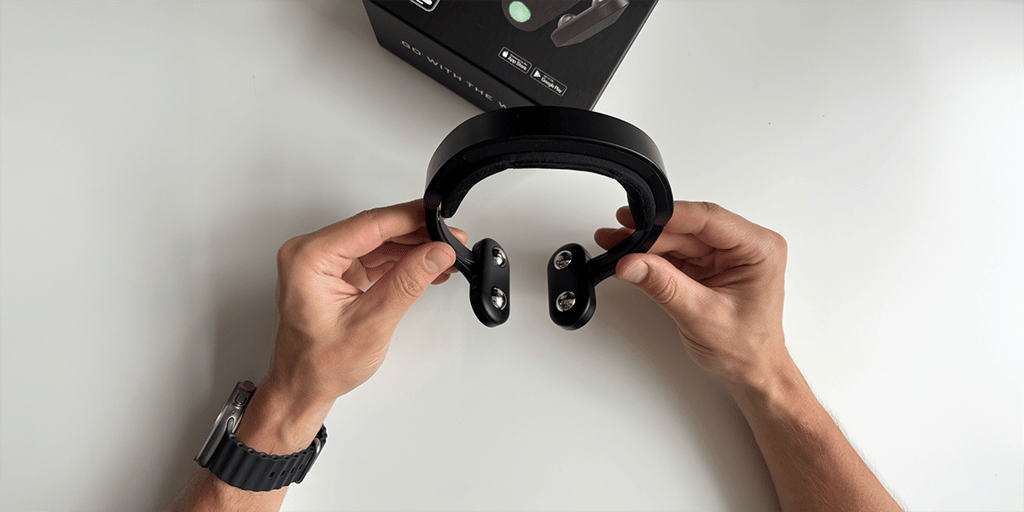
If you want to check out the Pulsetto system for yourself or if you decide to make a purchase, simply visit the official Pulsetto website, where the buying process is designed to be seamless. While all the product information will be available there, I have also outlined the key purchasing details for you in the table below.
| Starting price | Money-back guarantee | Warranty | Shipping | What’s included |
| $242.00 | 30-day | 2-year | Free worldwide | The Pulsetto device, lifetime access to the free version of the Pulsetto app, a 14-day trial of the premium app, a tube of gel, a USB-C charging cable, and a user guide |
Comparison: Pulsetto vs. other popular alternatives
Now, if you are shopping around for options beyond the Pulsetto device or simply want to weigh it against alternative vagus nerve stimulators, here are some other highly rated devices:
Nuropod is a transcutaneous auricular vagus nerve stimulation (taVNS) device that has made strides toward scientific validation, as it has been evaluated in some clinical trials. It’s believed to have therapeutic potential for certain mental health issues and long-term COVID-19 symptoms using earpiece-based stimulation. For a more in-depth comparison of Pulsetto with Nurosym, check out our dedicated article.
Then there's Apollo, which, while not technically a vagus nerve stimulator, is a smart wearable designed to be worn as a bracelet. It works by creating vibrations as a form of non-invasive touch therapy. For a full comparison, check out our Pulsetto vs. Apollo comparison, where we break down all the details between the two.
Another popular option is the Hoolest VeRelief Prime, a multifunctional tVNS device that targets not only the vagus nerve but also the median nerve in your wrist and the trigeminal nerve in your forehead.
There's also the Neuvana Xen VNS device, which seems to truly nail it in terms of portability and practicality. Supporting three modes — ambient, sensations, and sync — it also includes an integrated music listening feature. The Xen unit is easy to carry around and designed to work with special earbuds. This means the device can be used even while on the move, walking, or engaging in light activities like stretching.
For more insights on these devices, be sure to read our dedicated article that covers all the essentials and discusses what sets them apart.
Let’s now look how they stack up side by side:
| Device | Price | Technology | Features | Money-back guarantee | Warranty | Potential benefits for | Our review |
| Pulsetto | $242.00 | tcVNS | Neck wearable | 30-day | 2-year | Anxiety, burnout, pain management, sleep, and stress | N/A |
| Nuropod | $810.00 | taVNS | Works through an earpiece | 30-day | 2-year | Anxiety, depression, stress, and fatigue | Nuropod review |
| Apollo | $349.00 | Transcutaneous vibratory stimulation through silent vibrations | Worn as a bracelet, can be clipped to clothes | 30-day | 1-year | Stress and sleep | N/A |
| Hoolest | $159.20 | tVNS | Targets multiple nerves | 60-day | 1-year | Relaxation and mood | Hoolest review |
| Neuvana | $499.00 | taVNS | Easy to carry around | 30-day | 1-year | Stress, sleep, mood, and concentration | N/A |
Why we chose to review Pulsetto
Pulsetto is one of the non-invasive vagus nerve stimulators that's buzzing in today’s health scene. What prompted me to review Pulsetto in more detail, beyond the growing interest in these at-home solutions, was its standout features: a design that's like no other and a price that's refreshingly low.
Following our standard practice of reviewing other VNS devices, I, alongside the WellnessPulse Research team, spent 30-some hours on research. Here’s how that time was spent:
- 20 hours reviewing the scientific literature and clinical trial data
- 10 hours comparing product features and pricing against other vagus nerve stimulation (VNS) devices
- 2 hours assessing the unboxing experience and first impressions
- 2 hours analyzing customer reviews from platforms like Trustpilot and Reddit
And here's the evaluation criteria that we paid the most attention to while evaluating Pulsetto:
| Scientific backing | Customer input | Head-to-head comparison | Design |
| Looked at how well Pulsetto’s proposed benefits stack up against the latest research on non-invasive vagus nerve stimulation | Reviewed what real users are saying to get a sense of how the device performs in actual use | Matched up features and price against other vagus nerve stimulation devices | Looked into whether the device design is comfortable, easy to use, and whether it will be a good fit for most people |
Our intention with this review was to provide you with a transparent view of Pulsetto — to help you figure out if it's a good match for what you may be looking for.






Your well-being is our top priority. Our team of contributing experts ensures that you receive accurate, safe, and up-to-date wellness information. Get an inside look at our thorough testing framework.
Final verdict: is Pulsetto worth it?
After taking a close look at what the Pulsetto device has to offer, considering both the science behind it and my hands-on experience with the device, here are my final reflections, highlighting both the positive and negative takeaways I gathered.
What I liked most about Pulsetto
What really stood out to me about the Pulsetto is the increasing research surrounding it. For example, one study examined its effects on brain waves and systolic blood pressure, indicating its potential to promote a more relaxed state. While other studies are either ongoing or planned, we should soon see more data on Pulsetto for various potential benefits, such as sleep support.
Moreover, I found Pulsetto particularly interesting because it is a bilateral device. Unlike other neck-worn devices that stimulate one side of the vagus nerve at a time, Pulsetto engages both branches simultaneously for potentially better outcomes. Currently, it is the only device on the market that offers this dual stimulation.
I also liked adjustable stimulation parameters, which let you customize the intensity and frequency to suit your preferences. Additionally, it is one of the lowest-priced vagus nerve stimulators compared to similar, well-regarded devices available on the market. It’s also FCC-certified, which means it emits radiofrequency radiation at safe levels. The unique look and feel of the device are definitely appealing, too.
The company’s customer service does seem supportive, and the 30-day money-back guarantee that the device comes with only adds to its appeal.
To me, Pulsetto is one of those options that delivers both quality and performance like the best alternatives out there — only it does so at a budget-friendly price. So in the end, whether you are just looking into vagus nerve stimulation or have been using a similar device for a while, Pulsetto seems like a solid choice that’s at least worth considering.
What I didn’t like as much about Pulsetto
Now, on the flip side, there are a few things that I didn’t like as much. For starters, Pulsetto requires a continuous supply of electrode gel, which might be a bit inconvenient for some, including myself. It’s also not really suitable for use during extensive movement, like when you are out walking.
I also think that the design of the older version might be problematic for some people. See, I can share from our team's experience that the device's size wasn't a good fit for everyone. Some of our team members with slender necks found it to be too large, which caused it not to sit properly. And so, in these cases, the points where the device rests on the neck might not maintain good contact, which could potentially impact its performance. This problem, however, does not apply to the more expensive version of the device, Pulsetto FIT, as the upgraded model is made specifically for smaller necks.
Another downside is that much of the scientific evidence supporting the proposed benefits of Pulsetto comes from studies that focus on auricular vagus nerve stimulation — in other words, stimulating the ear rather than the neck. However, Pulsetto is used in several ongoing studies and has additional planned ones, so this may change in the future.
Besides, no studies to date have specifically examined the Pulsetto device itself. This means that scientific backing is one area where this product requires further work.
FAQ
Is Pulsetto legit?
Yes, Pulsetto is a reputable vagus nerve stimulator. It uses tVNS technology, which has shown potential benefits for stress, sleep, and pain management. However, the specific effectiveness of Pulsetto still needs more research and clinical trials to fully establish its claims.
Who should not use Pulsetto?
Pulsetto is generally considered safe for healthy people since it's a non-invasive VNS device. Still, if you have any existing health issues or worries, it’s imperative that you consult with a healthcare provider before giving it a try.
Do vagus nerve stimulators work?
It’s a preliminary yes, but that depends on the type. Vagus nerve stimulators are typically categorized into two types — invasive and non-invasive. Pulsetto falls into the latter category, which means it doesn’t require surgical implantation. While invasive vagus nerve stimulators do have more scientific backing, non-invasive options are now becoming popular alternatives and have already shown some promise.
Does Pulsetto work without a subscription?
Yes, it does. Pulsetto can be used without a subscription. The device comes with lifetime access to the free version of the Pulsetto app. This will allow you to use its basic features without any additional cost. Now, if you want to access the premium features of the app, you'll need to opt for the subscription.
13 resources
- American Journal of Physiology-Regulatory, Integrative and Comparative Physiology. Acute transcutaneous cervical but not auricular vagus nerve stimulation increases alpha wave brain activity and lowers arterial blood pressure.
- Biological Psychology. Effects of transcutaneous vagus nerve stimulation on subthreshold affective symptoms and perceived stress: findings from a single-blinded randomized trial in community-dwelling adults.
- Applied Sciences. The effects of vagus nerve stimulation on stress, competitive anxiety, and depression in elite shooters: randomized controlled trial.
- Neuroscience & Biobehavioral Reviews. A century of research on neuromodulation interventions: a scientometric analysis of trends and knowledge maps.
- Communications Biology volume. Cervical transcutaneous vagal nerve stimulation (ctVNS) improves human cognitive performance under sleep deprivation stress.
- Journal of Personalized Medicine. Application of noninvasive vagal nerve stimulation to stress-related psychiatric disorders.
- Evidence-Based Complementary and Alternative Medicine. Effect of transcutaneous vagus nerve stimulation at auricular concha for insomnia: a randomized clinical trial.
- Cephalalgia. Non-invasive vagus nerve stimulation for PREVention and acute treatment of chronic cluster headache (PREVA): a randomised controlled study.
- Neuroimmunomodulation. Role of vagus nerve stimulation in the treatment of chronic pain.
- Applied Sciences. The effects of vagus nerve stimulation on stress, competitive anxiety, and depression in elite shooters: randomized controlled trial.
- Neurogastroenterology & Motility. Brain effect of transcutaneous vagal nerve stimulation: a meta-analysis of neuroimaging evidence.
- PAIN Reports. Transcutaneous vagus nerve stimulation effects on chronic pain: systematic review and meta-analysis.
- JAMA Network Open. Transcutaneous auricular vagus nerve stimulation for chronic insomnia disorder.
Article history







Your email will not be published. All fields are required.