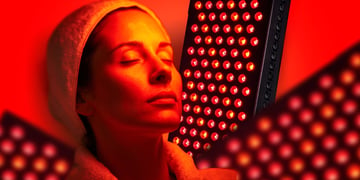
Red light therapy is becoming a staple in wellness routines, and it's not just hype. Emerging studies point out several potential benefits, such as skin rejuvenation, pain relief, and improved recovery. No wonder we’re spoiled for choice — more and more brands are releasing their own red light therapy devices.
Choosing a product doesn’t have to be tricky. Let me guide you through some of the best red light therapy panels in 2026, explain the differences between them, and help you decide which fits your needs.
Best red light therapy panels: a shortlist
- Overall best red light panel: Bon Charge
- Best for desktop: ATaPa
- Best portable: Vellgus
- Best feature-rich: Infraredi
- Best affordable: Hooga
Why did I choose Bon Charge to be the best red light therapy panel?
Bon Charge simply ticks all of the boxes.
At $849.15, this is not the cheapest product on the market, but it is also quite large and has an impressive array of certifications, including FDA registration, CE, FCC, and others. As seen from customer reviews, Bon Charge offers good value for money, with most reviewers satisfied with their red light therapy products.
This product also offers both red and near-infrared wavelengths, potentially providing broader benefits. Other tech specs, such as total LED amount (200) and irradiance (>142 mW/cm2), are also impressive, making Bon Charge an overall good pick.
Of course, Bon Charge is not the only panel, and it is best to explore before committing to a purchase. The best red light therapy panel will depend on your preferences, needs, and lifestyle. Opt for a product that is easy to incorporate into your routine, as consistency is key.
Best red light therapy panels: overview
In this section, I share the essential details about my selected best red light therapy panels.
1. Bon Charge — overall top choice

Made by Bon Charge, a wellness company founded back in 2016, Max is a full-body red light therapy panel.
Being oriented to holistic wellness products, Bon Charge is a well-reviewed brand, averaging 4.5 stars out of 5 on Trustpilot. Reviewers highlight great customer support and are, in general, satisfied with the products.
As per the brand, this panel emits only low levels of electromagnetic field (EMF). For consumers, this may indicate a reduced risk of certain EMF-related adverse effects, such as headaches.
Key specifications
- Wavelengths: 660 nm (red) and 850 nm (near-infrared)
- Irradiance: >142 mW/cm2
- LEDs: 200
- Size: 35.8” x 8.37” x 2.56” (large)
- Weight: 17.6 lbs
- Certifications: CE, FCC, SAA, FDA-registered, ARTG
Who is it for?
Bon Charge offers a well-rounded solution for those looking to include red light therapy in their routines. Because this product is large, it’s suitable for those looking for near full-body coverage in a single session.
My verdict
If you are looking to target larger areas, Bon Charge may be worth the investment. Compared to other products on the market, it also has a wide range of certifications that speak about the company’s high safety and quality measures.
Bon Charge provides good value for money, priced at $849.15. If you change your mind, you have 30 days to ask for a refund. The light panel is also covered by a 1-year warranty.
2. ATaPa — best red light panel for desktop usage
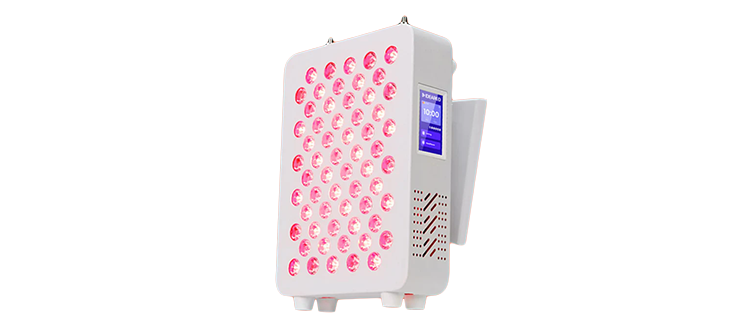
Athena by ATaPa is a standing red light panel that can be easily incorporated into your workspace. With a convenient touch screen, timer, and built-in cooling fans, the product also offers a great user experience.
While the brand does not have a dedicated Trustpilot profile, it has been mentioned on Reddit for its high irradiance and multiple plug support.
The main drawback is the lack of information about certifications, as the official website does not specify which ones are held. On the other hand, the brand does claim that this device is medical grade.
Key specifications
- Wavelengths: 630 nm (red), 660 nm (red), 810 nm (near-infrared), 830 nm (near-infrared), 850 nm (near-infrared)
- Irradiance: >212 mW/cm2
- LEDs: 60
- Size: 11.2” x 8.2” x 2.5” (medium)
- Weight: Does not specify
- Certifications: No information
Who is it for?
Athena may be an ideal choice for those seeking red light therapy while using their computer. Due to its smaller size and built-in stand, it can be placed on your desktop.
My verdict
Athena stands as a suitable choice for red light panels due to its high irradiance and five wavelengths.
At $780.00, Athena by ATaPa is surely a more expensive option. However, it is also covered by a 2-year warranty. That said, buyers should note that the brand does not offer any money-back guarantee at the moment.
3. Vellgus — best portable red light therapy panel
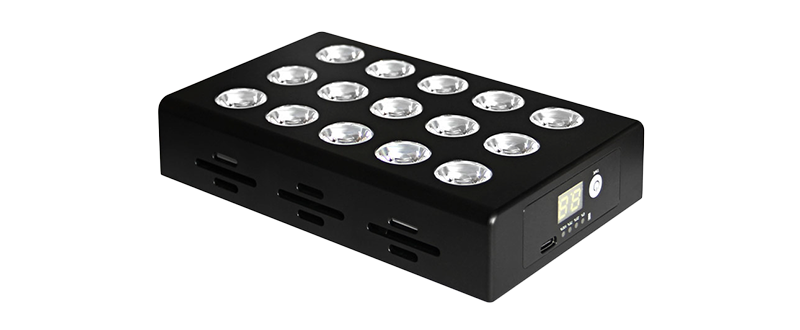
Weighing only 1.2 lbs, Vellgus Mini is a go-to choice for those who need portability. Add it to your gym bag or take it with you on vacation — Vellgus helps you stay consistent with your red light therapy sessions even when you’re busy.
Right now, Vellgus does not have many customer reviews online, but the brand has been mentioned by some Reddit users for its lower price and high irradiance.
Key specifications
- Wavelengths: 660 nm (red) and 850 nm (near-infrared)
- Irradiance: >219 mW/cm2
- LEDs: 15
- Size: 3.74” x 1.18” x 5.9” (small)
- Weight: 1.2 lbs
- Certifications: FDA, CE, RoHS, FCC
Who is it for?
Being the lightest product on the list, Vellgus Mini may be a valuable option for frequent travelers. Due to its size, Vellgus is also recommended for targeted applications such as knee pain.
My verdict
If you are looking for a product offering high irradiance without breaking the bank, consider Vellgus. Although its small size might not be sufficient for some people, it is a nice device to have on the go.
Currently, Vellgus Mini is priced at $339.00. The product is covered by a 1-year warranty and a 30-day money-back guarantee.
4. Infraredi — best feature-rich red light therapy panel

Flex Max by Infraredi is a versatile red light therapy product. It includes a wide array of options, including several presets: skin health, joint pain, muscle recovery, sleep, and pets. With their Dimming+ mode, you can use this panel to set the mood for sleep and relaxation.
Customer reviews regarding Infraredi are rather scarce at the moment. Their Trustpilot averages 3.7 stars out of 5, but it’s based on only 130 reviews. While reviewers do express satisfaction with the functionality of the Infraredi products, some raise concerns about durability.
Buyers should be aware that there isn’t much information about certifications on Infraredi’s official website. While it does mention that its devices are FDA-registered, Infraredi doesn’t specify which product holds this registration.
Key specifications
- Wavelengths: 630 nm (red), 660 nm (red), 810 nm (near-infrared), 830 nm (near-infrared), 850 nm (near-infrared)
- Irradiance: >200 mW/cm2
- LEDs: 240
- Size: 39” x 8” x 2.5” (large)
- Weight: 15.8 lbs
- Certifications: FDA-registered
Who is it for?
Infraredi is designed for individuals seeking a versatile, half-body red light therapy device that offers advanced features, including customizable presets and multi-wavelength technology.
It may appeal to those interested in using light therapy to reduce inflammation, relieve pain, and improve skin health.
My verdict
Infraredi Flex Max stands out for its advanced technology, customizable presets, and high irradiance, offering a wide range of red light therapy options.
Priced from $949.00, Infraredi Flex Max comes with a 60-day refund policy and a 3-year warranty.
5. Hooga — best budget-friendly red light therapy panel

Made with a built-in stand, Hooga HG300 offers a hands-free red light therapy experience. Being a more affordable option than other items on the list, it is a valuable option if you are on a stricter budget.
When it comes to customer reviews, Hooga doesn’t have many as of now; nonetheless, their Trustpilot averages 4 stars out of 5.
Due to lower irradiance, however, you might need to opt for longer or more frequent sessions. Moreover, there is no information regarding certifications on the official Hooga website.
Key specifications
- Wavelengths: 660 nm (red) and 850 nm (near-infrared)
- Irradiance: >73 mW/cm2 at 6”
- LEDs: 60
- Size: 12.2” x 8.2” x 2.5” (medium)
- Weight: 6 lbs
- Certifications: No information
Who is it for?
Hooga, being the cheapest product on the list, may be an attractive option for those who are looking for a budget-friendly product. Due to its small size, this product is suitable for targeted sessions. While relatively portable, Hooga is not as lightweight as Vellgus, thus, perhaps not the most suitable option for travelers.
My verdict
If you are looking for a smaller and more affordable product, Hooga may be a suitable choice.
As of now, the product is priced at $199.00 and has a 60-day money-back guarantee. For further peace of mind, Hooga offers a 3-year warranty.
How did I choose the best red light therapy panels?
I based my list on the following criteria:
- Customer reviews. It is easy to miss crucial details without a larger sample of reviews; thus, I dedicated a significant portion of my reviewing process to reading external sources such as Trustpilot and Reddit.
- Price. This list includes both high-end priced products and more affordable options; however, I chose only those red light panels that offer good value for the buck. It is obvious that larger panels will cost more, so I didn’t eliminate products that are higher in price.
- Certifications. In the red light therapy market, certifications add a layer of trust. I analyzed the official websites to find information regarding this.
- Wavelengths. Having not only red light wavelengths but also near-infrared may cover a broader range of potential benefits. All the selected products emit at least two wavelengths.
Comparing the best red light therapy panels
| Brand | Wavelength(s) | Size | LED count | Irradiance | Certifications | Price |
| Bon Charge | 660 nm (red light) and 850 nm (near-infrared light) | Large ( 35.8” x 8.37” x 2.56”) | 200 | >142 mW/cm2 | CE, FCC, SAA, FDA-registered, ARTG | $849.15 |
| ATaPa | 630 nm (red), 660 nm (red), 810 nm (near-infrared), 830 nm (near-infrared), 850 nm (near-infrared) | Medium (11.2” x 8.2” x 2.5” inches | 60 | >212 mW/cm2 | N/A | $780.00 |
| Vellgus | 660 nm (red) and 850 nm (near-infrared) | Small (3.74” x 1.18” x 5.9”) | 15 | >219 mW/cm2 | FDA-registered, CE, RoHS, FCC | $339.00 |
| Infraredi | 630 nm (red), 660 nm (red), 810 nm (near-infrared), 830 nm (near-infrared), 850 nm (near-infrared) | Large (39” x 8” x 2.5”) | 240 | >200 mW/cm2 | FDA-registered | $949.00 |
| Hooga | 660 nm (red) and 850 nm (near-infrared) | Medium (12.2” x 8.2” x 2.5”) | 60 | >73 mW/cm2 | N/A | $199.00 |
Which is better: red or near-infrared light therapy?
A subset of infrared light includes near-infrared light (NIR), which is often used in red light therapy devices. Here, I compare the difference between the two light wavelength ranges used in red light therapy to help you decide which type suits your personal needs.
| Red light | Near-infrared (NIR) light | |
| Wavelengths* | 600–700 nm | 780–3,000 nm |
| Penetration depth | Superficial skin layers | Deeper tissues |
| Uses | Surface-level concerns, such as wrinkles | Deeper-level tissue issues, such as joint pain |
| Generates heat | No | Yes |
*The exact wavelengths vary depending on the source. I used the information provided in ISO:20473.
What are the benefits of red light therapy panels?
With so many alternative devices for at-home red light therapy, panels stand out for several reasons.
- Full-body coverage. Because some of the panels are larger, they are chosen over alternatives to cover more body area in one session.
- Versatility. Panels usually can be used for a wide range of potential benefits, such as skin health support or pain management. This contrasts with more specialized devices, such as masks or hats.
- Hands-free sessions. Unlike alternatives that require holding and manual movement, some panels can be operated hands-free. Simply sit or stand next to the device during the session — you can even habit-stack it in your established routines, such as exercise, meditation, or working on your laptop.
- More powerful. Usually, panels are more powerful compared to masks, featuring higher irradiance. This means that you might need shorter or less frequent sessions.
Red light therapy benefits
It is proposed that specific wavelengths of red light may penetrate the skin and stimulate various cellular processes. In turn, this may bring these benefits:
- Skin rejuvenation. Red light therapy may be effective in promoting collagen production, reducing wrinkles, and improving overall skin tone.
- Pain management. Red light panels are also often used for managing chronic and acute pain. The near-infrared wavelengths usually penetrate deeper into the body, which may help reduce inflammation and promote cellular repair.
- Improved athletic performance. Athletes may benefit from faster muscle recovery and reduced inflammation post-workout.
By delivering targeted light therapy in an efficient manner, these panels may offer a versatile and non-invasive approach to enhancing your well-being.
Expert opinion
Dominyka Sitavičiūtė, a WellnessPulse researcher with a BSc in Pharmacology and MSc in MedTech Innovation and Entrepreneurship, provided her comments about the emerging technology of red light therapy panels. She highlighted the devices’ broad appeal in the photobiomodulation market, noting their versatility in various use cases. “Red light panels stand out because they offer a wide range of applications, from enhancing skin appearance to relieving pain and accelerating muscle recovery,” she explained.

Sitavičiūtė emphasized the importance of FDA clearance when selecting a panel. “FDA clearance indicates that the device is generally recognized as safe and effective. Given the high cost of many panels, it’s reassuring to know they meet regulatory requirements,” the researcher said. However, she warned against misleading claims. Some brands may advertise their devices as ‘FDA-approved,’ which can be deceptive. Red light therapy devices, especially for home use, are typically classified as class II medical devices, which require FDA certification but not approval.
How often should you do red light therapy?
As of now, there are no established guidelines on how often you should use red light therapy devices.
It is best to follow the manufacturer's instructions for your device. This is particularly true because products on the market vary, meaning they may use different wavelengths, irradiance levels, and other specs.
More isn’t always better, so give your body time to recover between sessions. If you’re ever in doubt, consult with a healthcare professional to find the right balance for your needs.
Is it better to do red light therapy in the morning or at night?
At the moment, we lack studies on red light and circadian rhythms. However, red light should not negatively affect melatonin as blue light does. This means it should be fine to use red light before bedtime, especially if you are using it instead of blue light.
Moreover, some early findings suggest that red light therapy may be beneficial for sleep, making it a suitable option for evening use. However, we still need more studies to confirm this.
Bottom line
If you decide to purchase a red light therapy panel, there are plenty of options to explore. I would advise comparing the products before the purchase, as they may suit different needs.
Larger panels, such as Bon Charge, offer more versatility, while smaller ones, like Vallgus, may be more suitable if portability is a priority.
In the end, the best red light therapy panel will be the one that suits your lifestyle. Opt for consistency for the most results.
FAQ
How long does it take to see results from red light therapy?
It depends. Results from red light therapy may start to appear after 4–6 weeks of consistent use. Some may notice improvements in skin texture, reduced inflammation, or pain relief sooner. Factors like treatment frequency, skin type, and device quality can influence how quickly you see noticeable changes.
Do red light therapy panels really work?
Yes, as per emerging research, red light therapy may have certain benefits. However, you should be realistic about them, as not all the proposed benefits have been proven, and most of the ones that have been studied are still in the early stages of research.
Does cheap red light therapy work?
Yes. Cheap red light therapy can work, but with some limitations. While budget devices may offer basic benefits for skin and wellness, they often have lower power output and smaller coverage areas than high-end devices.
3 resources
- Frontiers in Physiology. The influence of blue light on sleep, performance and wellbeing in young adults: a systematic review.
- Evidence-based Complementary and Alternative Medicine. Efficacy of acupoints dual-frequency low-level laser therapy on knee osteoarthritis.
- Journal of Athletic Training. Red light and the sleep quality and endurance performance of Chinese female basketball players.

Your email will not be published. All fields are required.